CURRENT RESEARCH
Environmental Justice and Sacred Fungi in the Sierra Mazateca
OAXACA, MEXICO
Supported by the Eco Impact Award, 2026–2027, Georgetown University Earth Commons
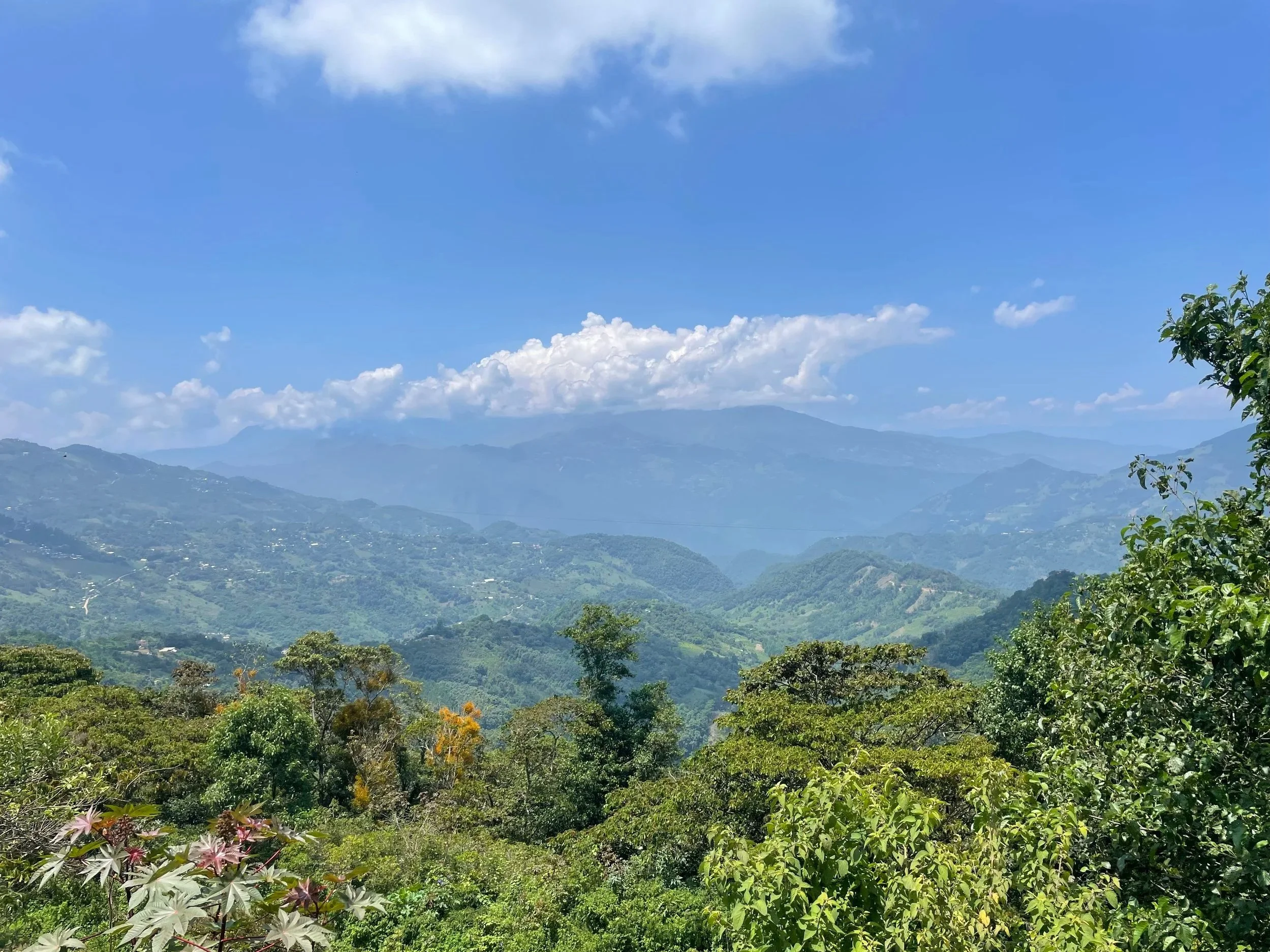
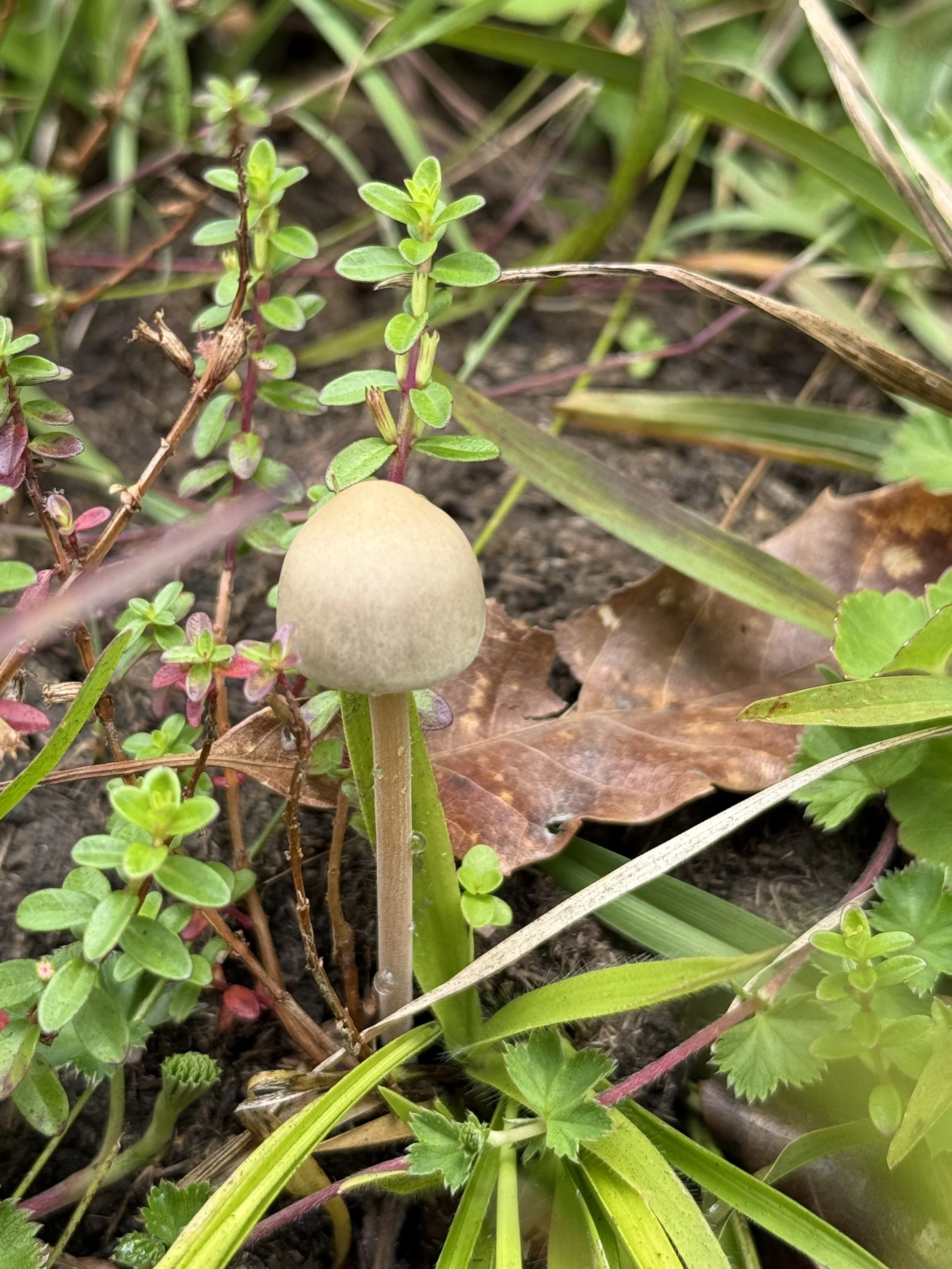
In the Sierra Mazateca of Oaxaca, the Niños Santos rise from a territory marked by colonial histories of agriculture, land conversion, and extraction. Even here, these sacred mushrooms emerge through relations of care and respect that connect the land, the spirits, the ancestors, and the Mazatec community.
This sacred world now faces a deepening environmental crisis. Climate change disrupts the natural rhythms by which mushrooms return with the seasons. Colonial agriculture and its contemporary afterlives have reorganized land around production and extraction rather than reciprocity. Agrochemical contamination and changing land-use regimes further alter the fragile conditions through which sacred fungi live.
At the same time, the global psychedelic economy converts psilocybin into a commodity for clinics, retreats, tourism, and wellness markets. The result is a new extractive frontier in which the mushrooms are removed from the worlds that sustain them.
This research project begins in the places where sacred mushrooms emerge: pastures, derrumbes, dense forests, sugarcane plantations, abandoned trapiches, and sites that have become almost unreachable. It begins equally with the Mazatec people who continue to care for the mushrooms as sacred beings.
Through collaborative fieldwork, the project follows the changing lives of sacred fungi and the transmission of traditional medical and ecospiritual knowledge across generations. It attends to how transformations in the landscape are felt, remembered, and understood, tracing the historical changes and continuities through which ecological and social justice become inseparable.
Environmental Justice and the Ecospiritual future of Sacred Fungi in the Sierra Mazateca
En la Sierra Mazateca de Oaxaca, los Niños Santos brotan en un territorio marcado por historias coloniales de agricultura, transformación del uso de la tierra y extracción. La vida de estos hongos sagrados está entretejida con relaciones de cuidado y respeto que vinculan la tierra, los espíritus, los antepasados y las comunidades mazatecas.
Este mundo sagrado atraviesa hoy una crisis ambiental cada vez más profunda. El cambio climático altera los ciclos estacionales de los que depende el brote de los hongos. La agricultura colonial y sus continuidades contemporáneas han reorganizado el territorio según imperativos de producción y extracción, quebrantando las relaciones de reciprocidad que lo sostienen. La contaminación por agroquímicos y los cambios en el uso de la tierra deterioran aún más las delicadas condiciones ecológicas en las que viven los hongos sagrados.
Al mismo tiempo, la economía psicodélica global convierte la psilocibina en una mercancía destinada a clínicas, retiros, circuitos turísticos y mercados del bienestar. Surge así una nueva frontera extractiva en la que los hongos, desarraigados de los territorios y de los mundos de relaciones que los sostienen.
La investigación parte de los lugares donde brotan los hongos sagrados: potreros, derrumbes, bosques densos, cañaverales, trapiches abandonados y parajes que se han vuelto casi inaccesibles. Parte también de las mazatecas y los mazatecos que continúan cuidando y respetando a los hongos como seres sagrados.
Mediante un trabajo de campo colaborativo, el proyecto sigue las transformaciones que atraviesan la vida de los hongos sagrados y la transmisión de los saberes médicos tradicionales y ecoespirituales de generación en generación. Atiende a la manera en que los cambios del paisaje se sienten, se recuerdan y se comprenden, y reconstruye los procesos históricos que han hecho de la justicia ecológica y la justicia social dimensiones inseparables de una misma lucha.
Justicia ambiental y futuros ecospirituales de los hongos sagrados en la Sierra Mazateca
SITJUAN´TJE, T’ASE NANGUINA, XI FÍSÁ T’ASE KJUANDALE NDI XI TJO YA NDELE CHOTA NAXI NÍ
Ya nde naxi nanda chota naxin ní, xí nchani naxinxe je ndi xitjo majcha nde jñani, kis’e ngo kjoaensen xi tjase xo’jmi jt’e , je kjoabinachonle ndi xitjo yá yákao nganiole xonde ngo kjoa nikuinda , ngo kaoense jñani kjoajkóson tjinle nangui , je chikon, kao chota jchinga xi xakatio ngas’a.
nga kuasin sikuida kua chanxkoa kao ta’se ndena xi xakatio chona titjonna, t’ase kjoandale ndi xi tjo,
xi tjiot’a ndena , koasin sikuinda me xi tjii indenna
kjoanda xi , je nde kjoaxko tokon je, tifaa ngo kajuañaen xi nio xé, t’ase nanguii, xi níósé sá tifí nga tifaentjaeya ndua, nga ticha nganionle sonde nga ticha xi majcha
je ndua tisikajentjaeya ngaiole sonde nga xin ti mani xojmi njte, joni ndi xi tjo, nga je ticha, ndae je tjiosinkjaentjaeya jo sin kuentje xojmi koa josin majcha xojmi.
je xki xi tifae xi t´jaese xojmi jté tixua chínlé nangui , tibaká nganiole nangui , tifitjen chínjé.
kuaisn tjiomakasae ngo kuatexoma chósé chota xi xin naxinanda, jñani tjiobenda josin tjíomasikao ndi xitjo, nga tiosinkjiya , tjiokot’ayakao kao, josin senda xji, likui tjiobé xkon je nganiole
je kjua chotya xokji kuasin tibinyisen je nde jñani majcha je ndi xi tjo : nde chó , nindo, nguijñá , ña b’atji ndajae, ñani bitjo ndi xitjo.
kuasin tisenda xa je bi xi t’asá ndi xitjo , tochobayani josin senda , jo sin bitjo, yani xi bé , josin be’xkon nga chué.
Traducción: Jesús Eugenio García Martinez
Ethnographic Research 2026 -2027
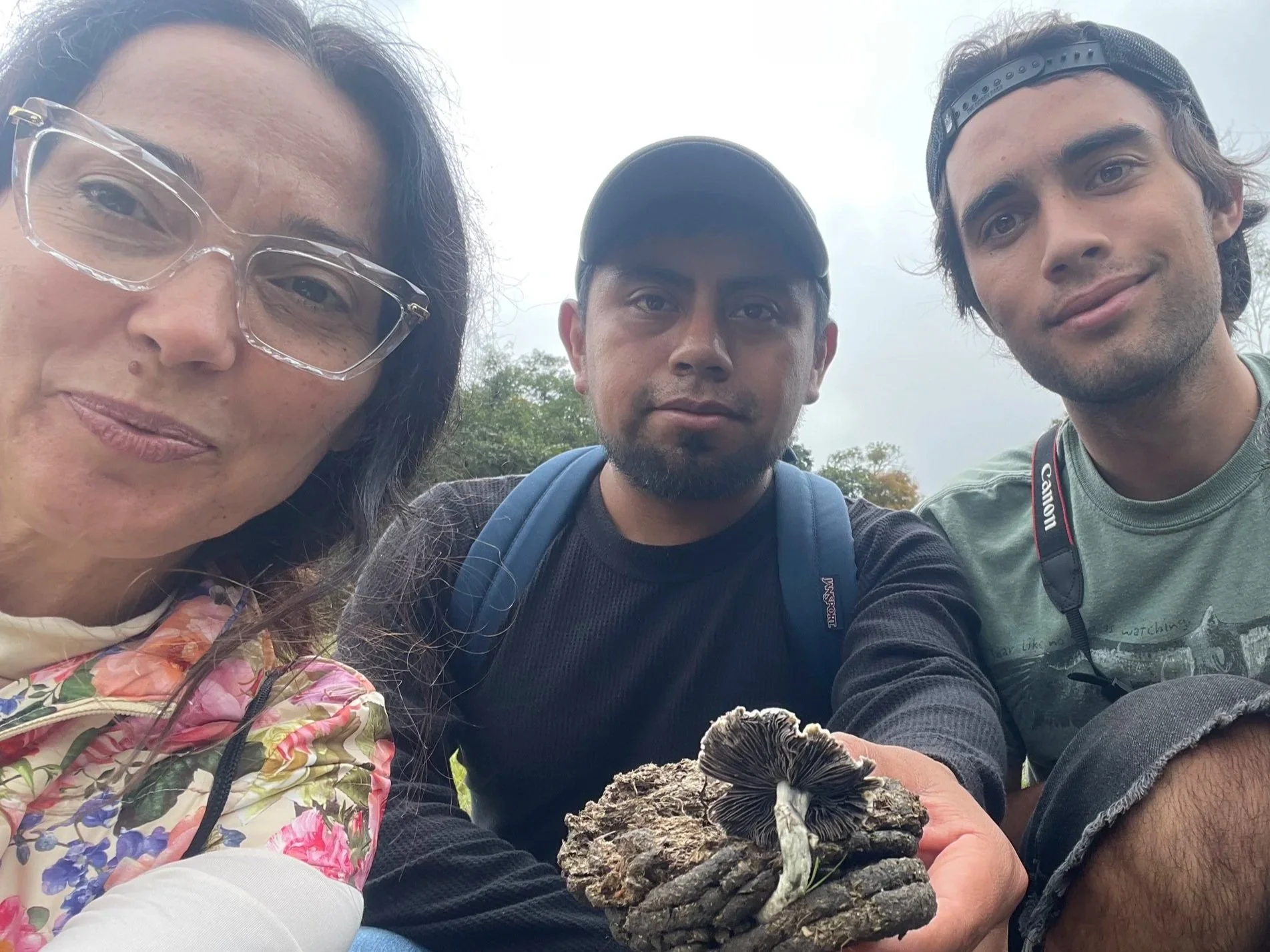
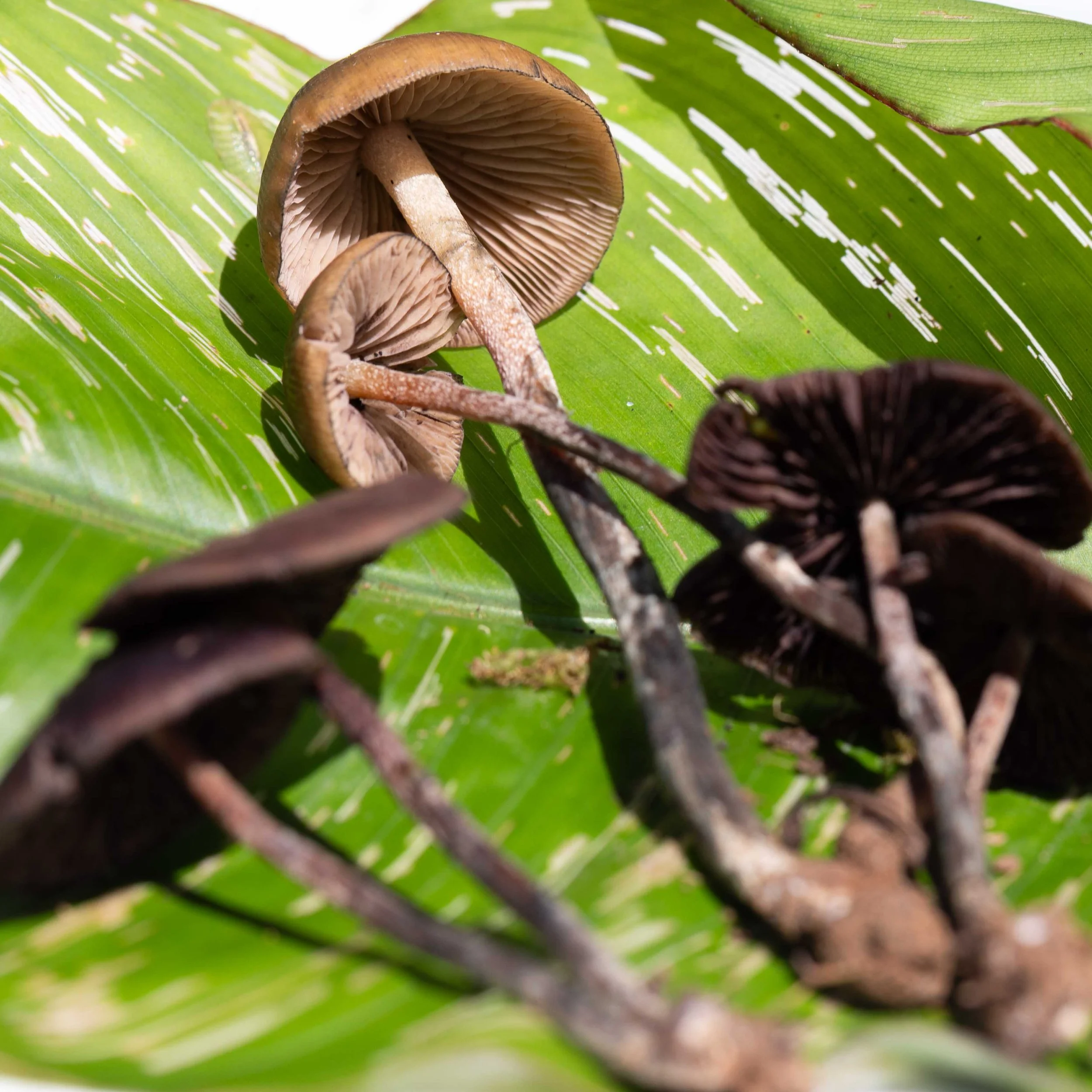
Annalisa Butticci, Jesús Eugenio García Martínez, Barón Castañares, with Psilocybe cubensis / San Isidro. Photo: A.B.
Summer 2026
Ethnographic Fieldwork
Multispecies and Walking Ethnography and Participatory mapping
Participant Observation
Oral history and ethnographic interviews
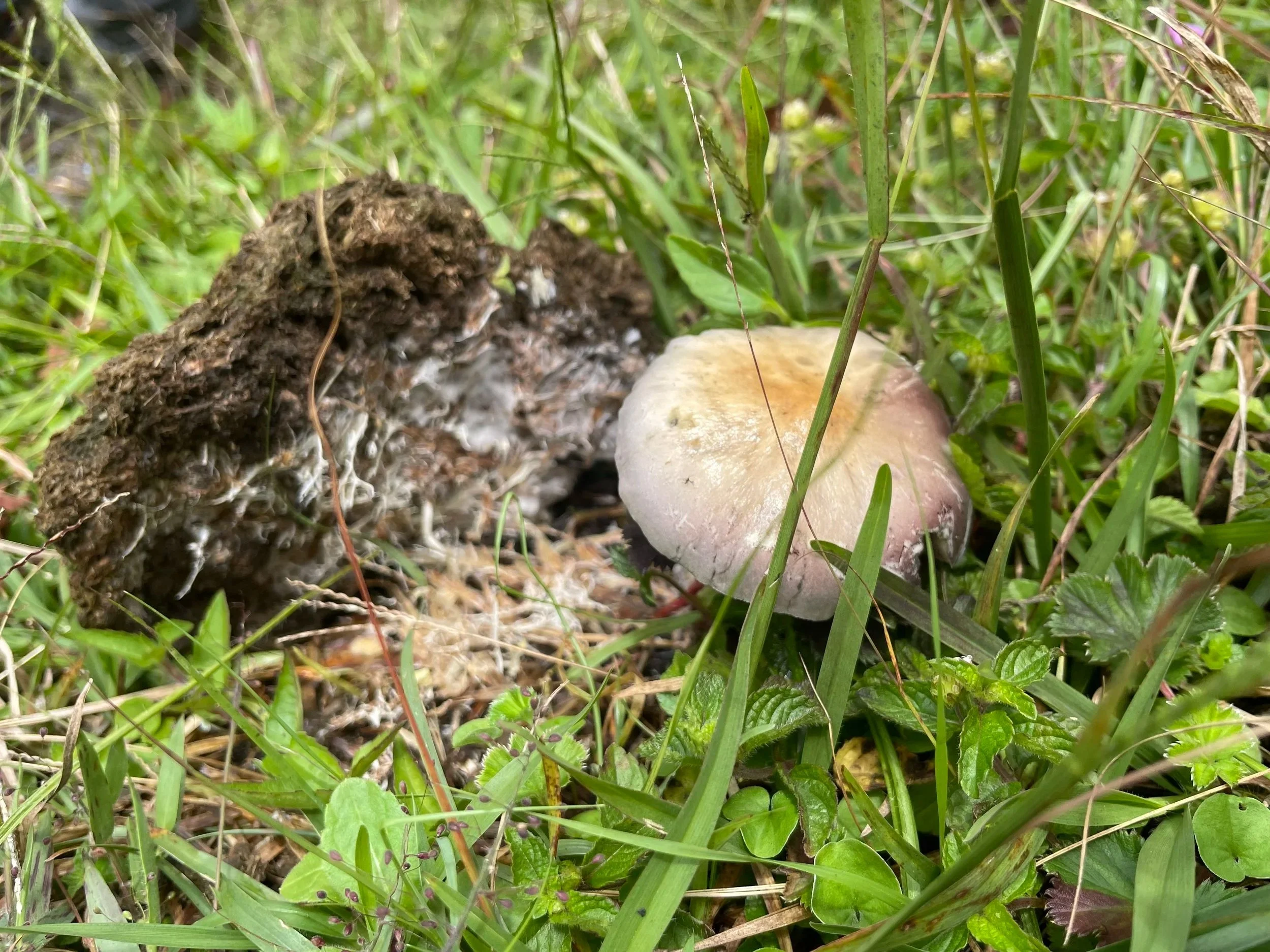
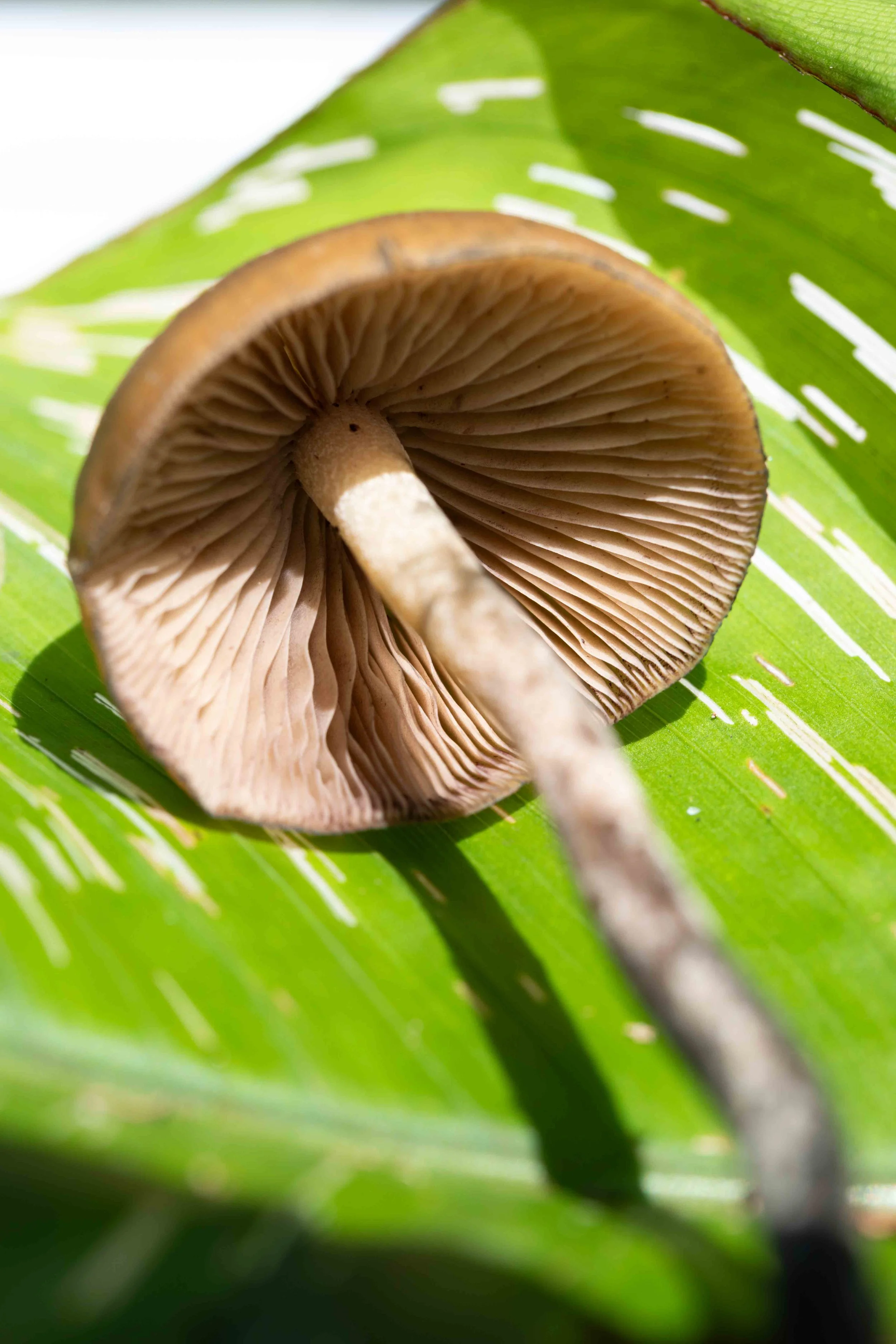
Psilocybe Cubensis / San Isidro. Photo: A.BSpring 2027
Participatory Action Research and Restitution
Collaborative Interventions
Community workshop/taller
Knowledge Dissemination
Visual Archive
© 2026 Barón Antonio Castañares. All rights reserved
Photographs by Barón Antonio Castañares
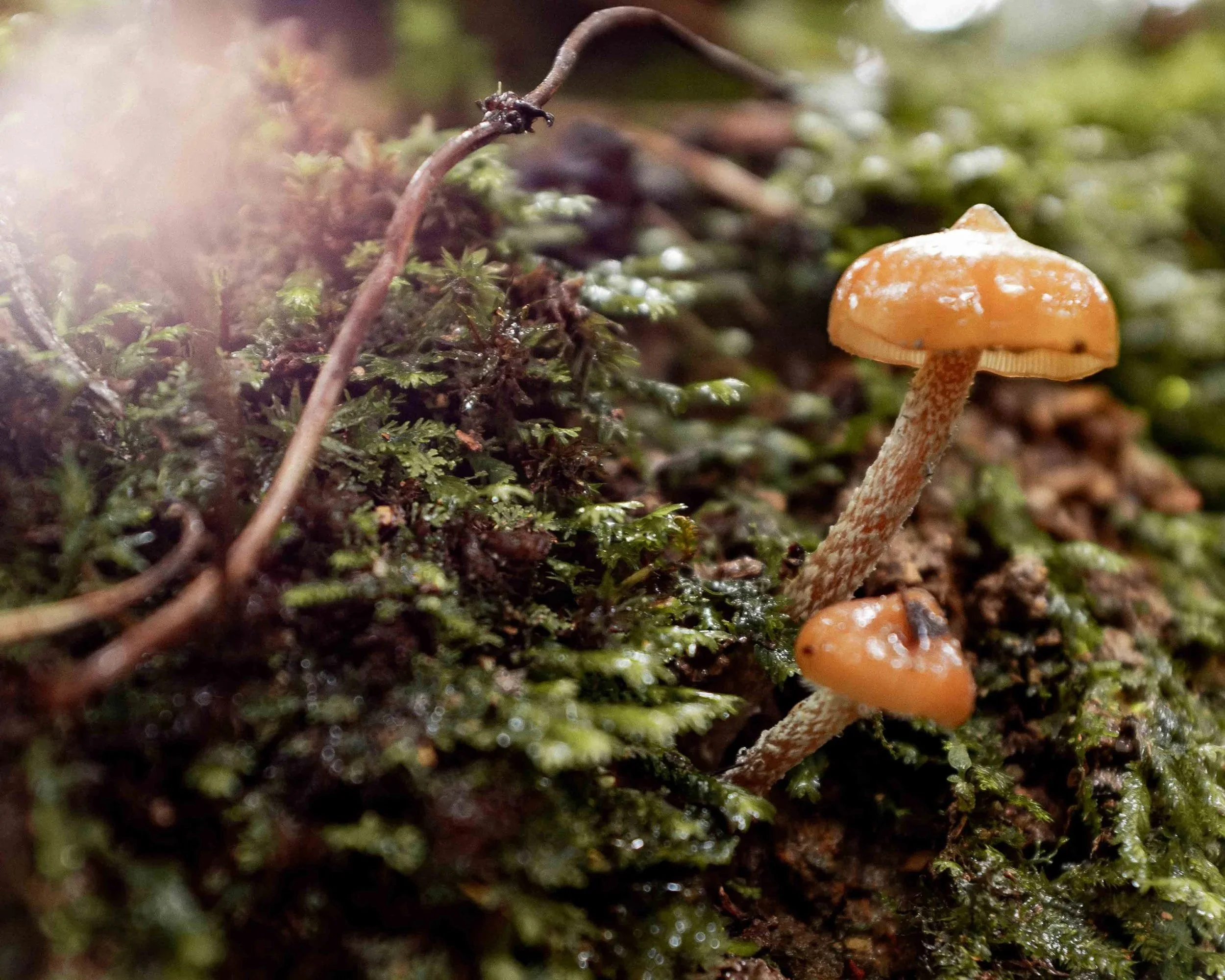
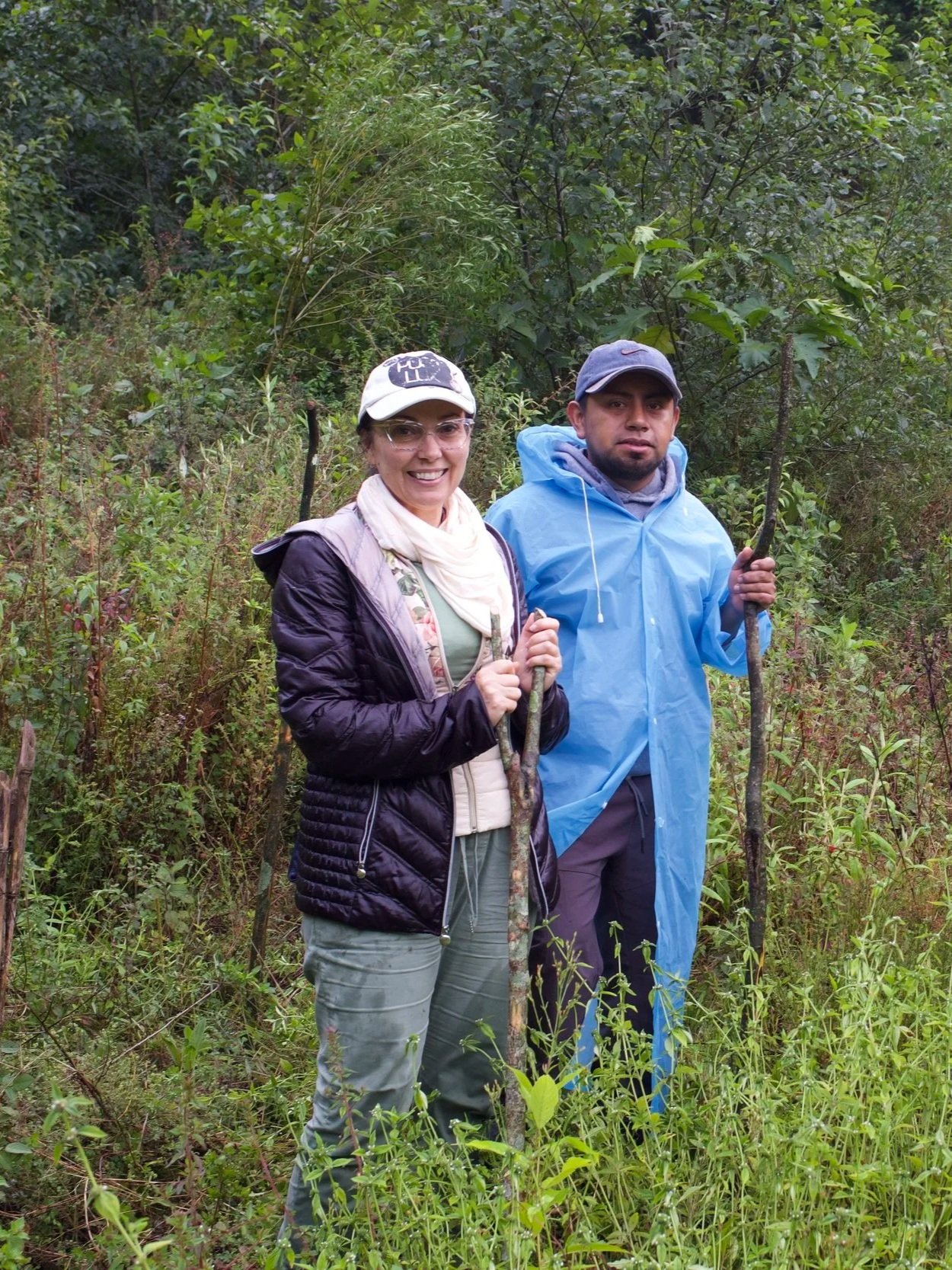
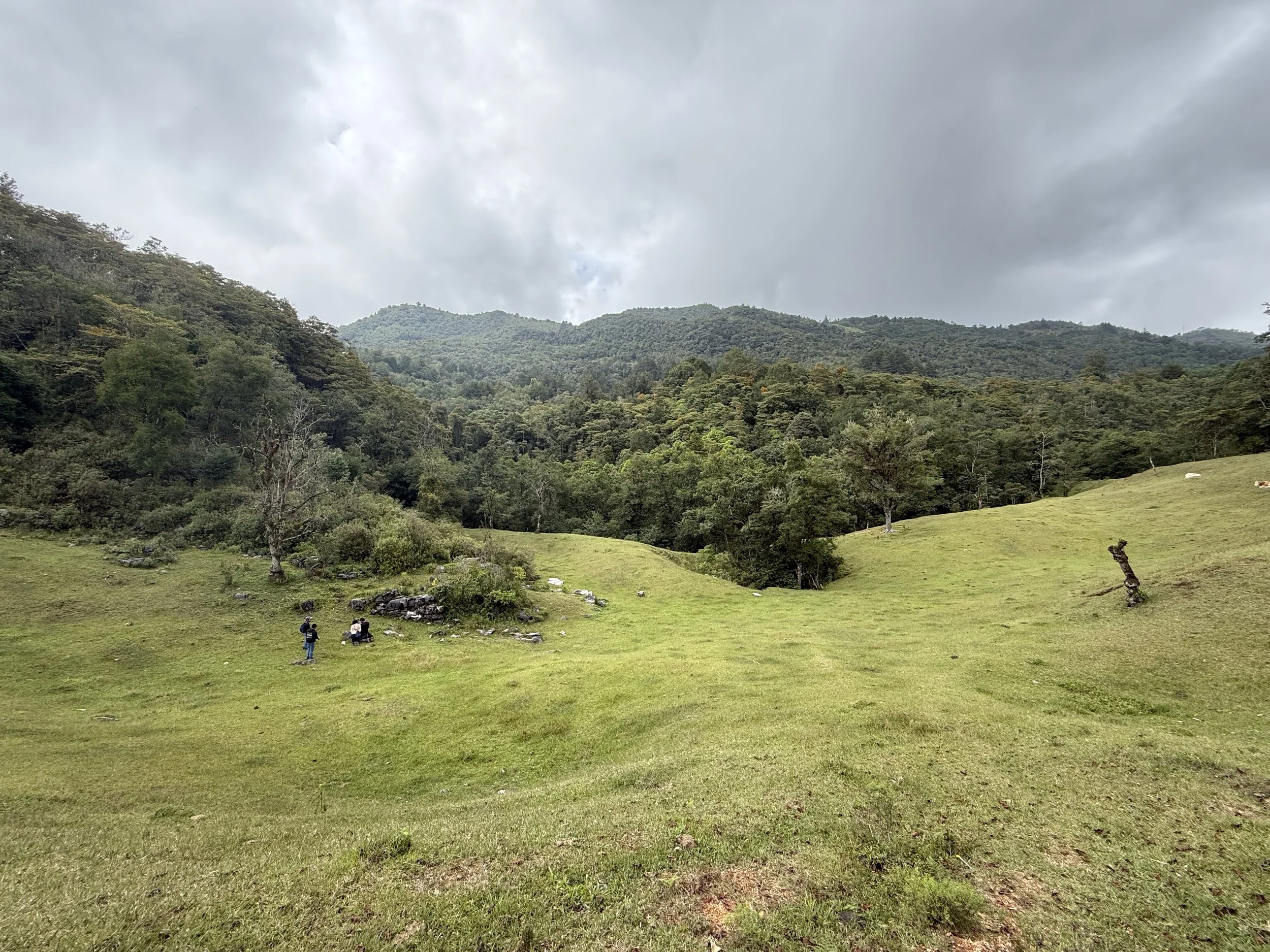
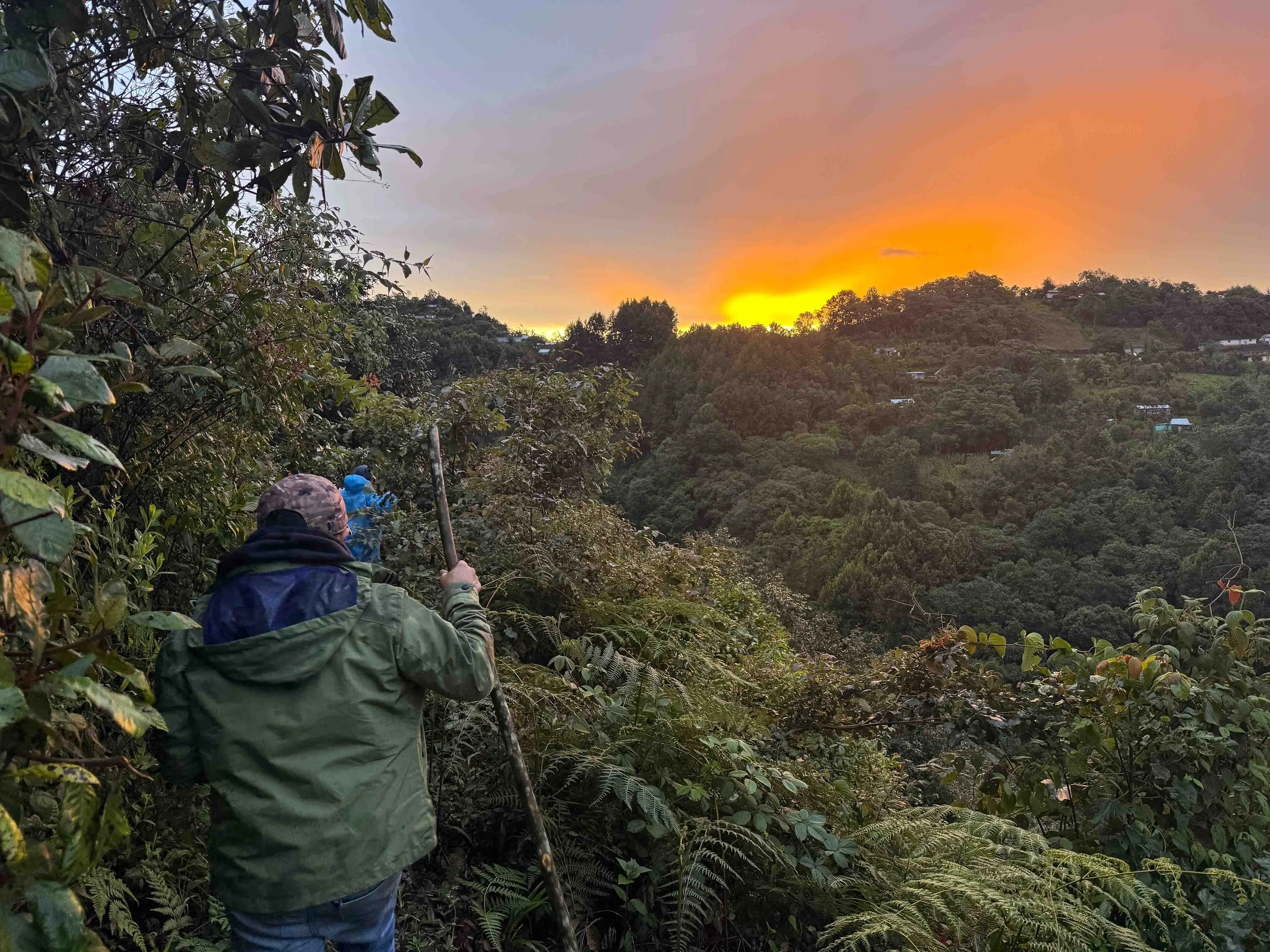
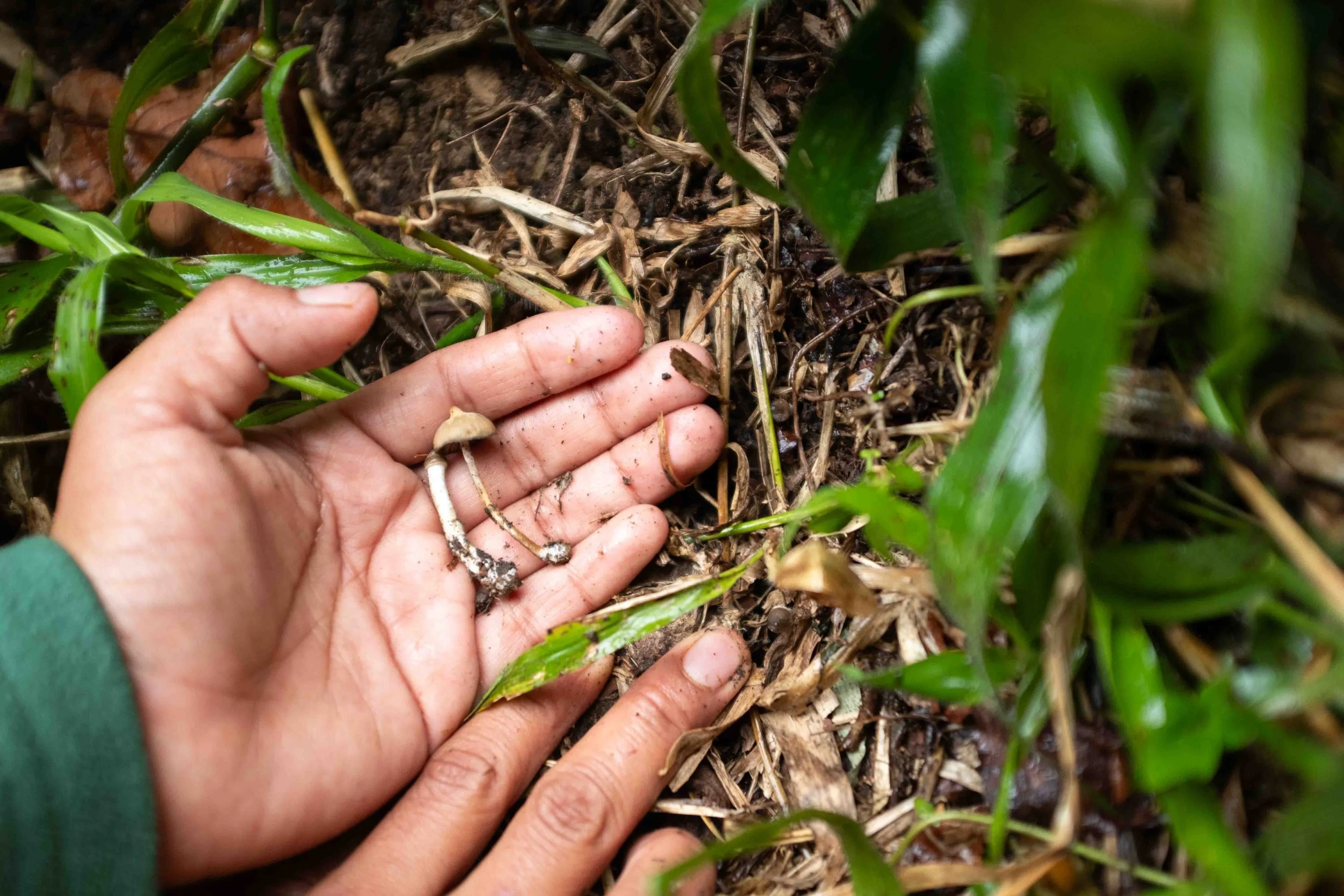
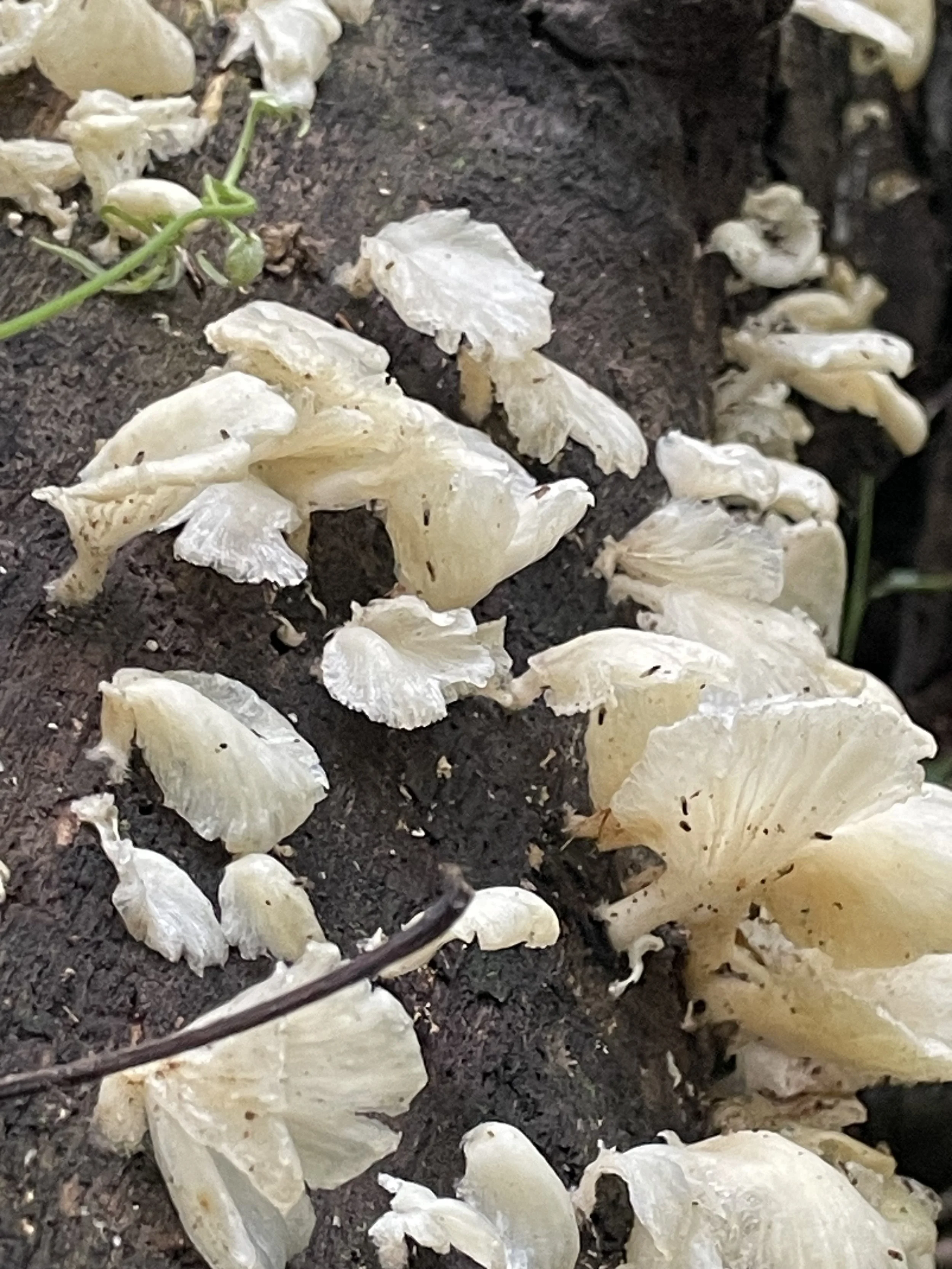
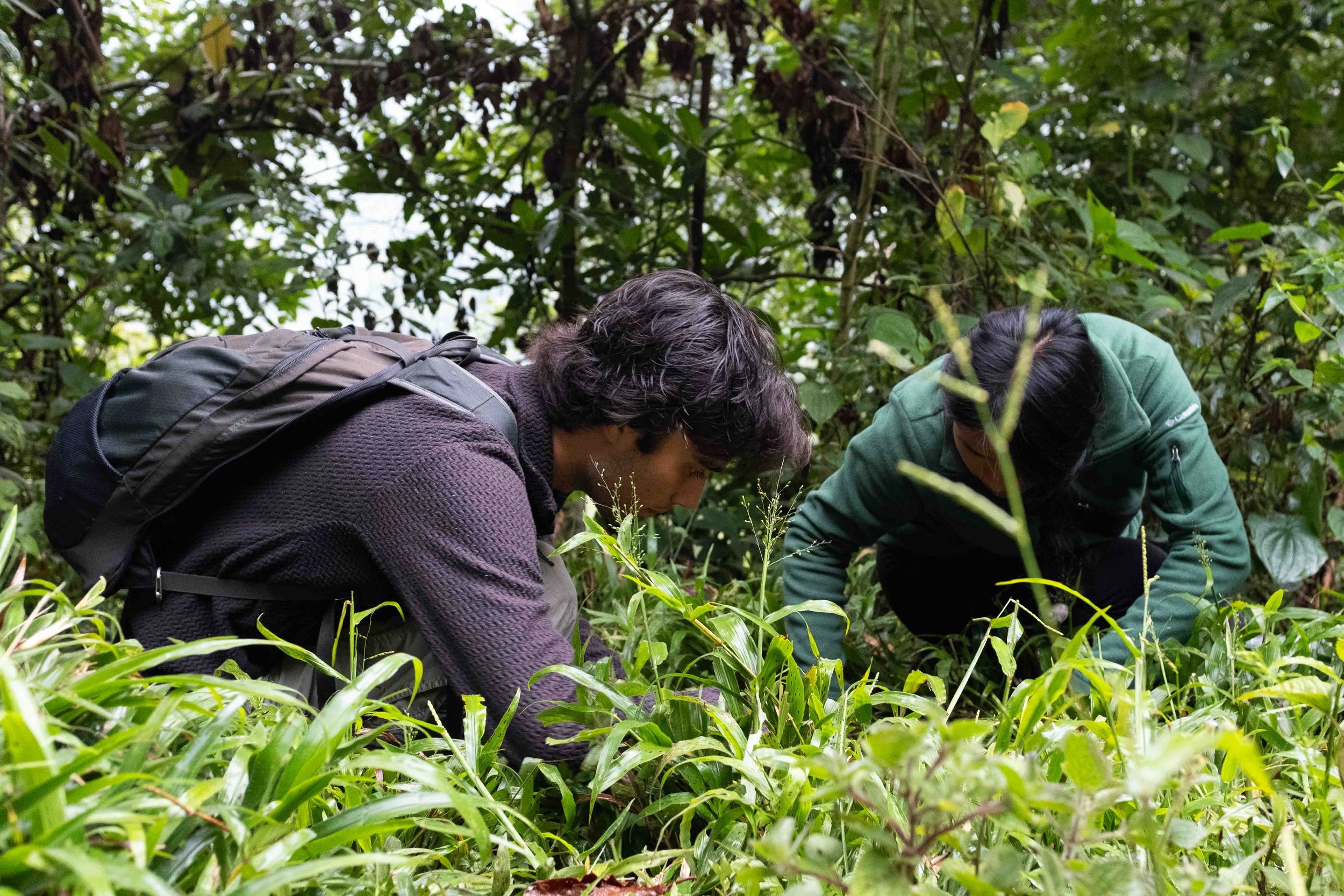
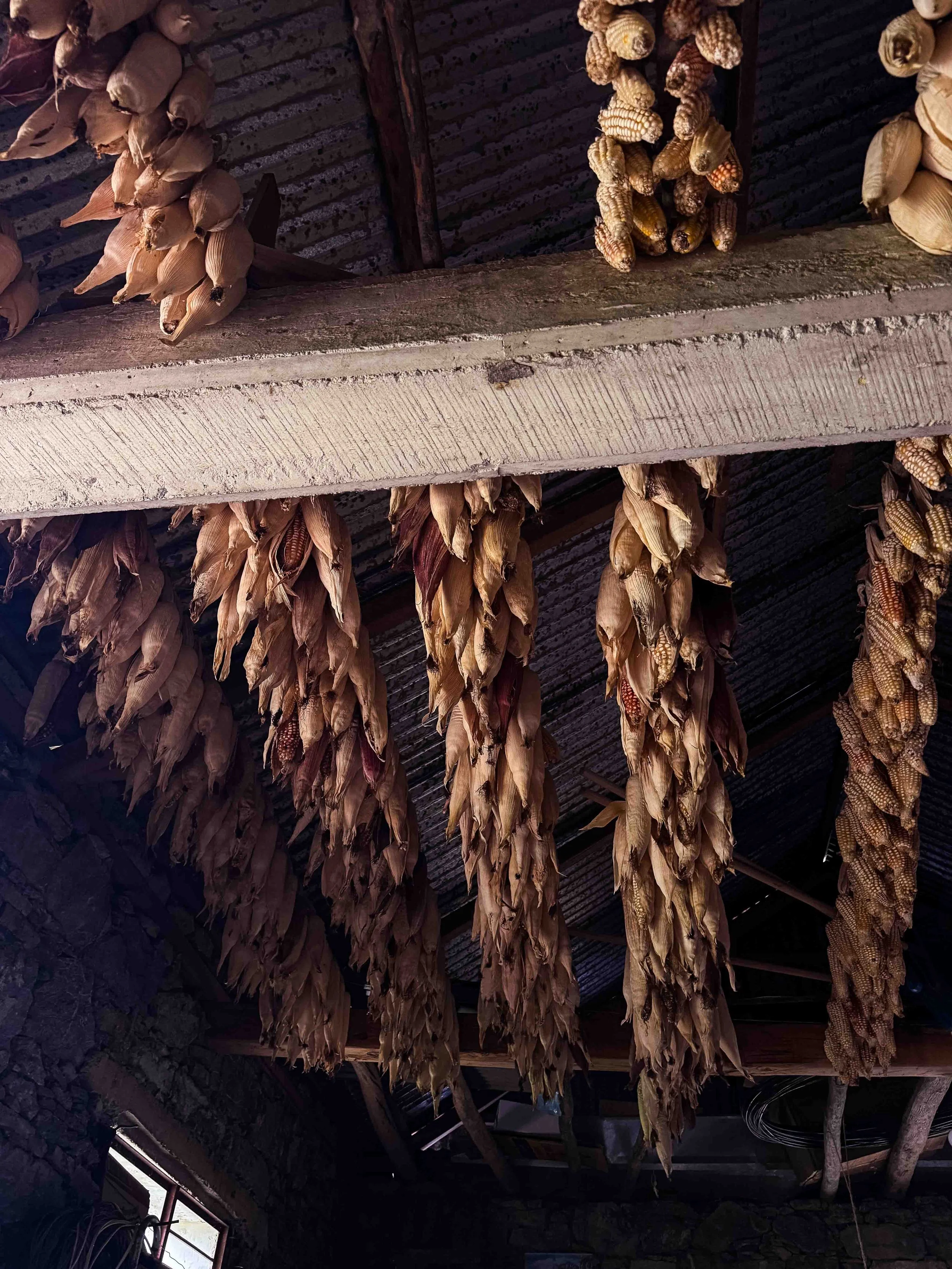
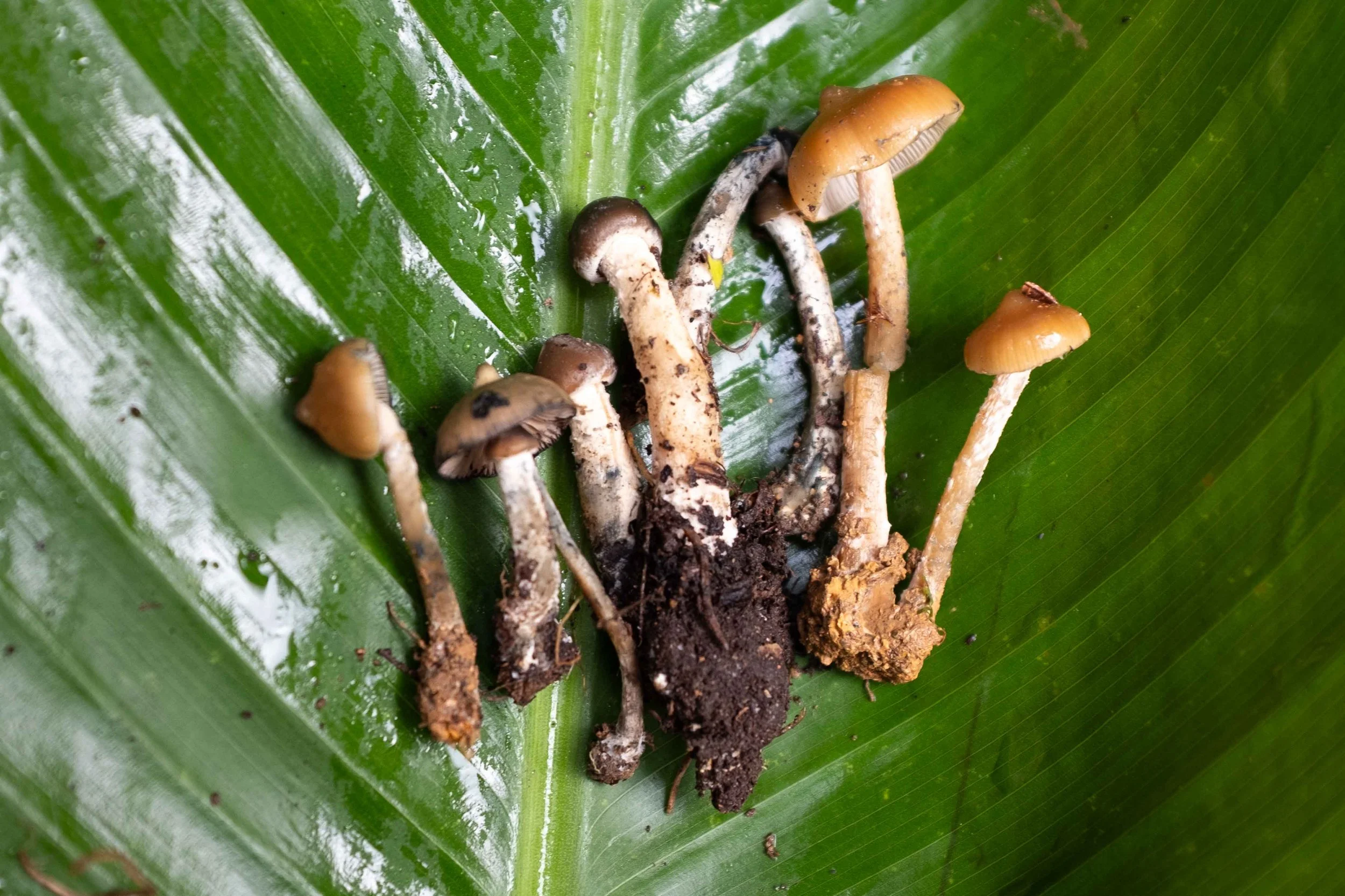
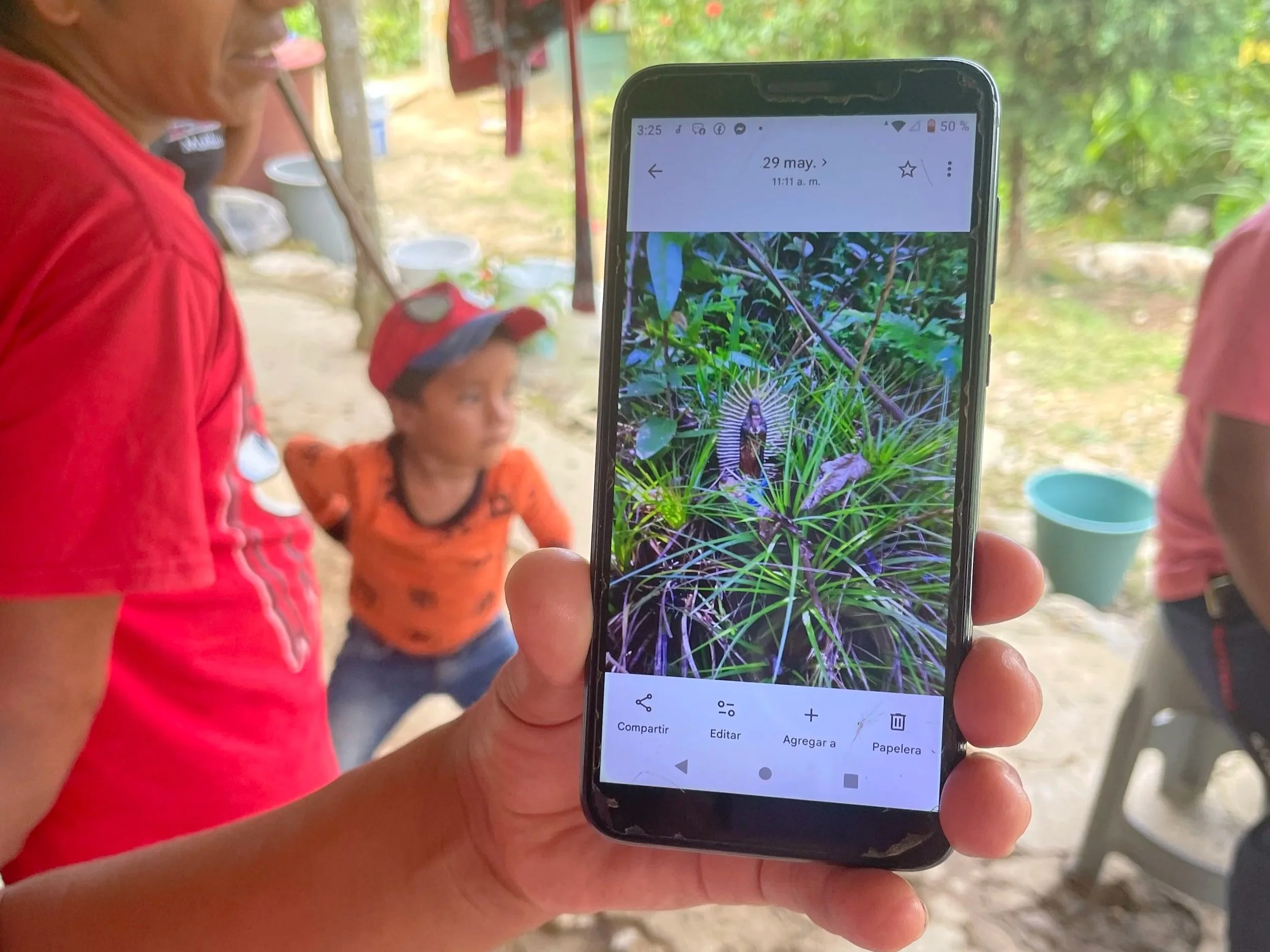

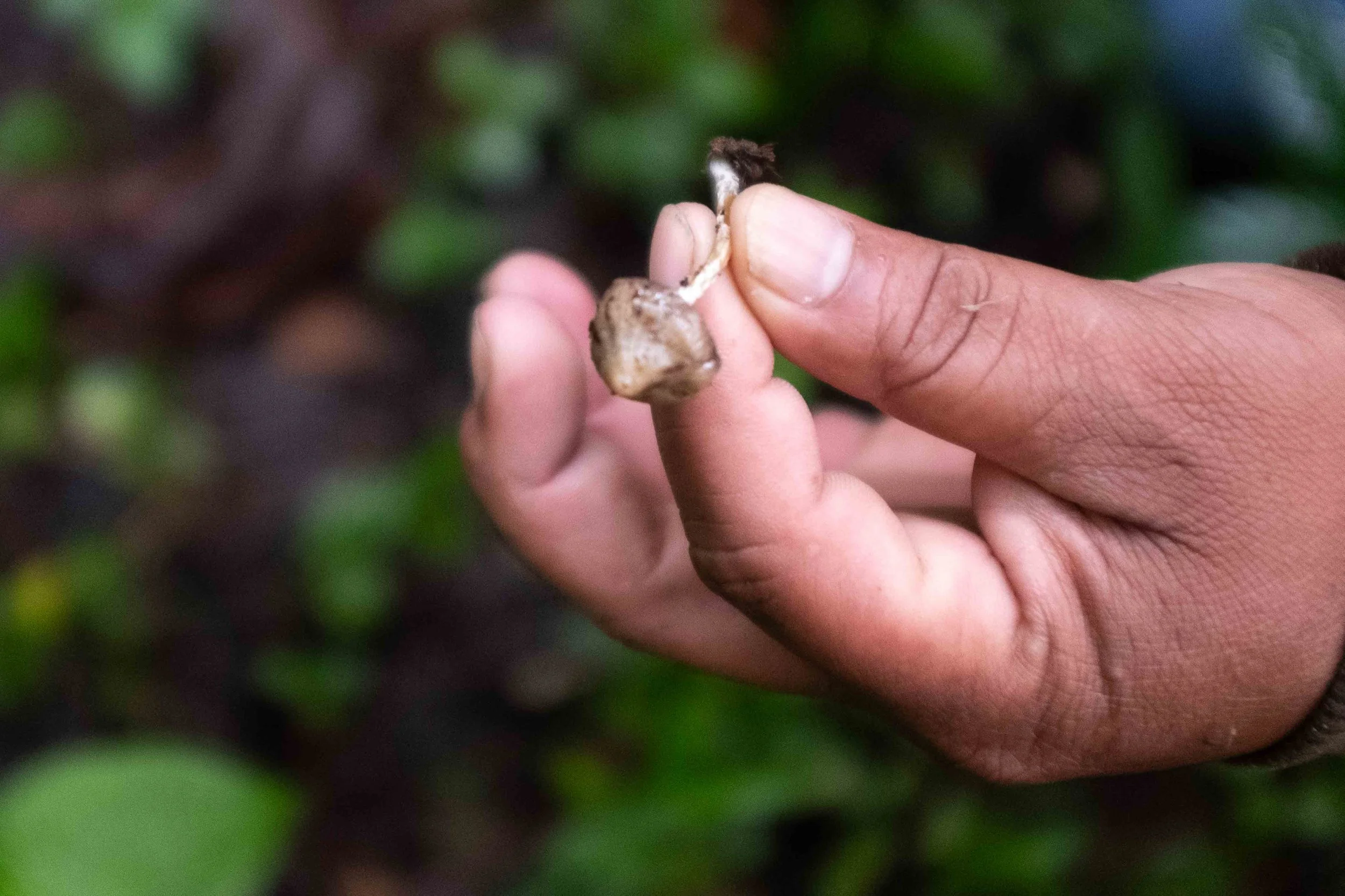
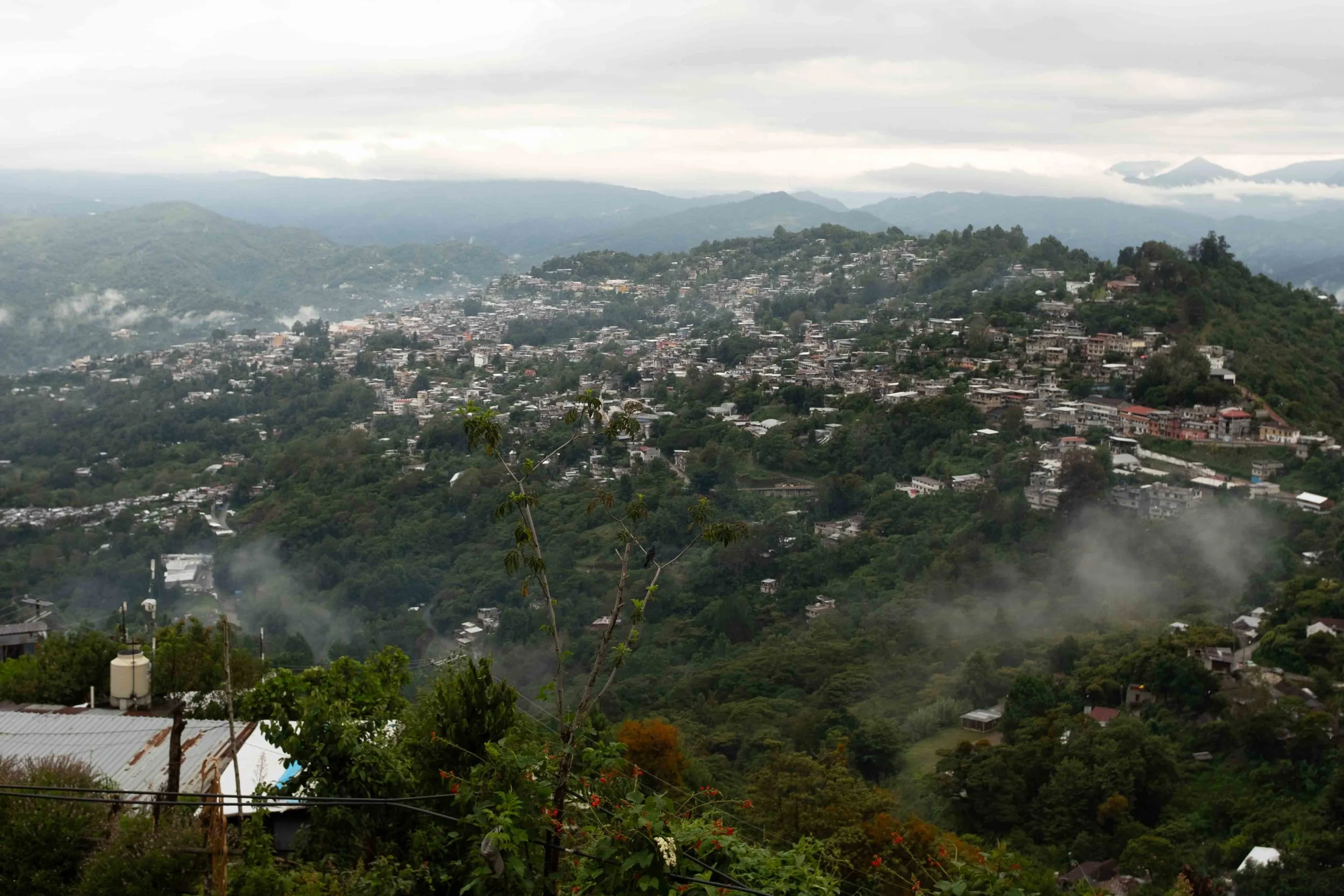
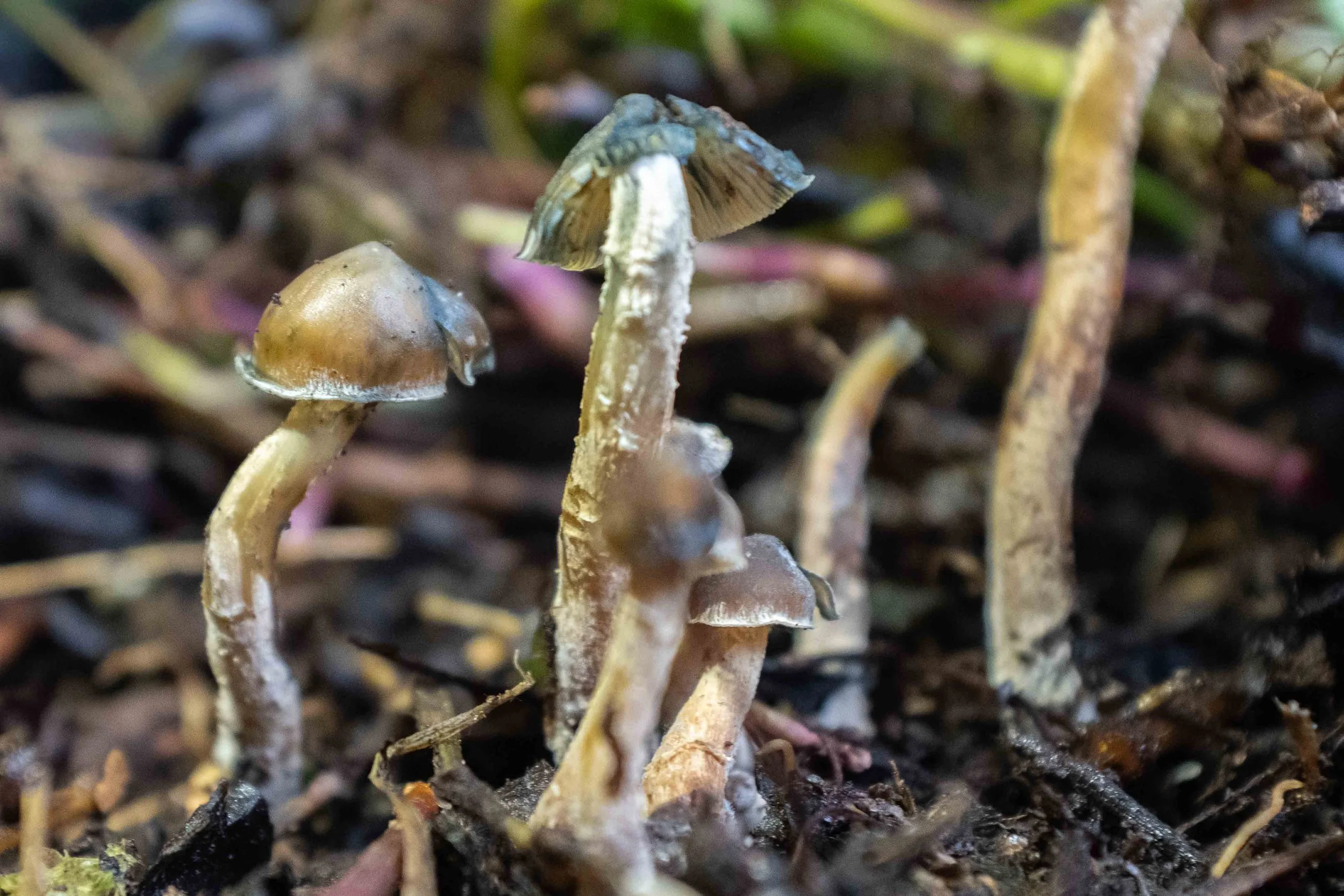
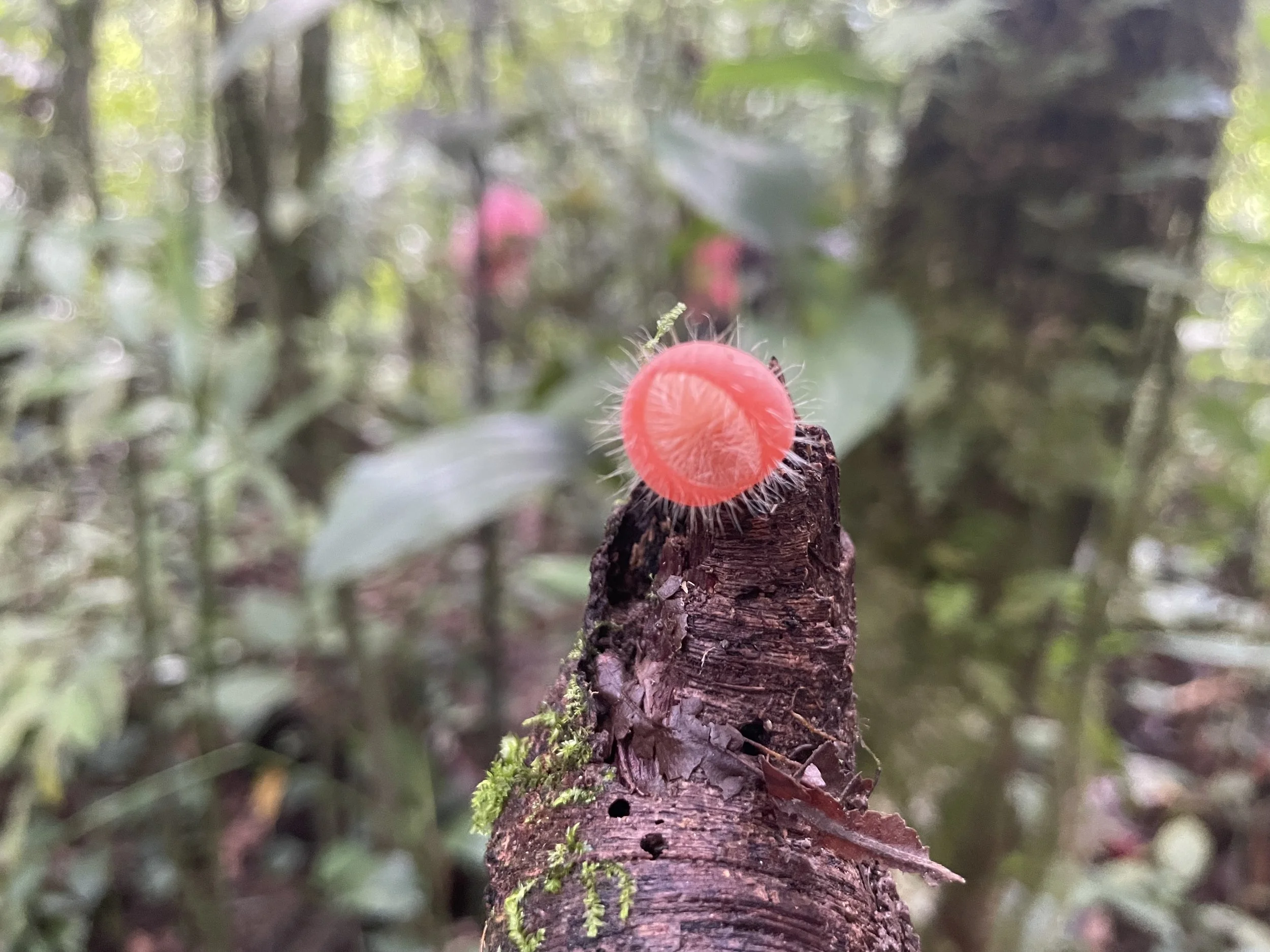
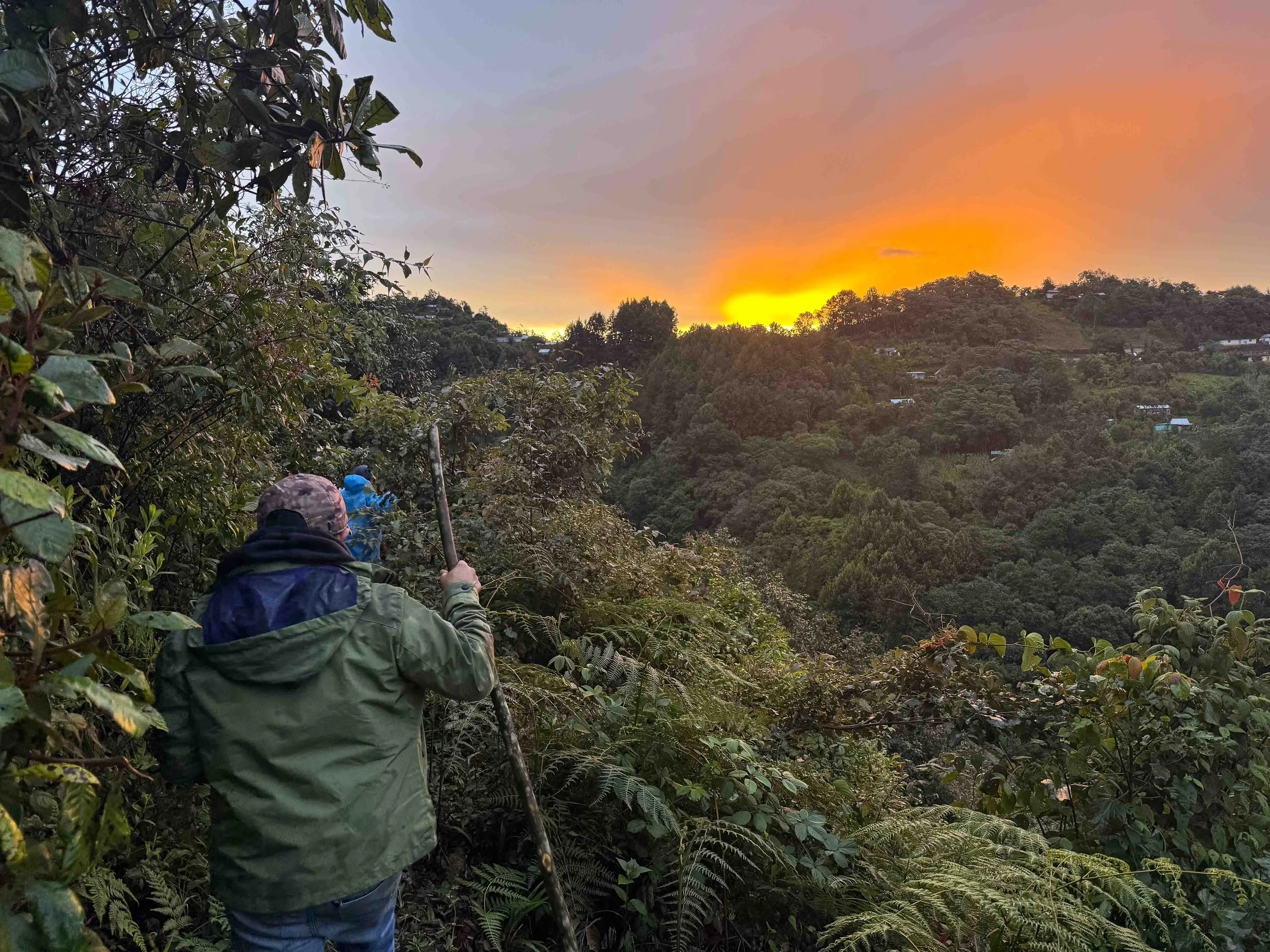
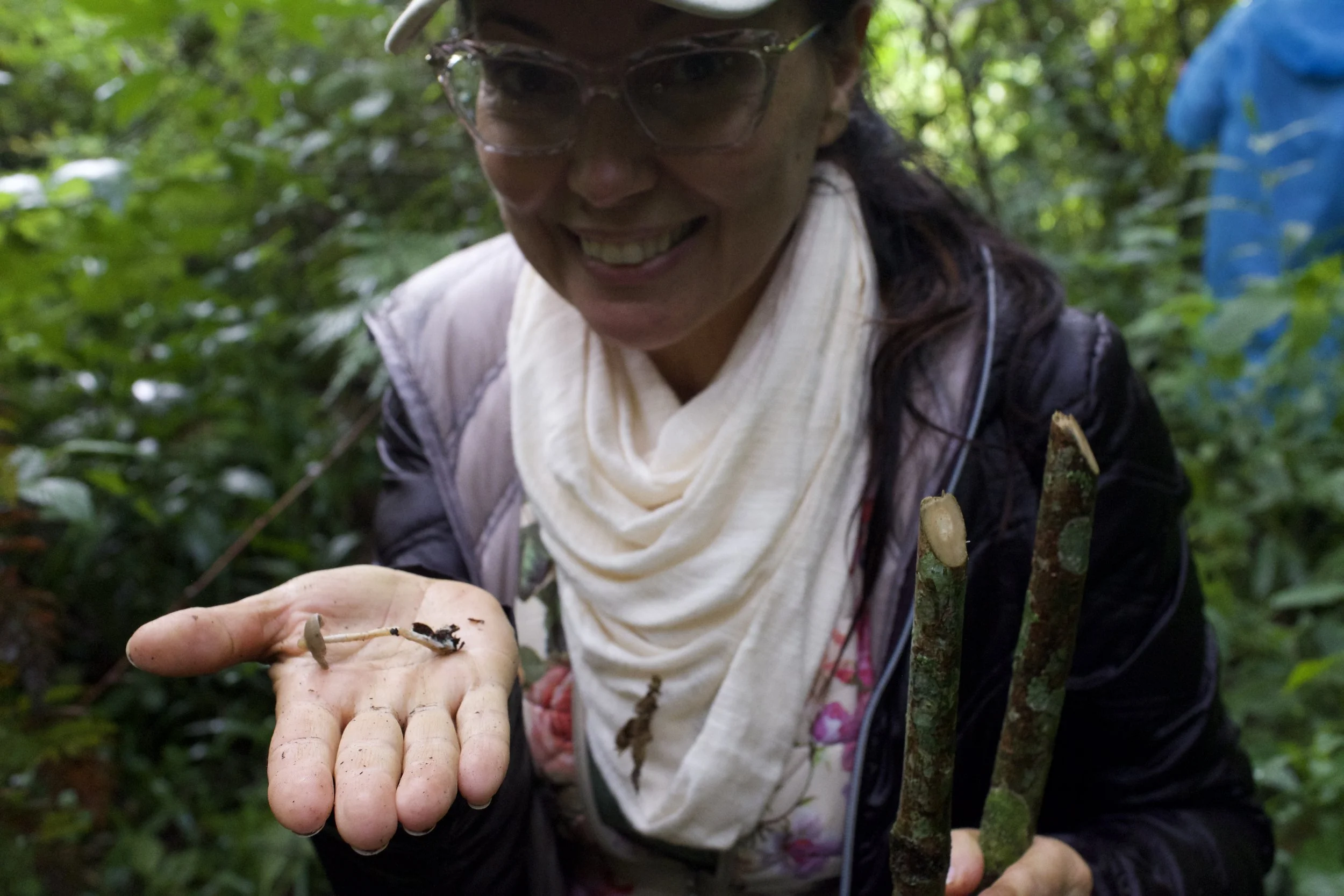
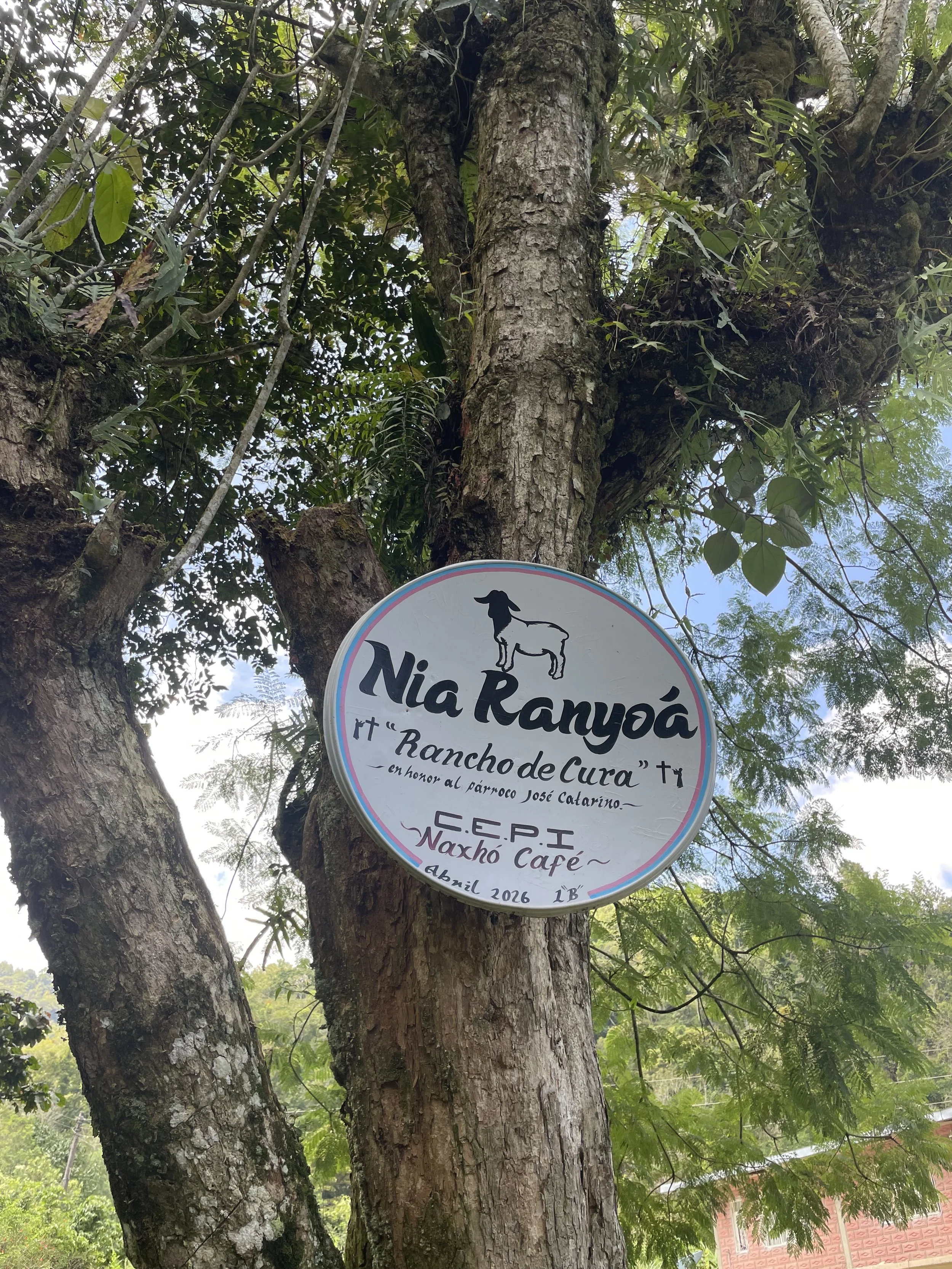
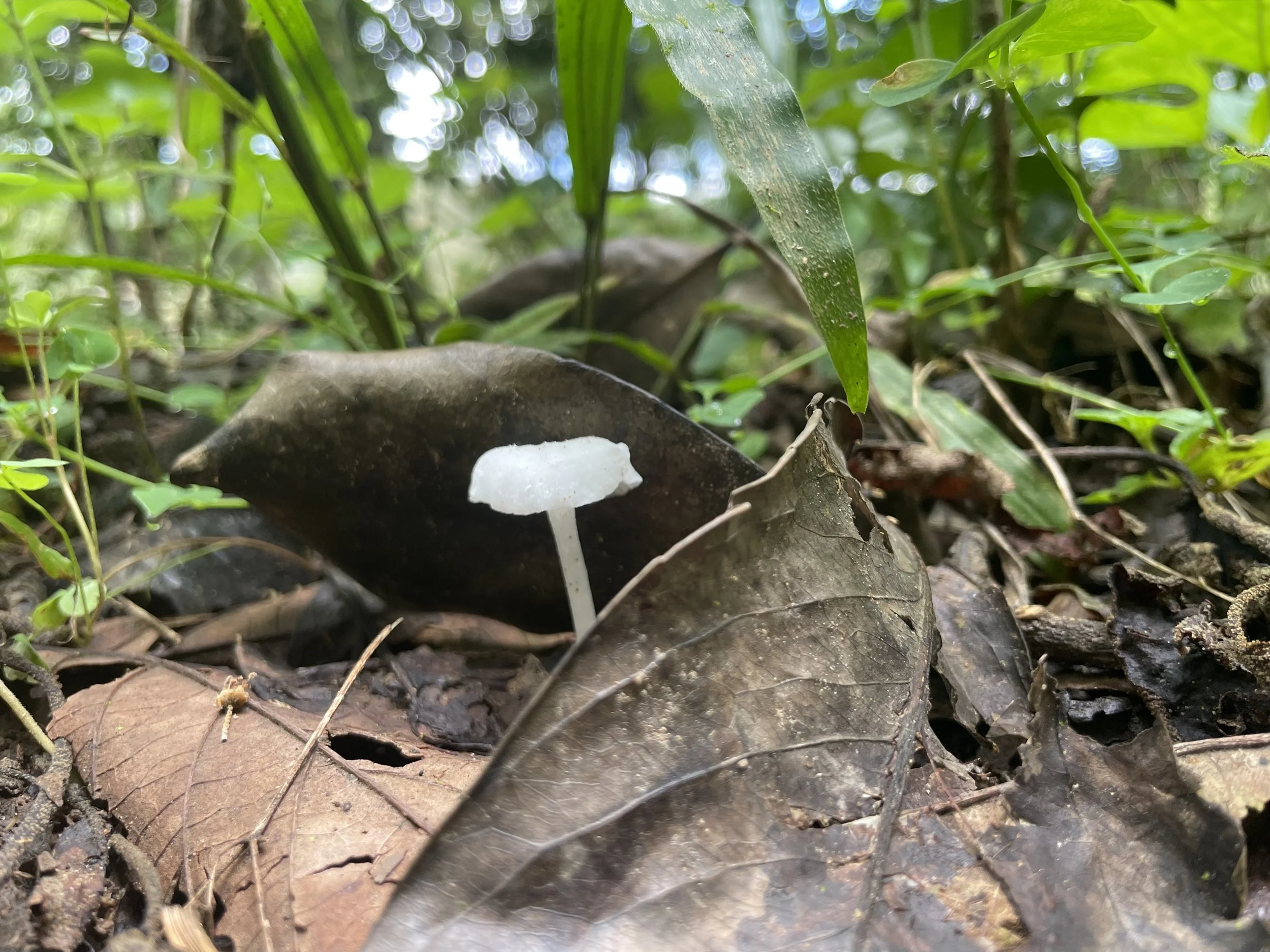
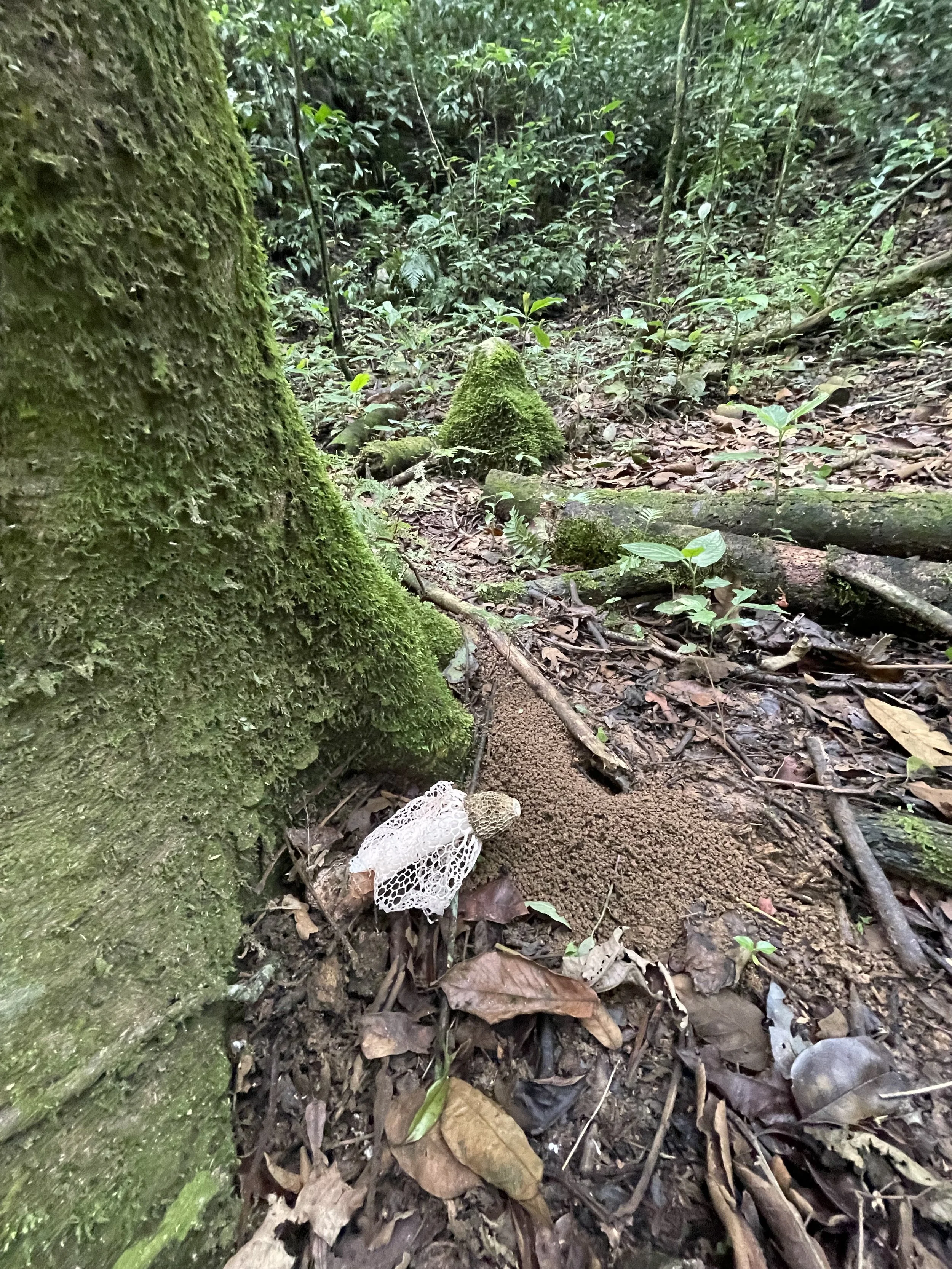
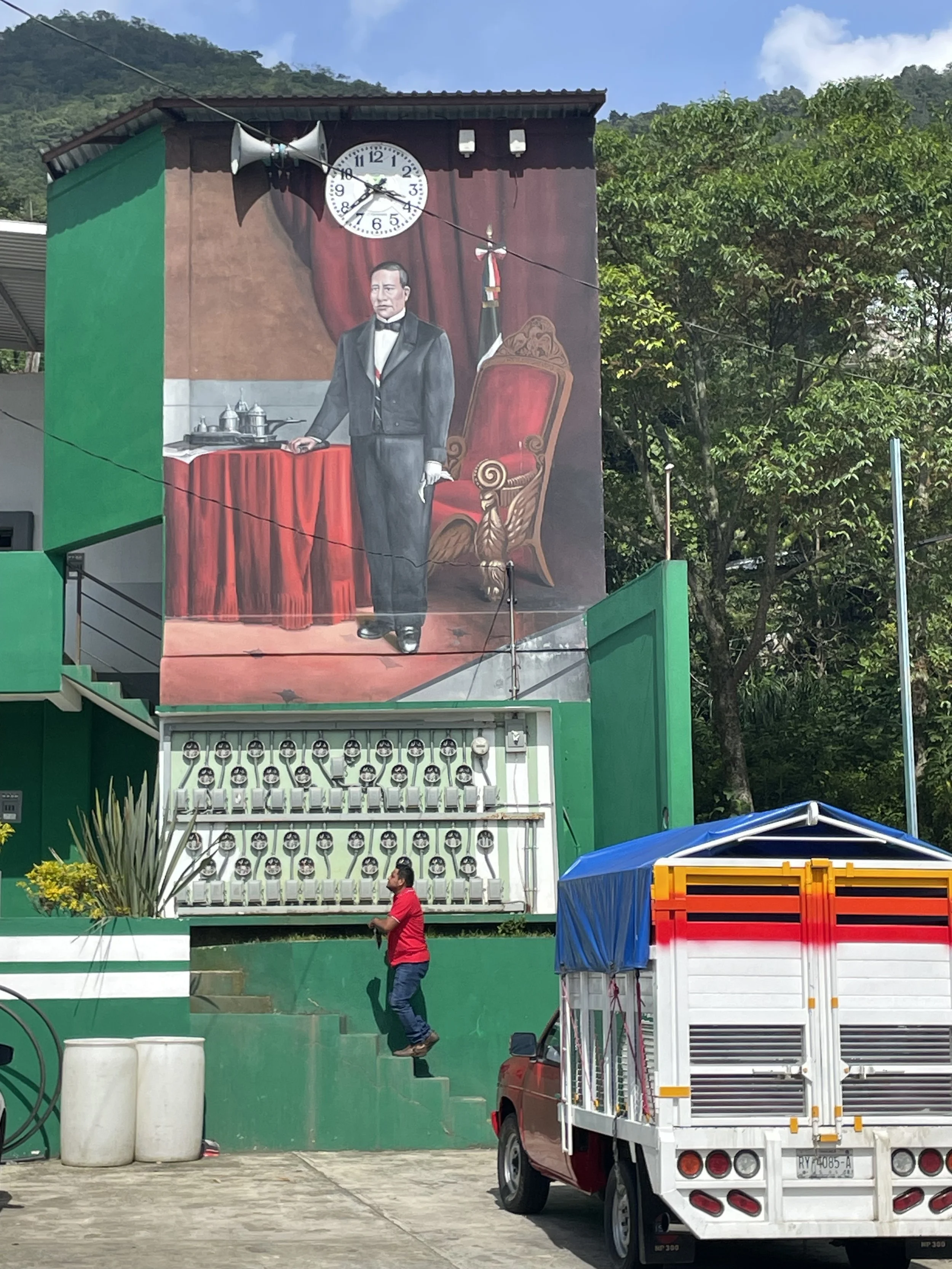
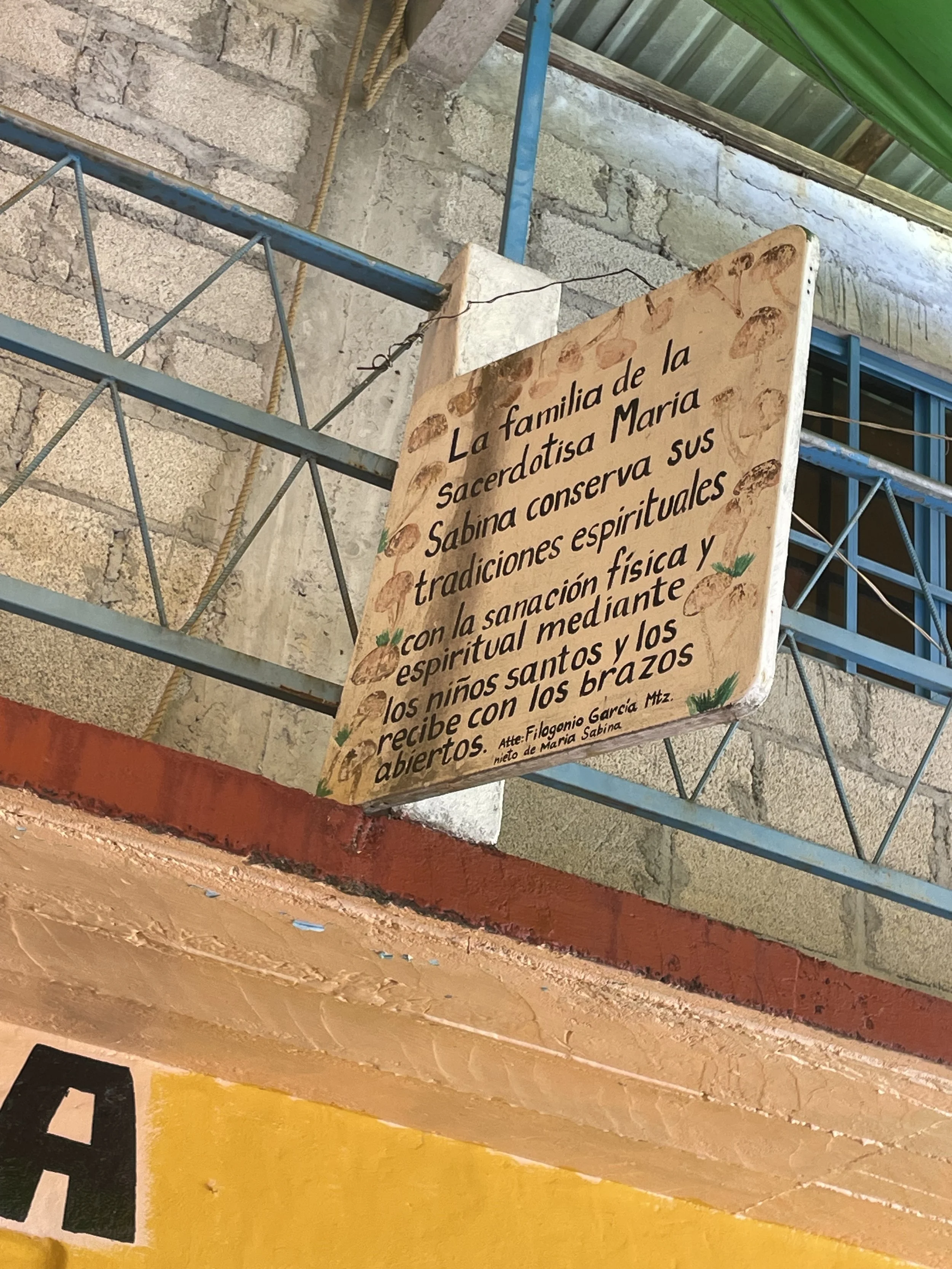
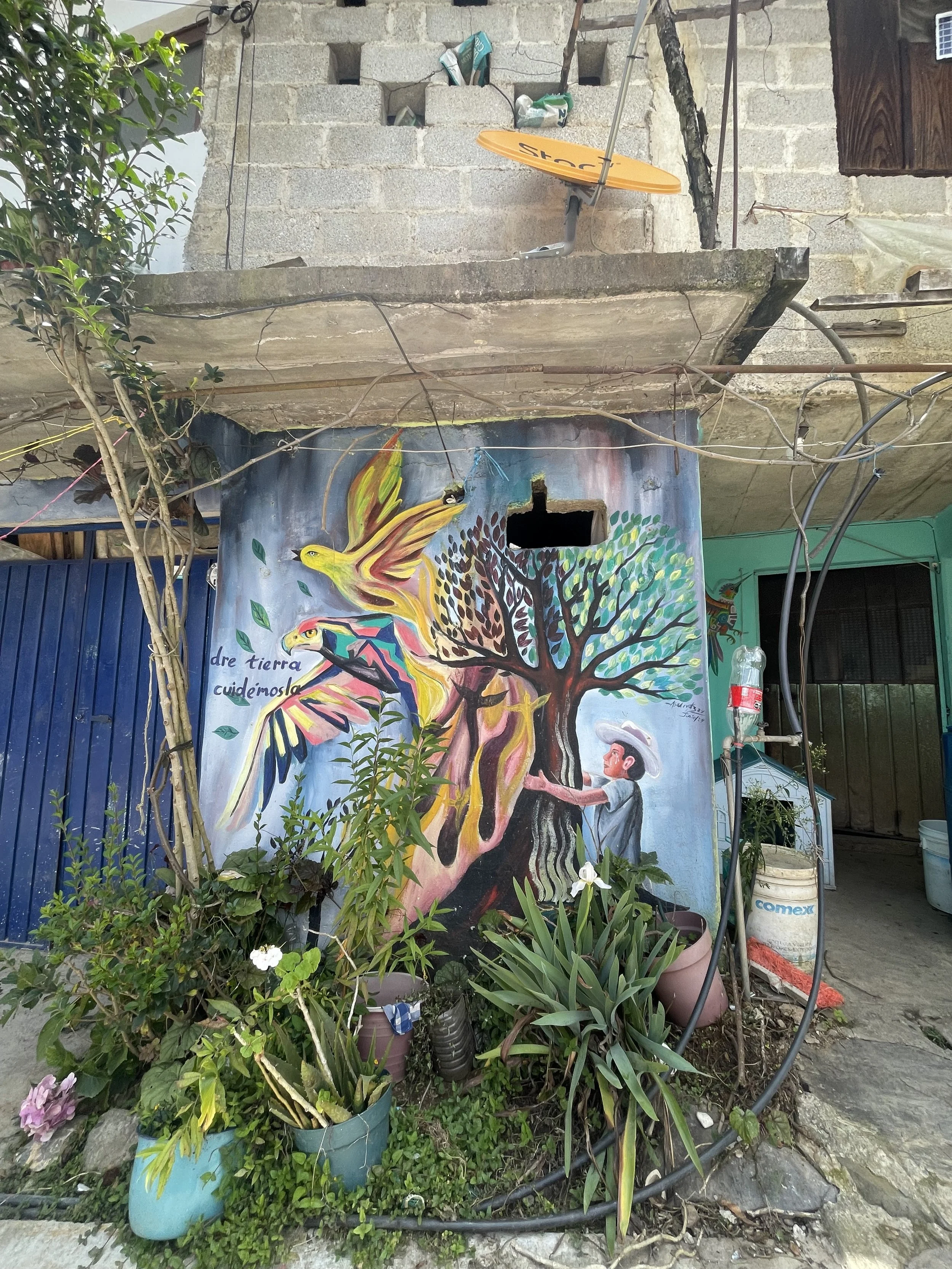
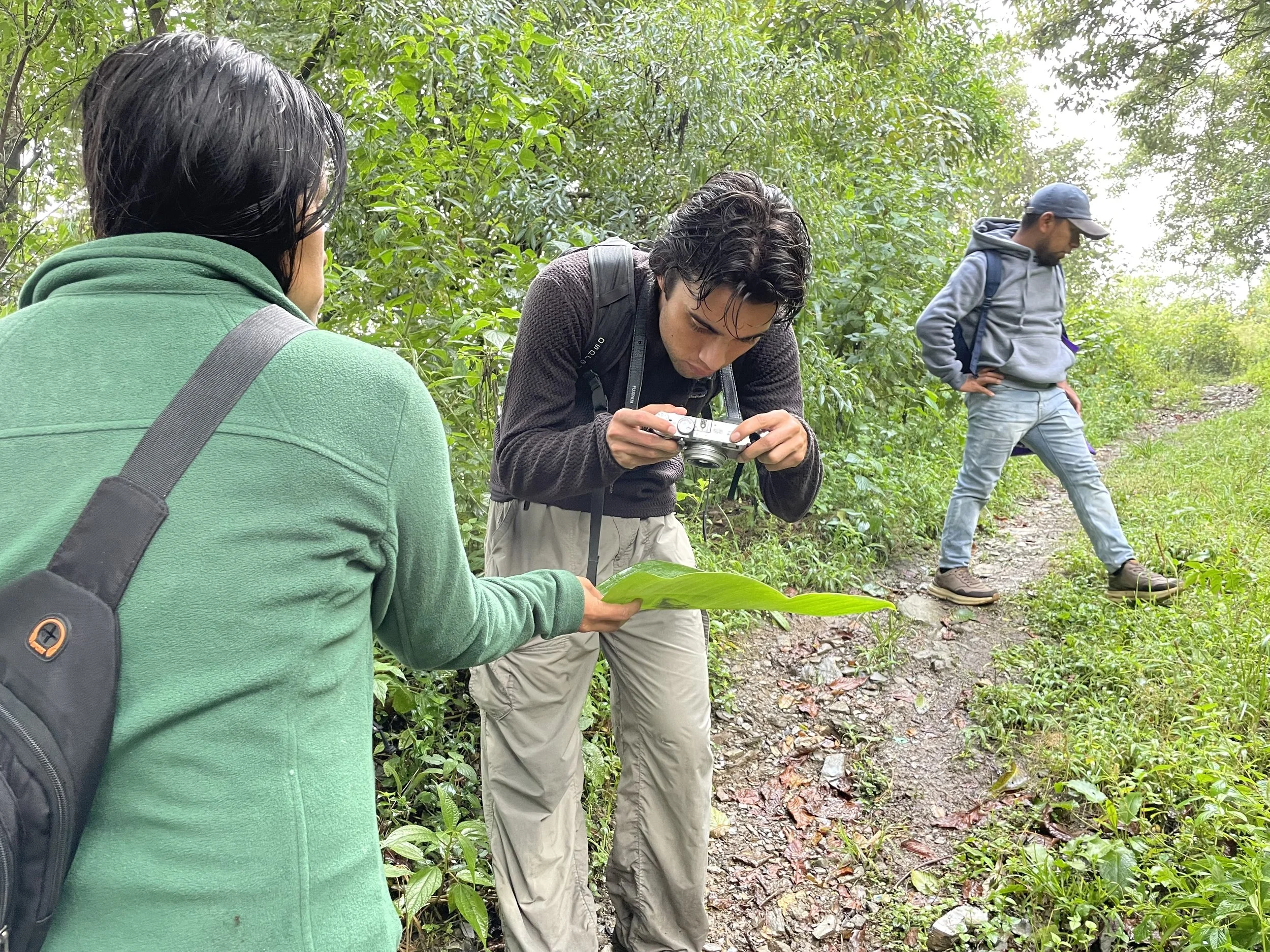

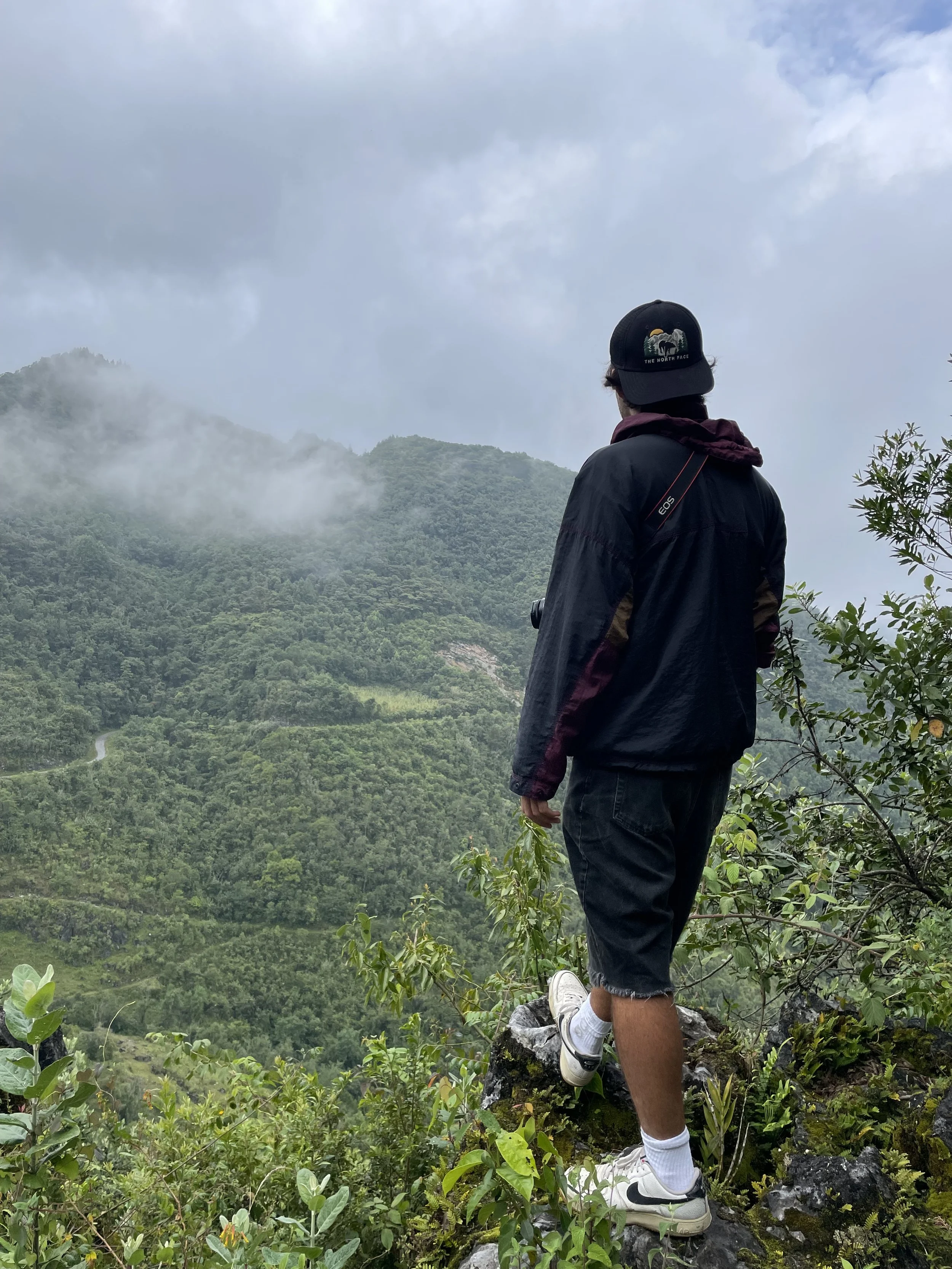
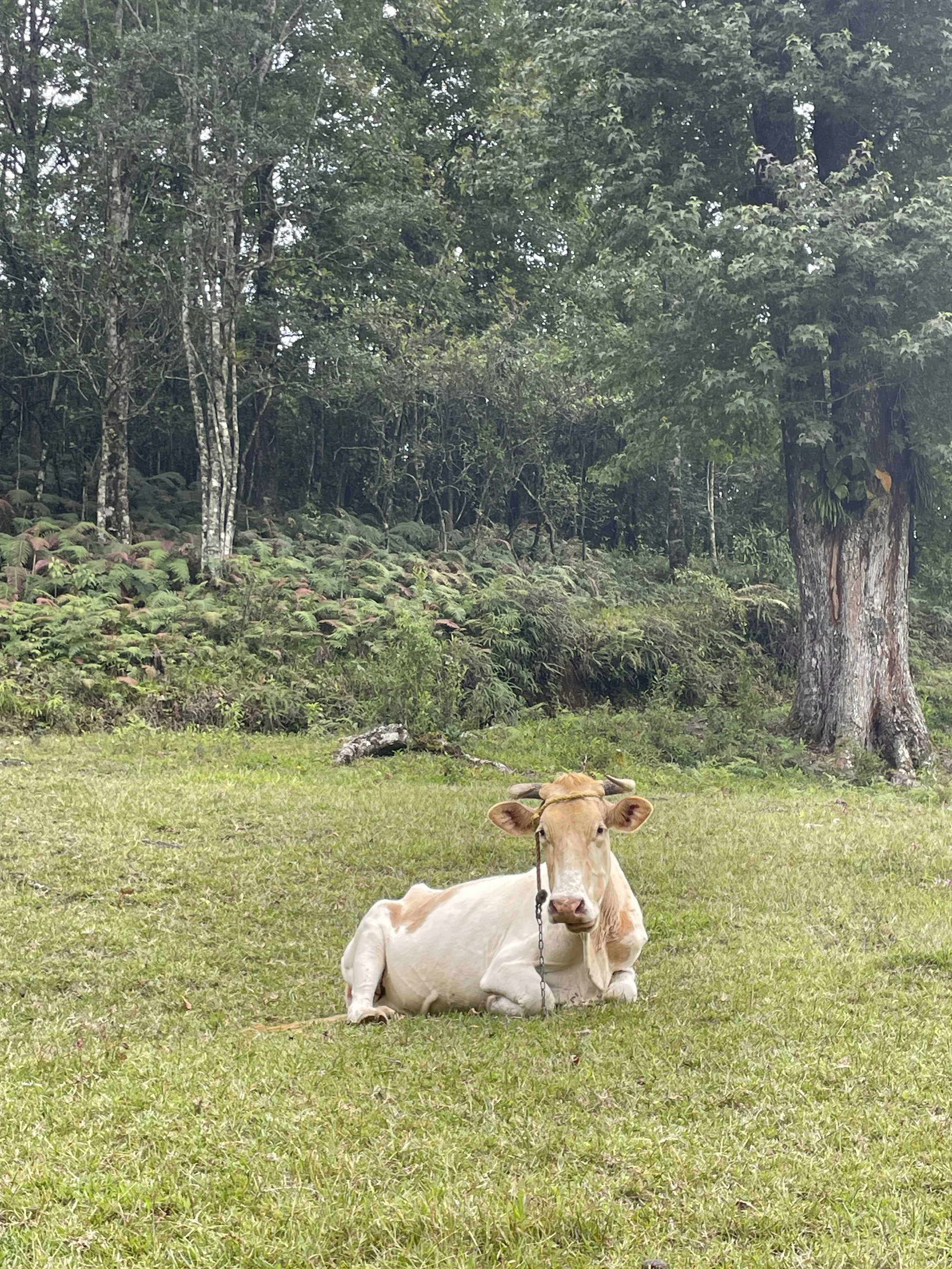
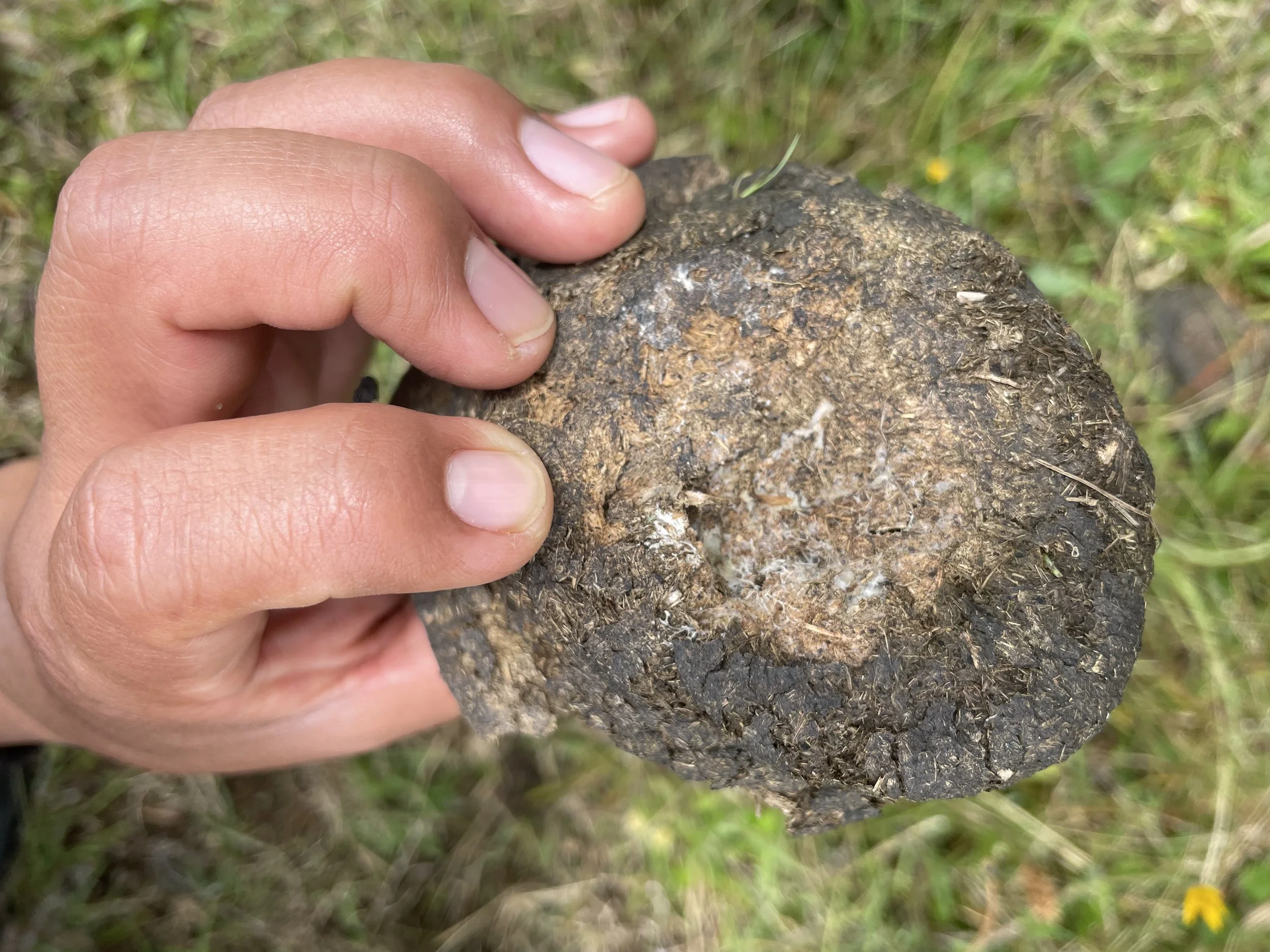
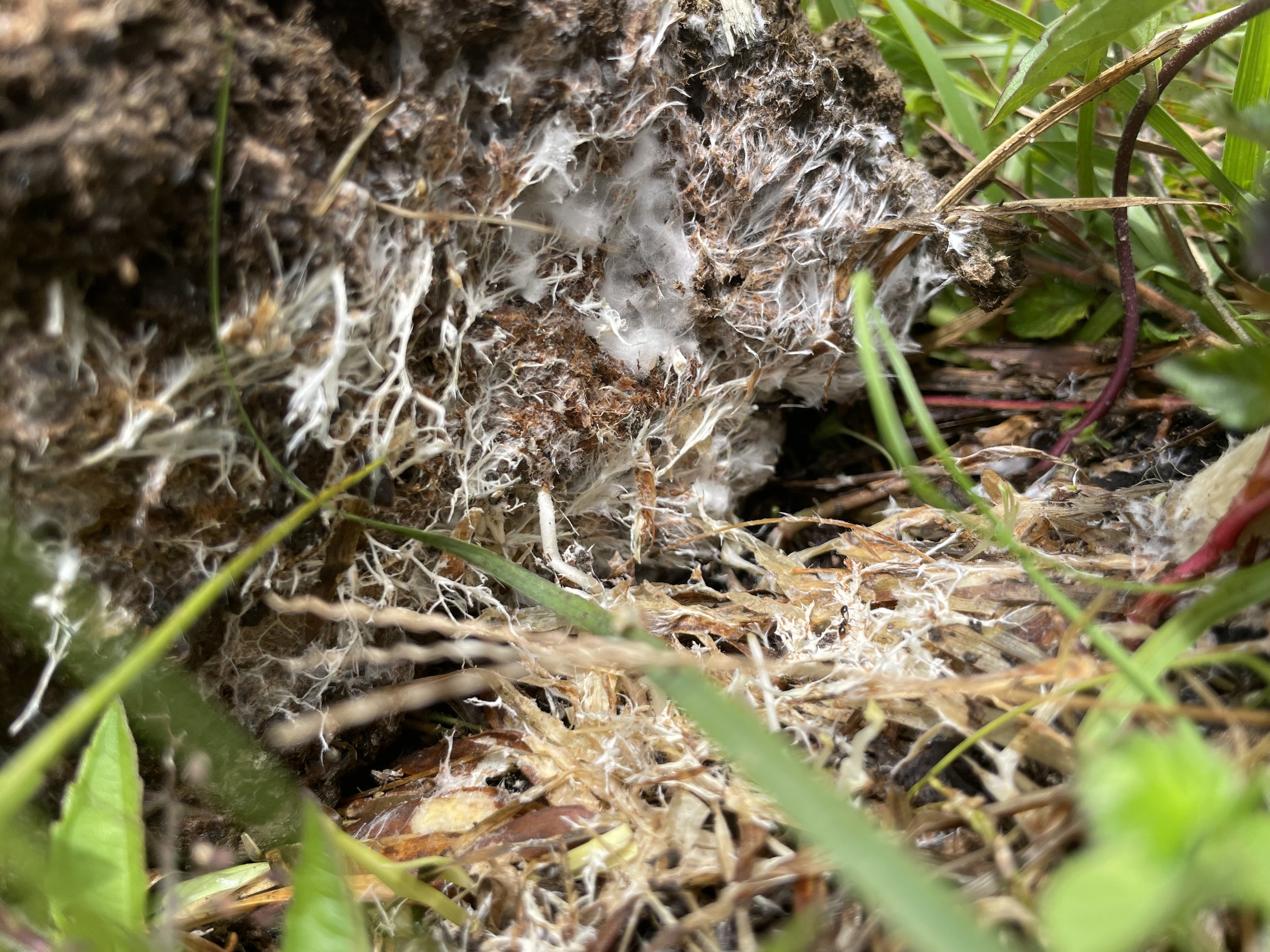
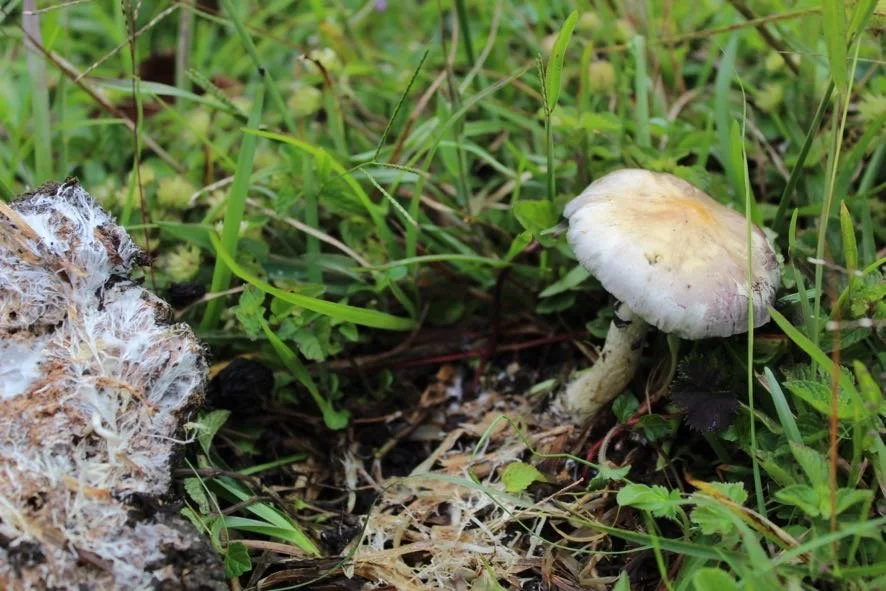
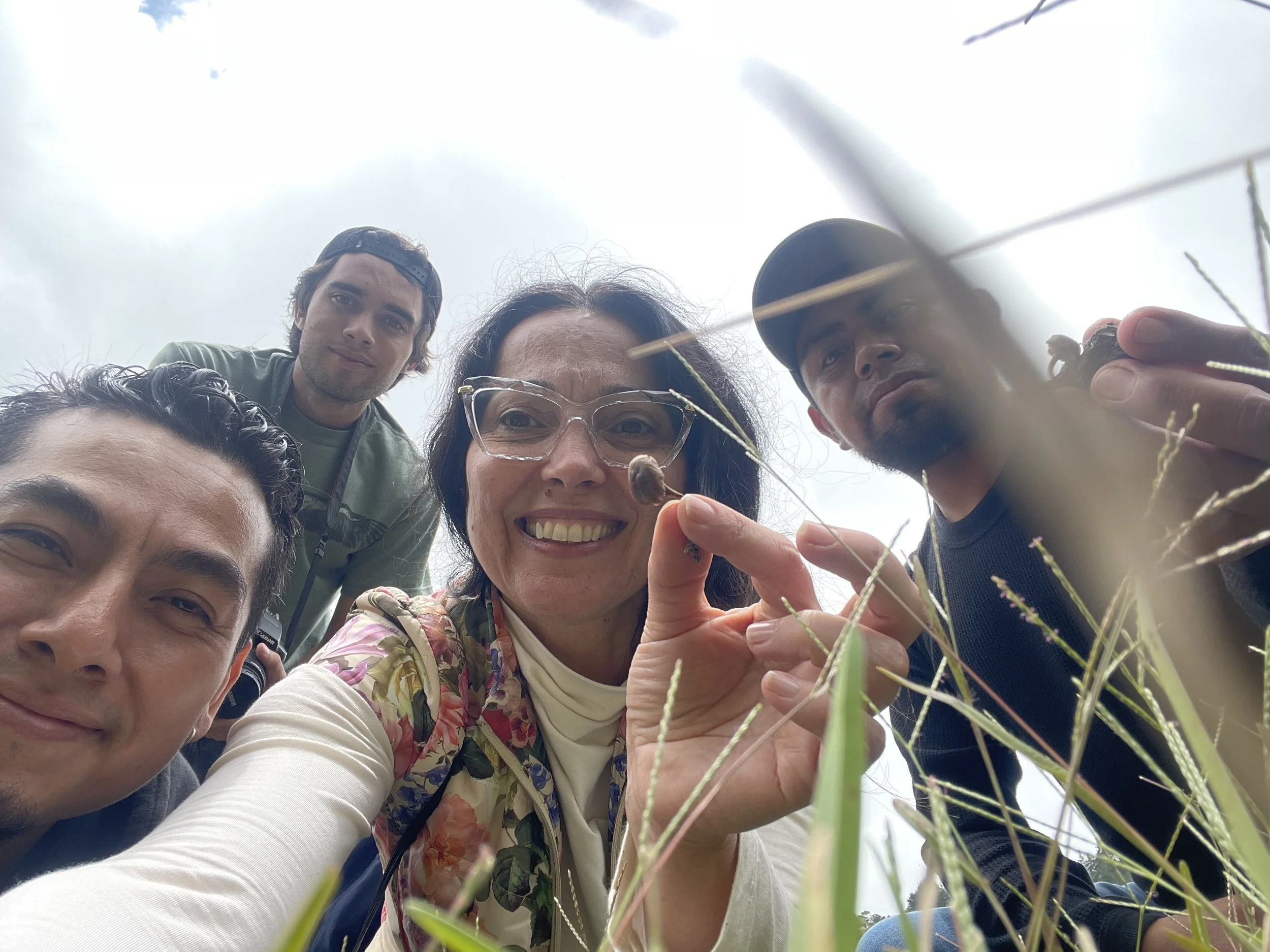
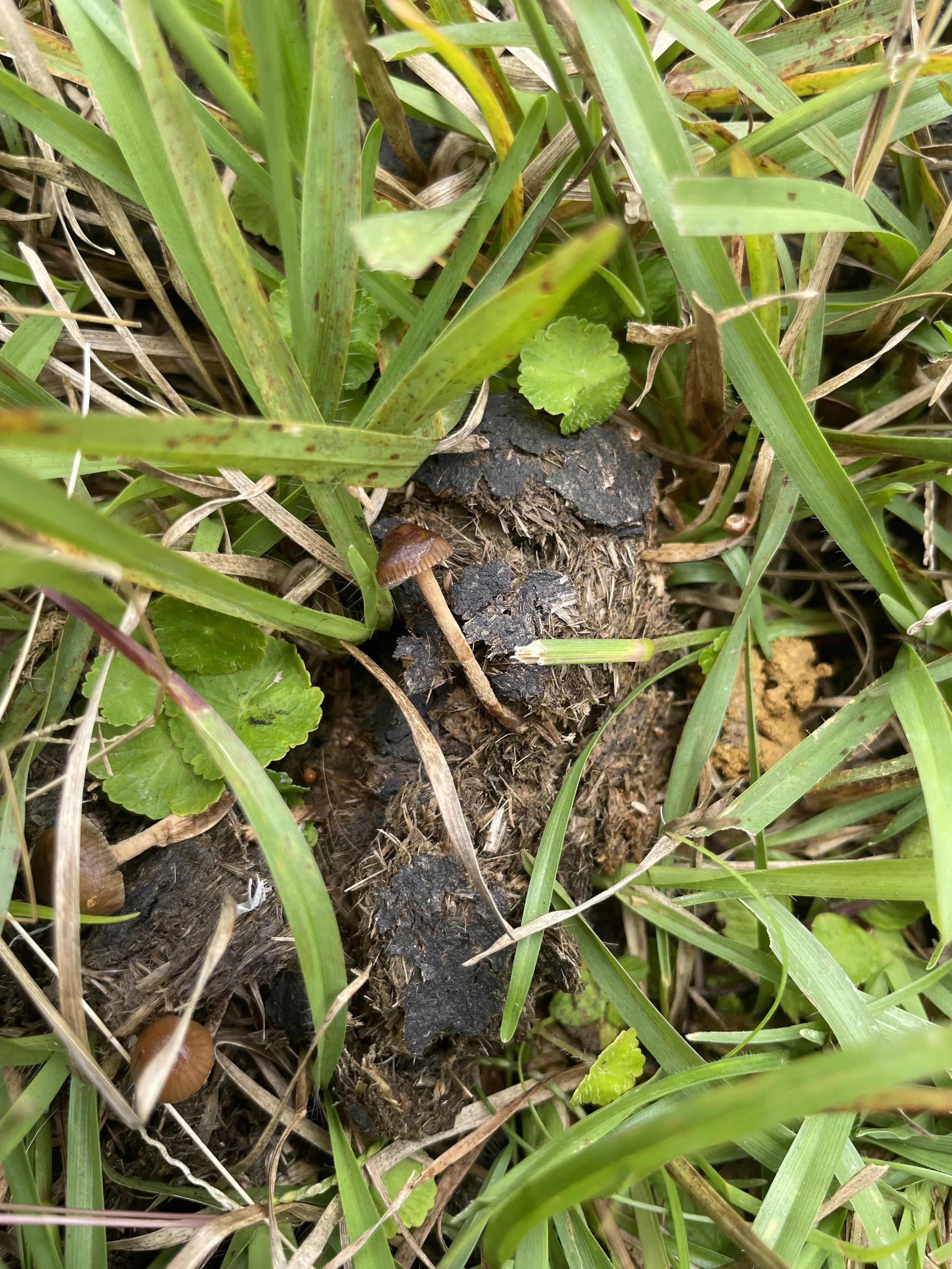
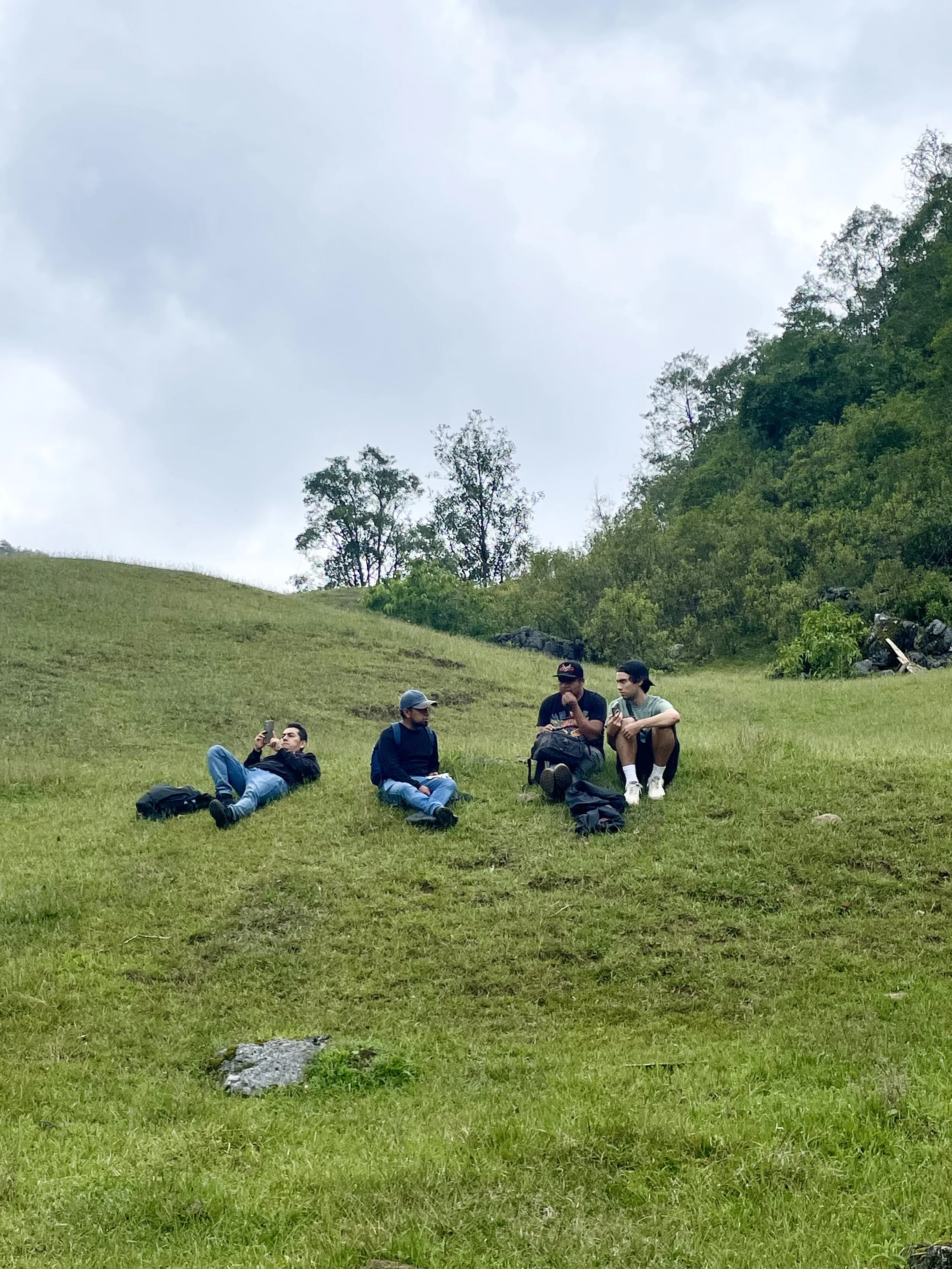
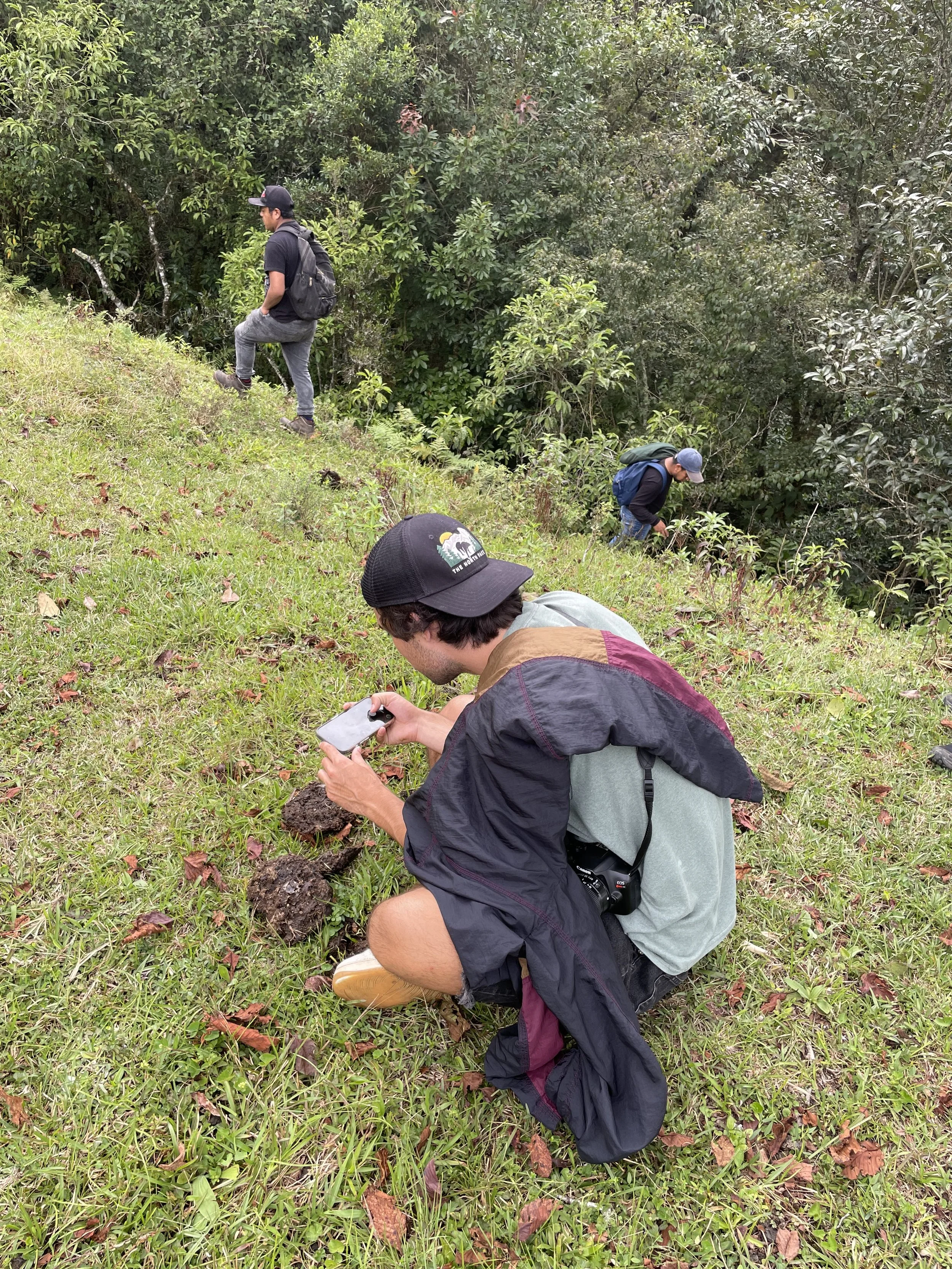
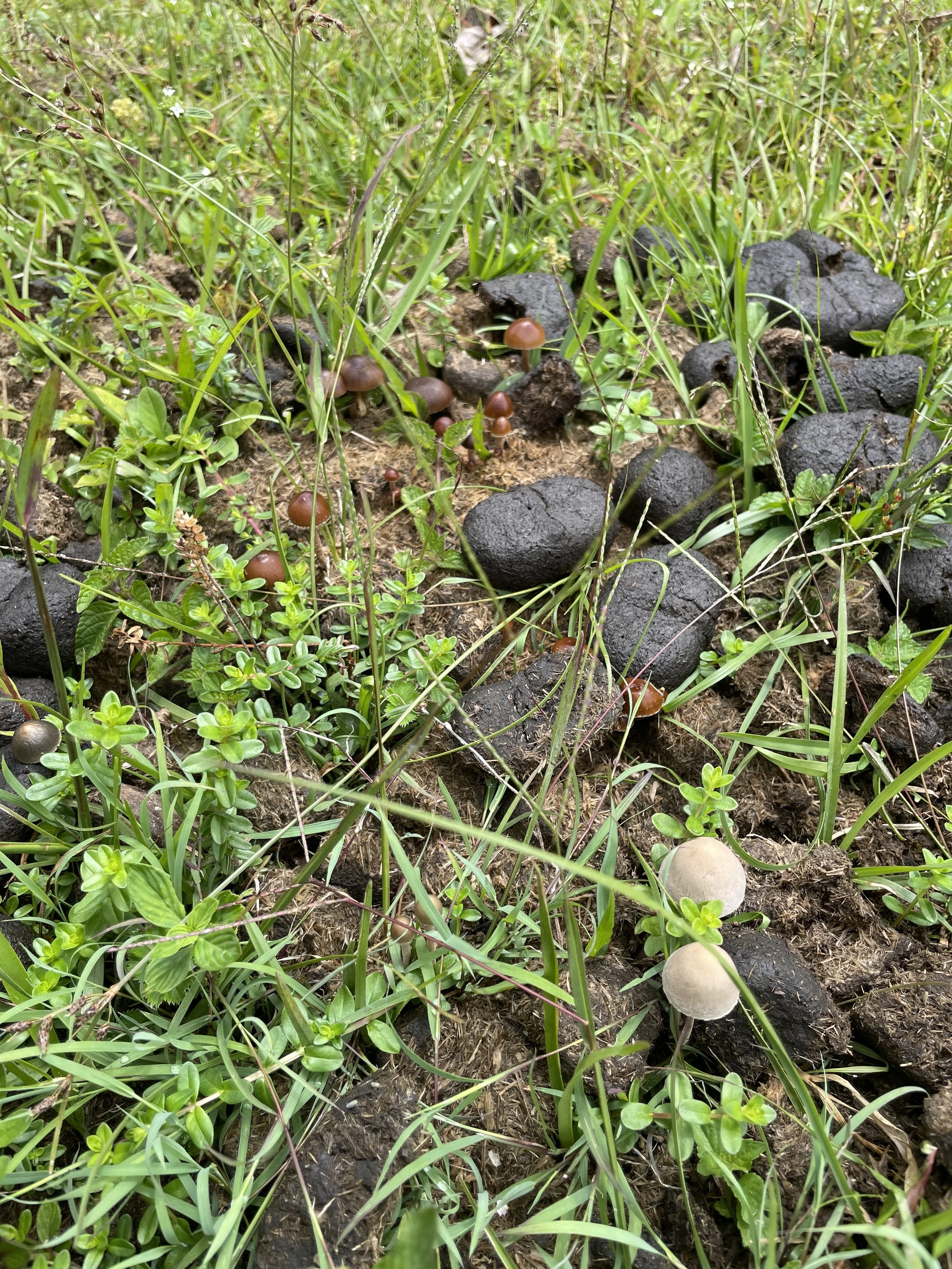
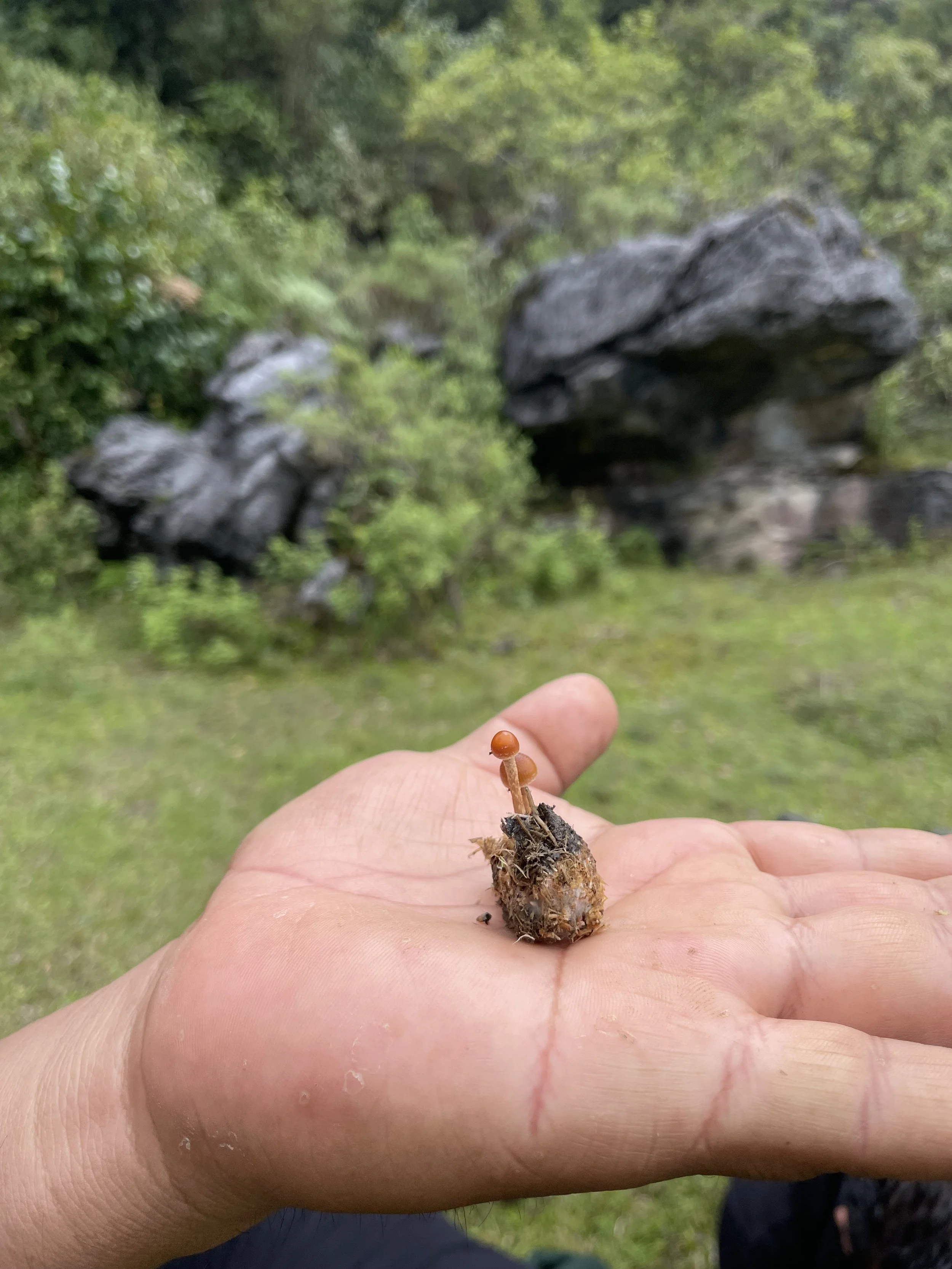
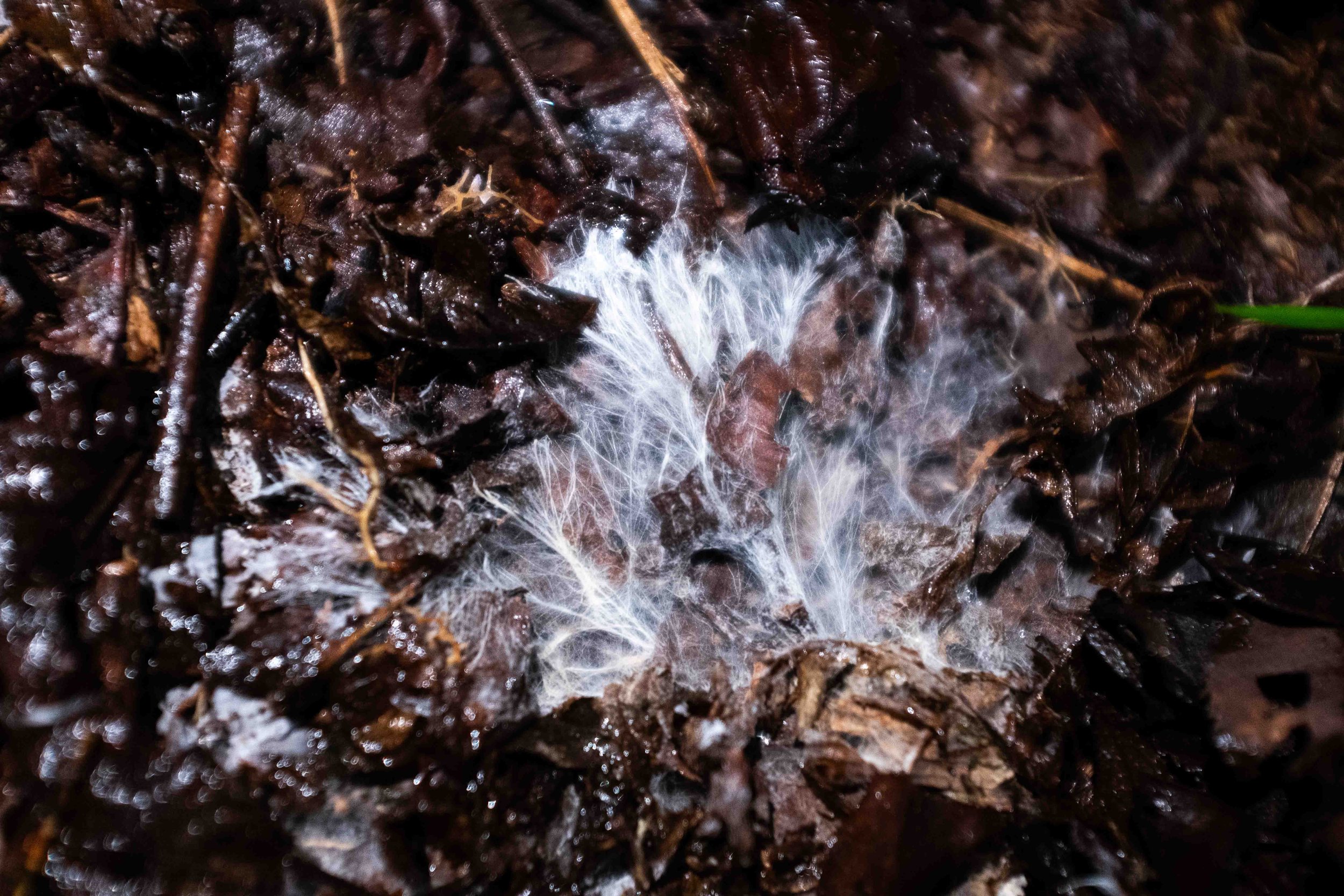
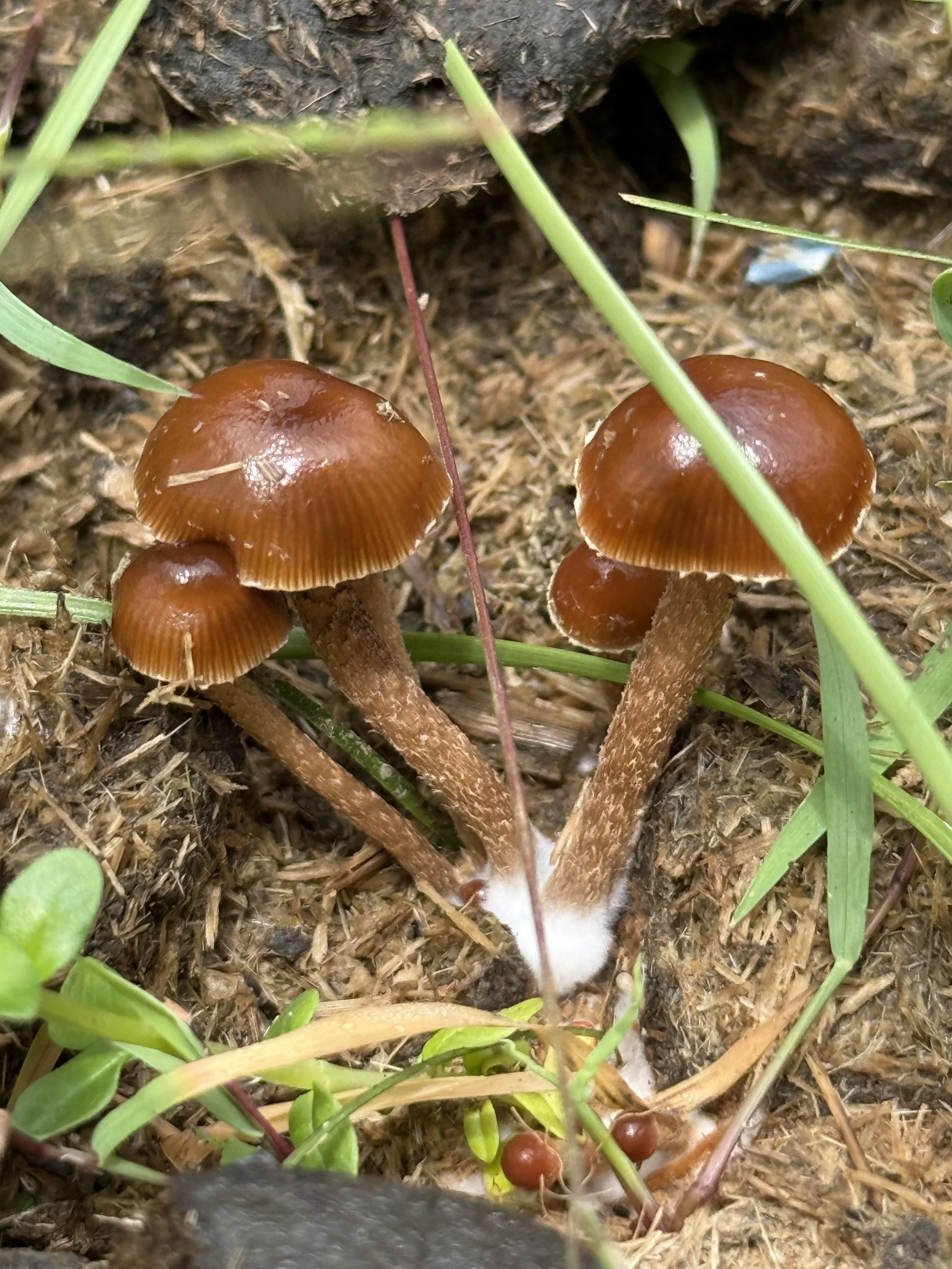
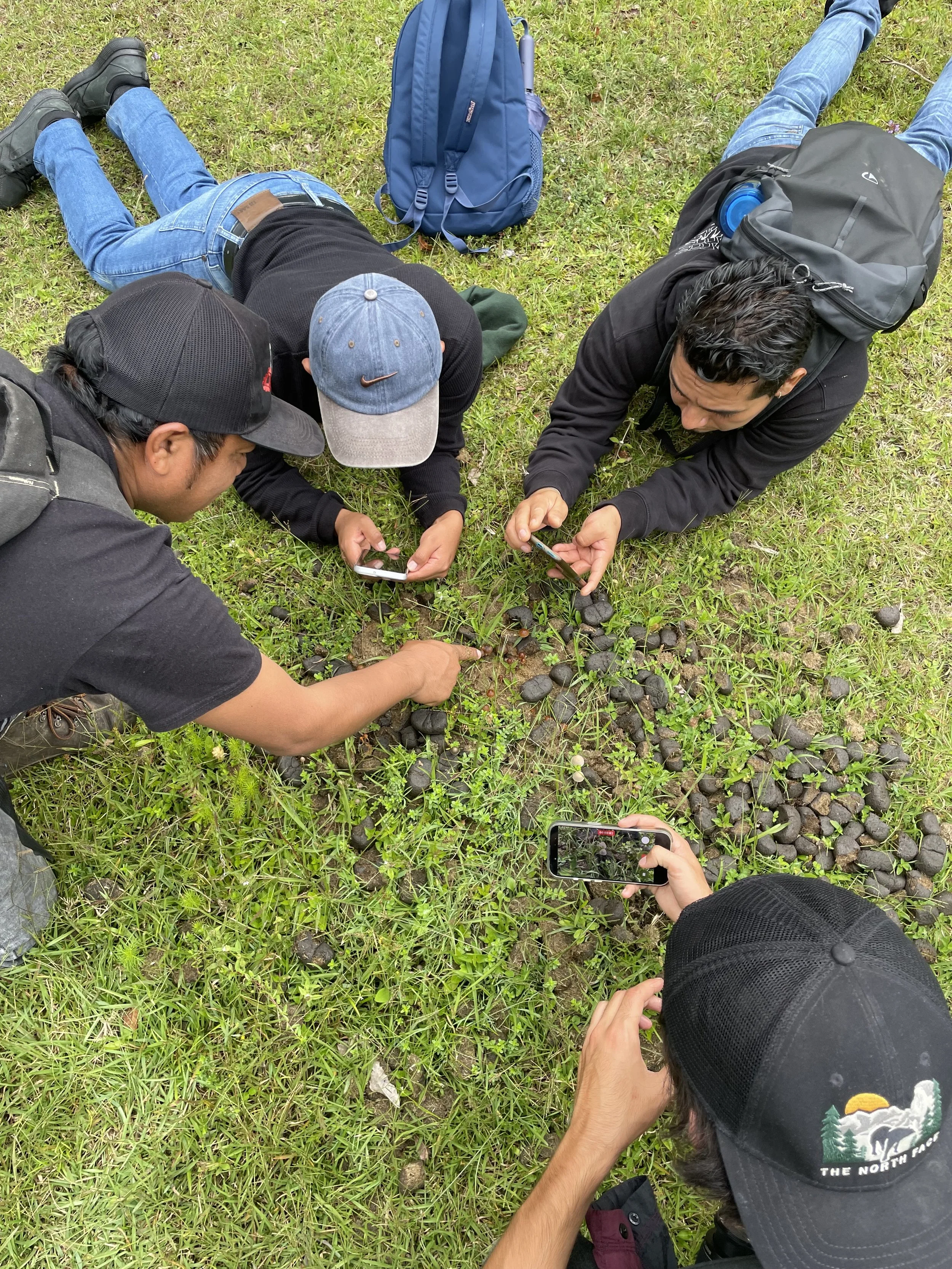
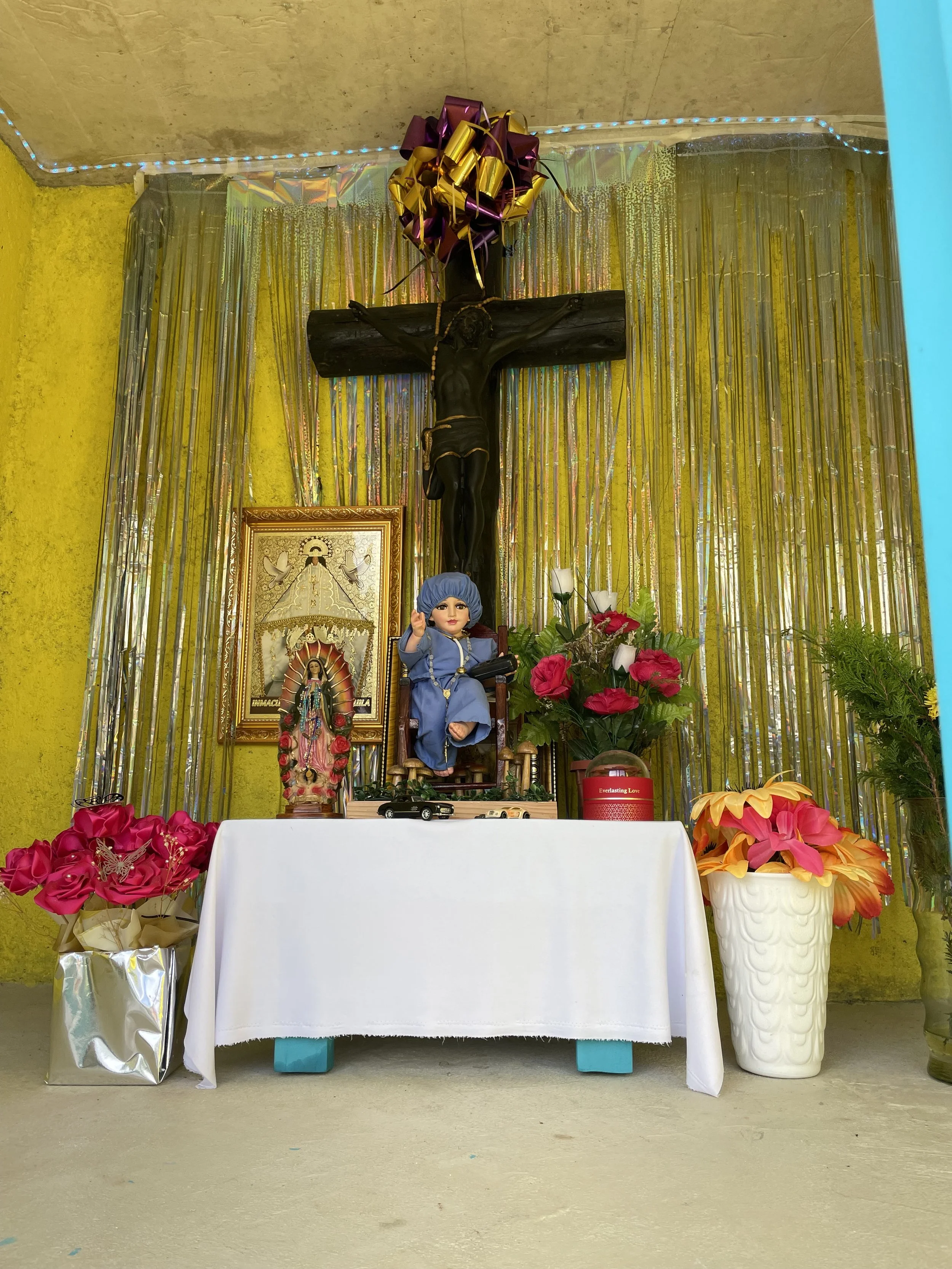
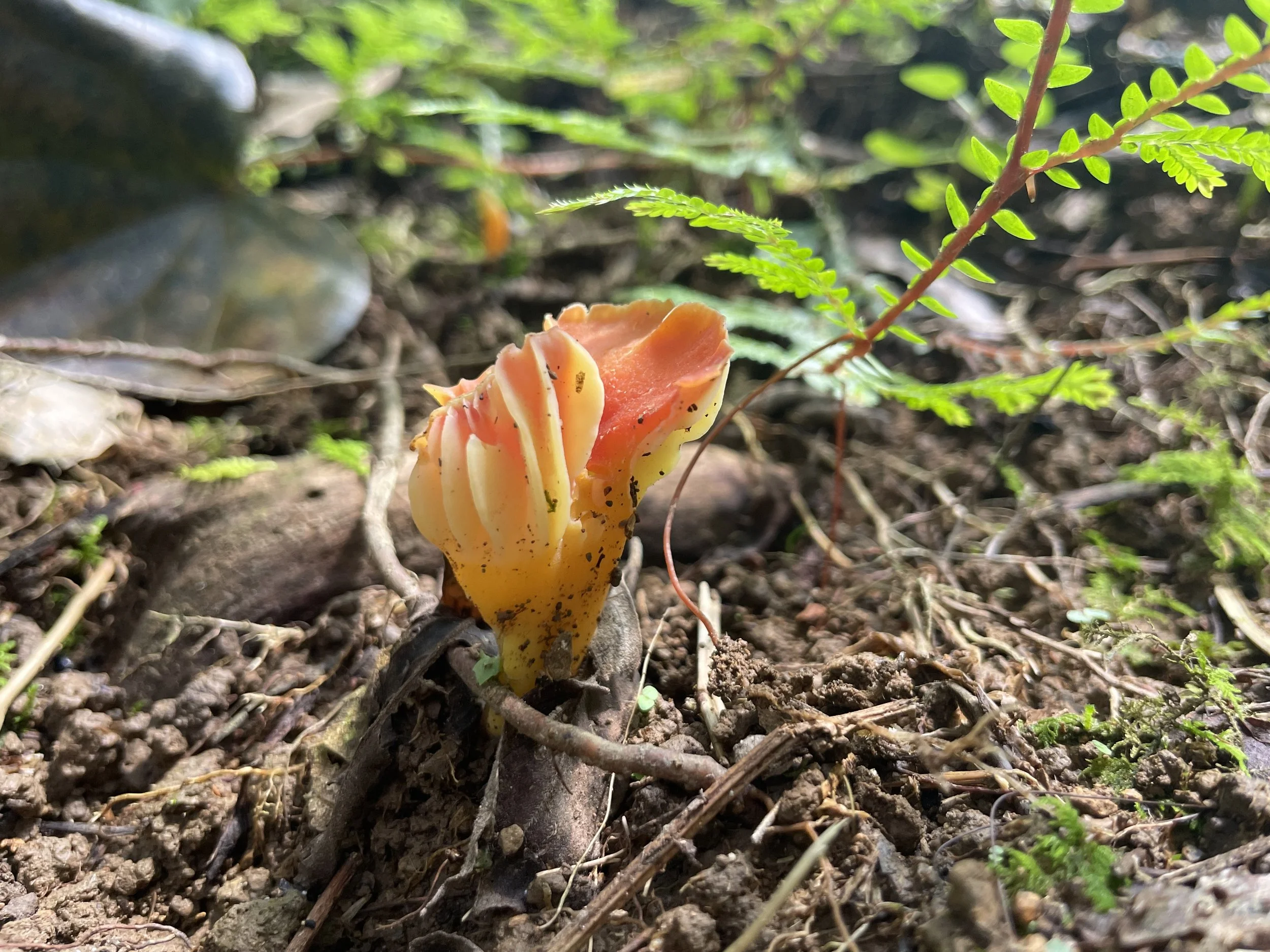
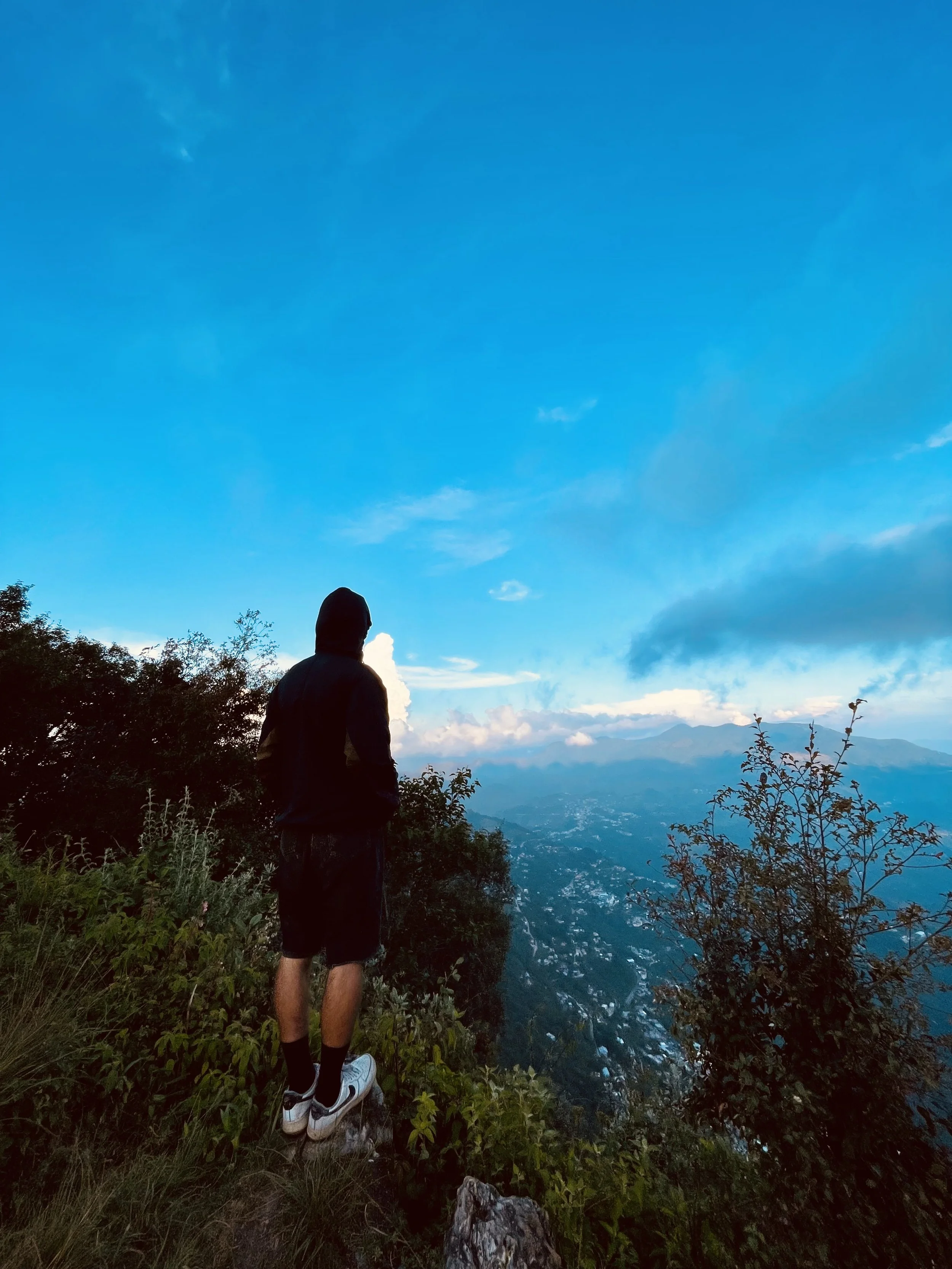
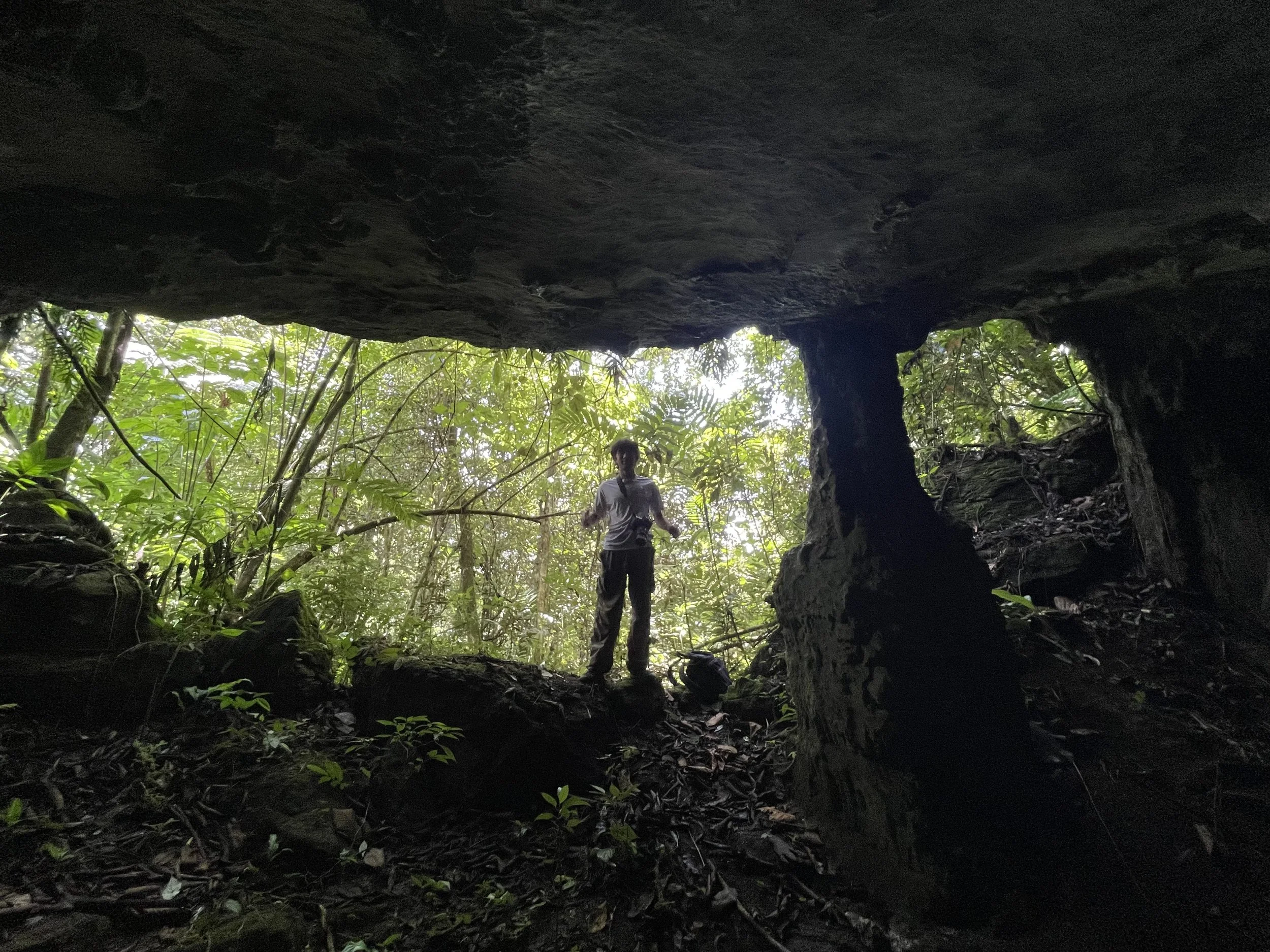
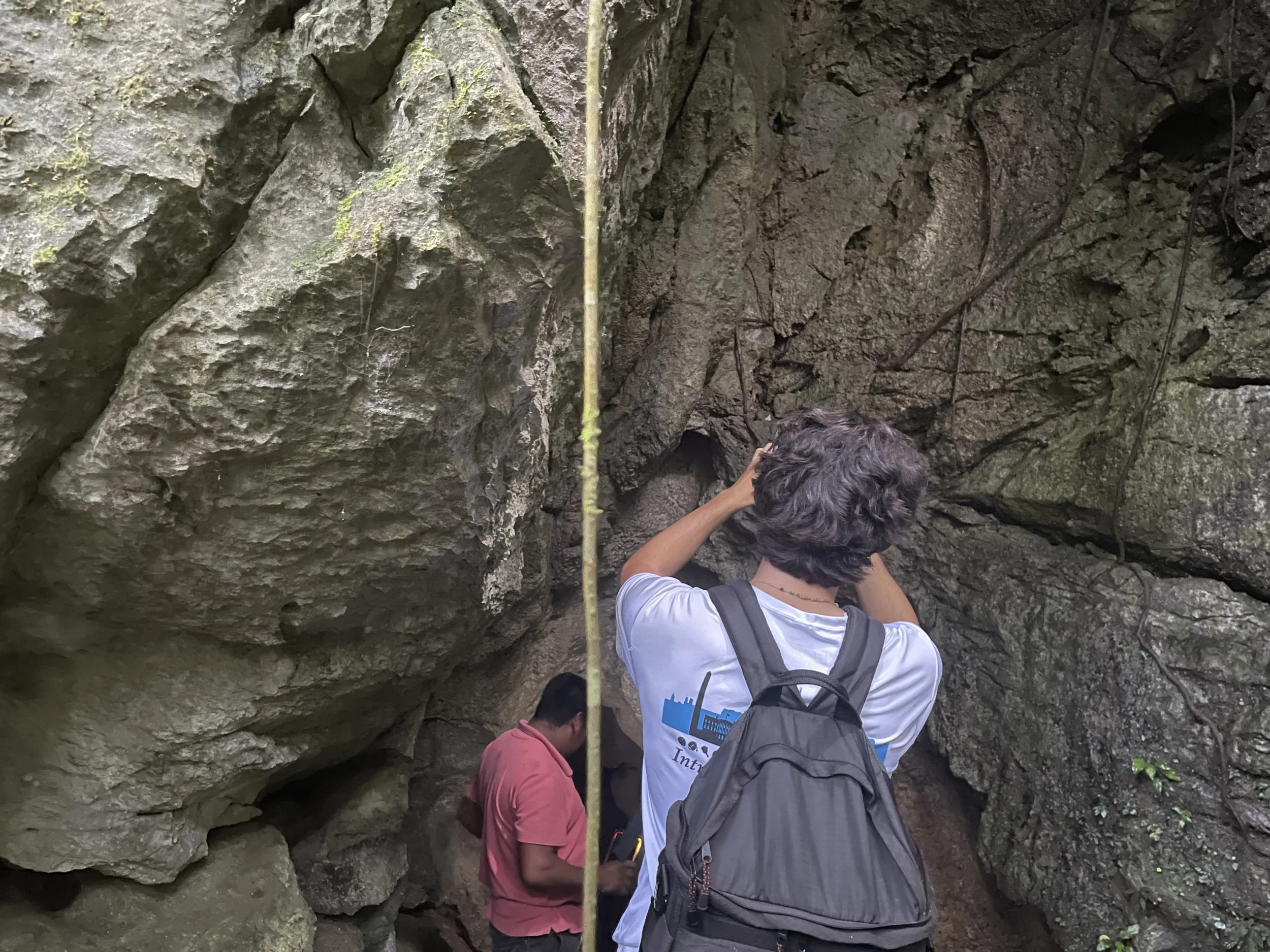
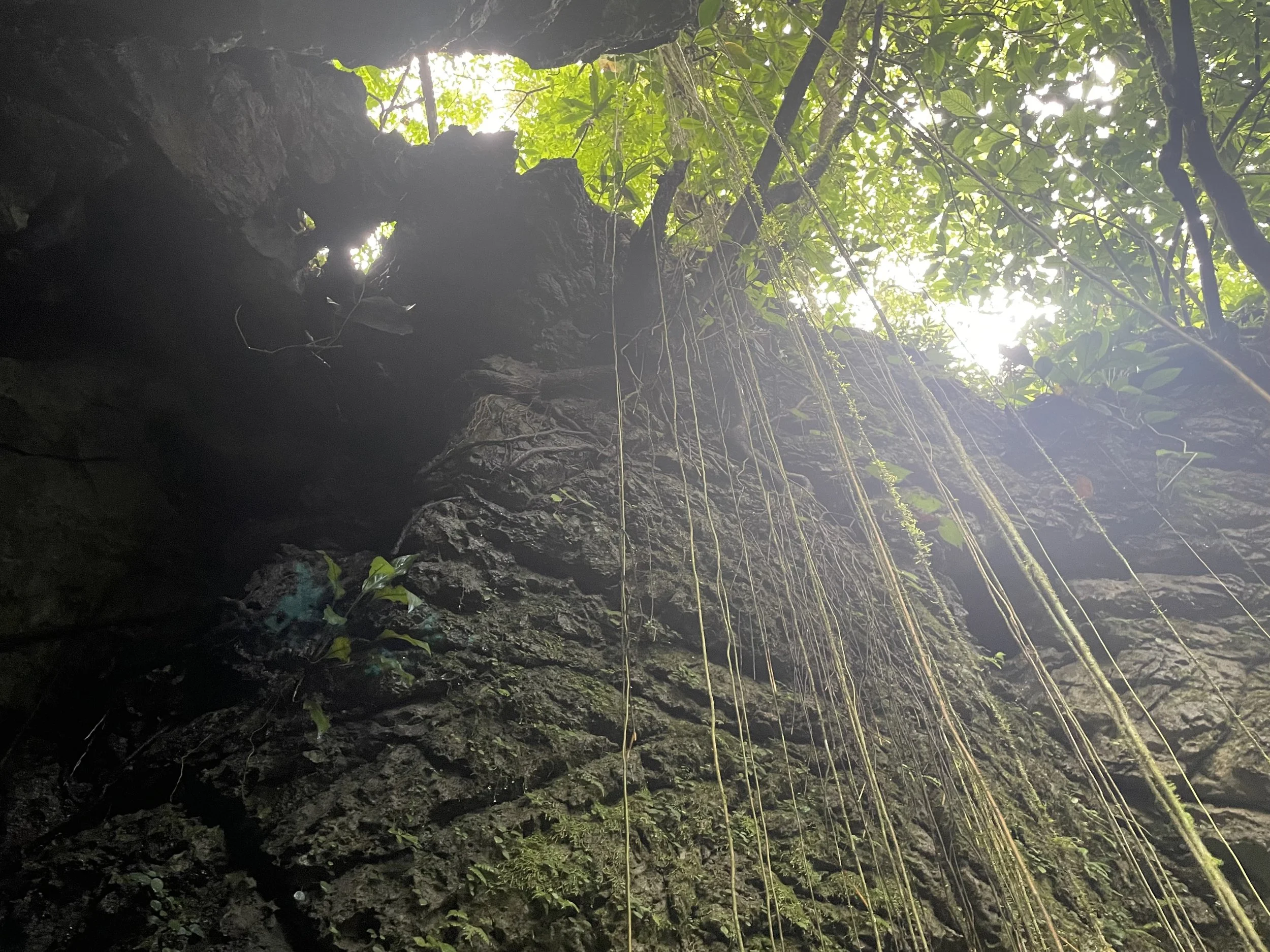
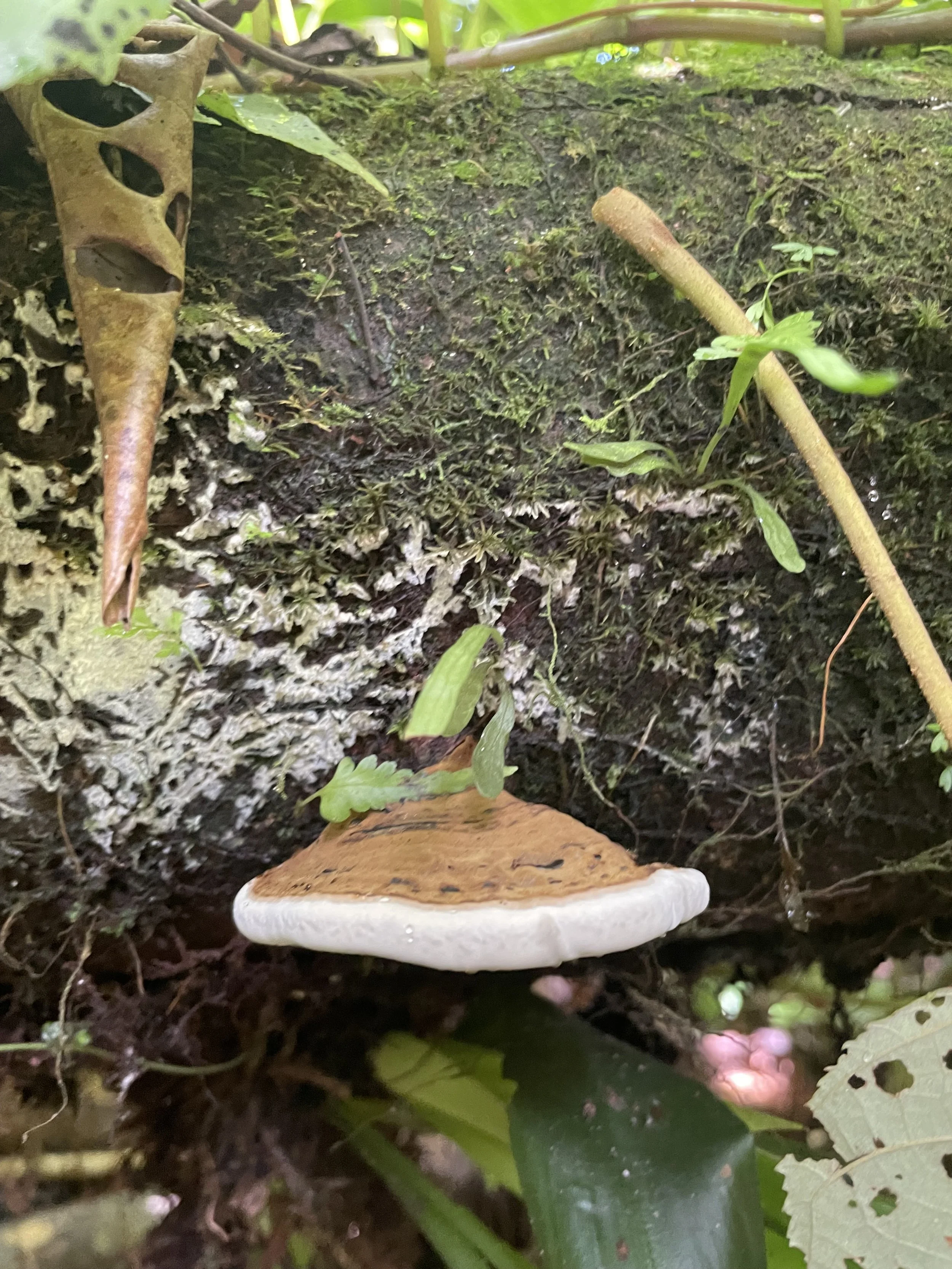
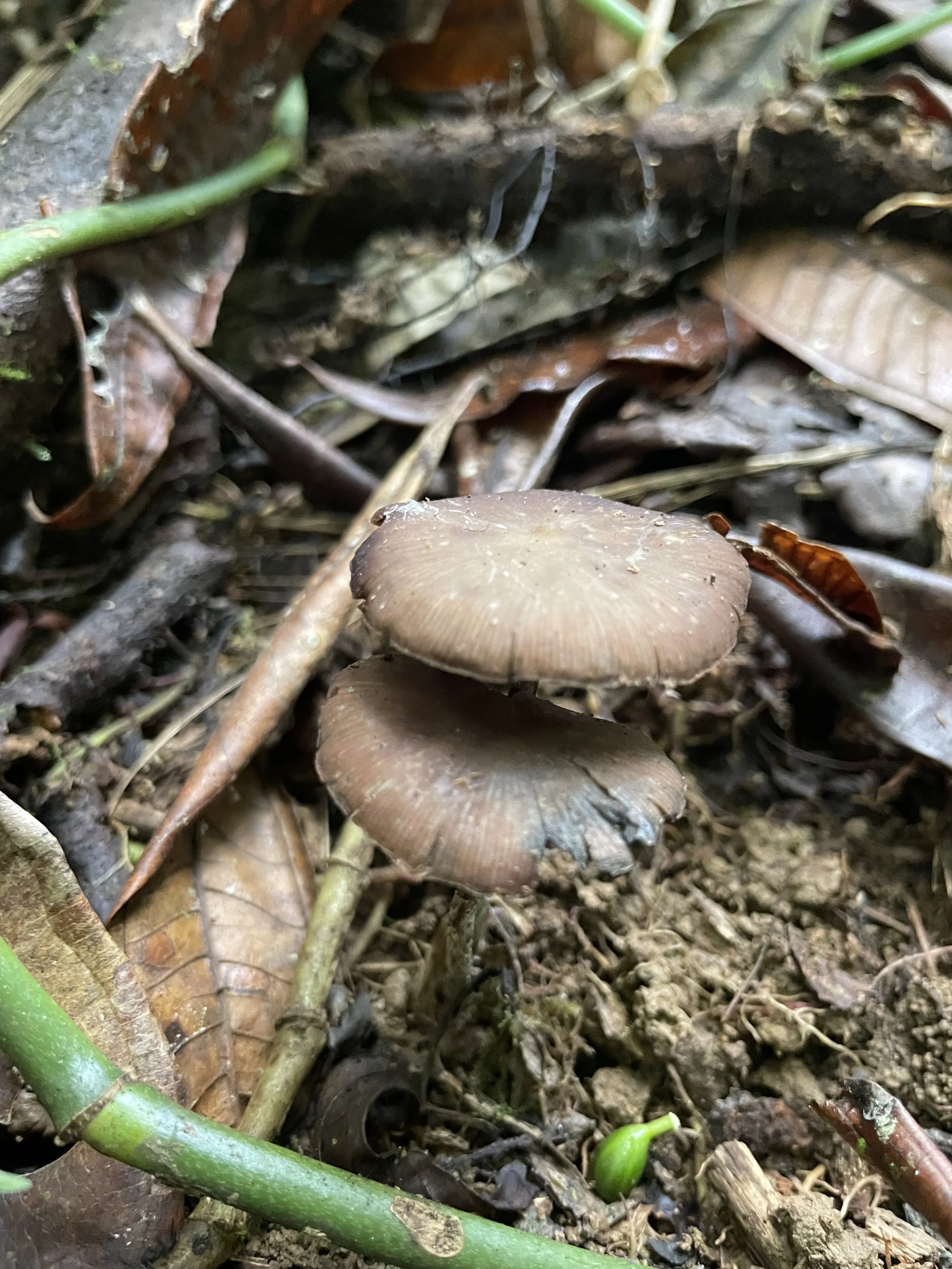
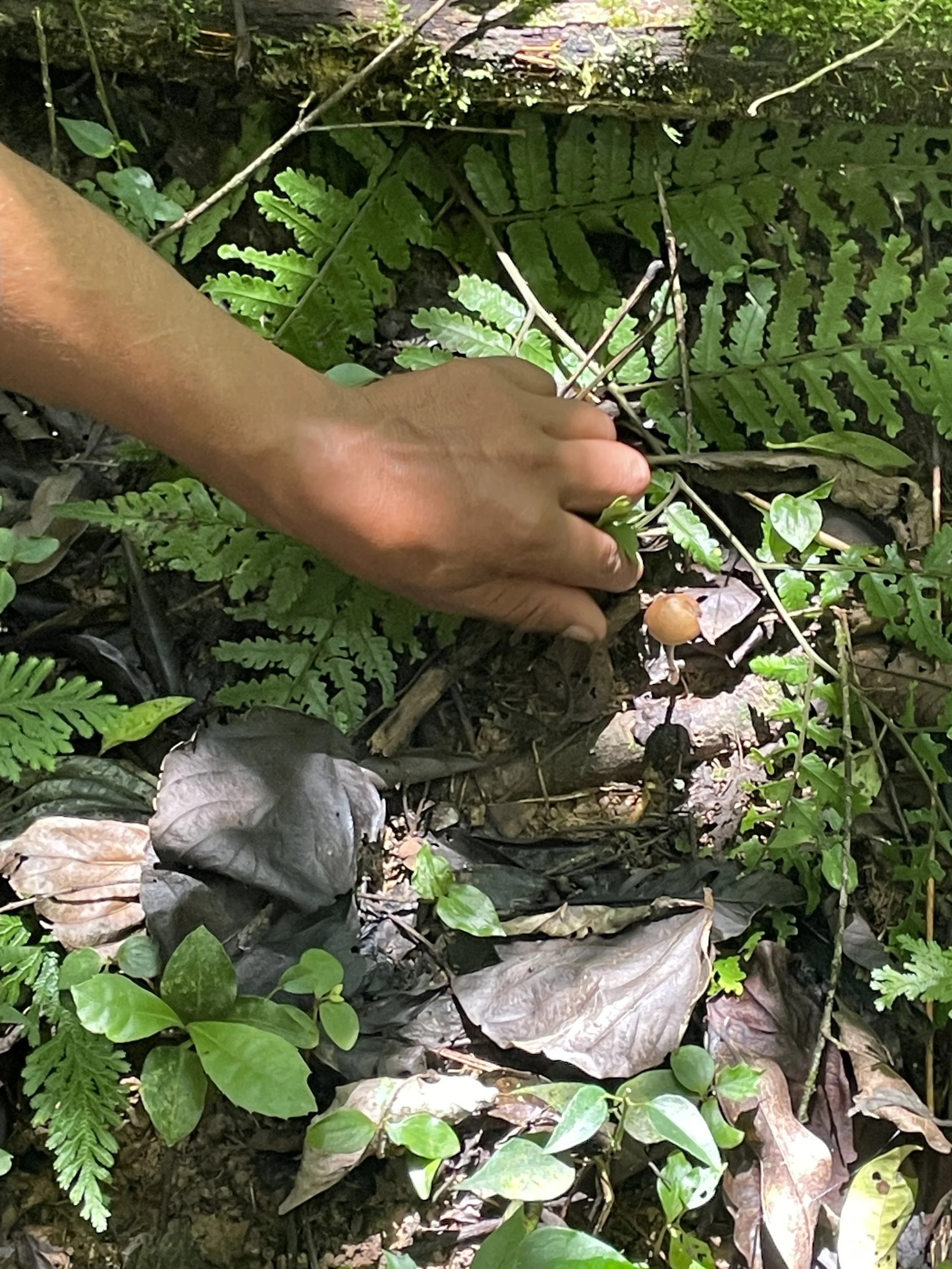
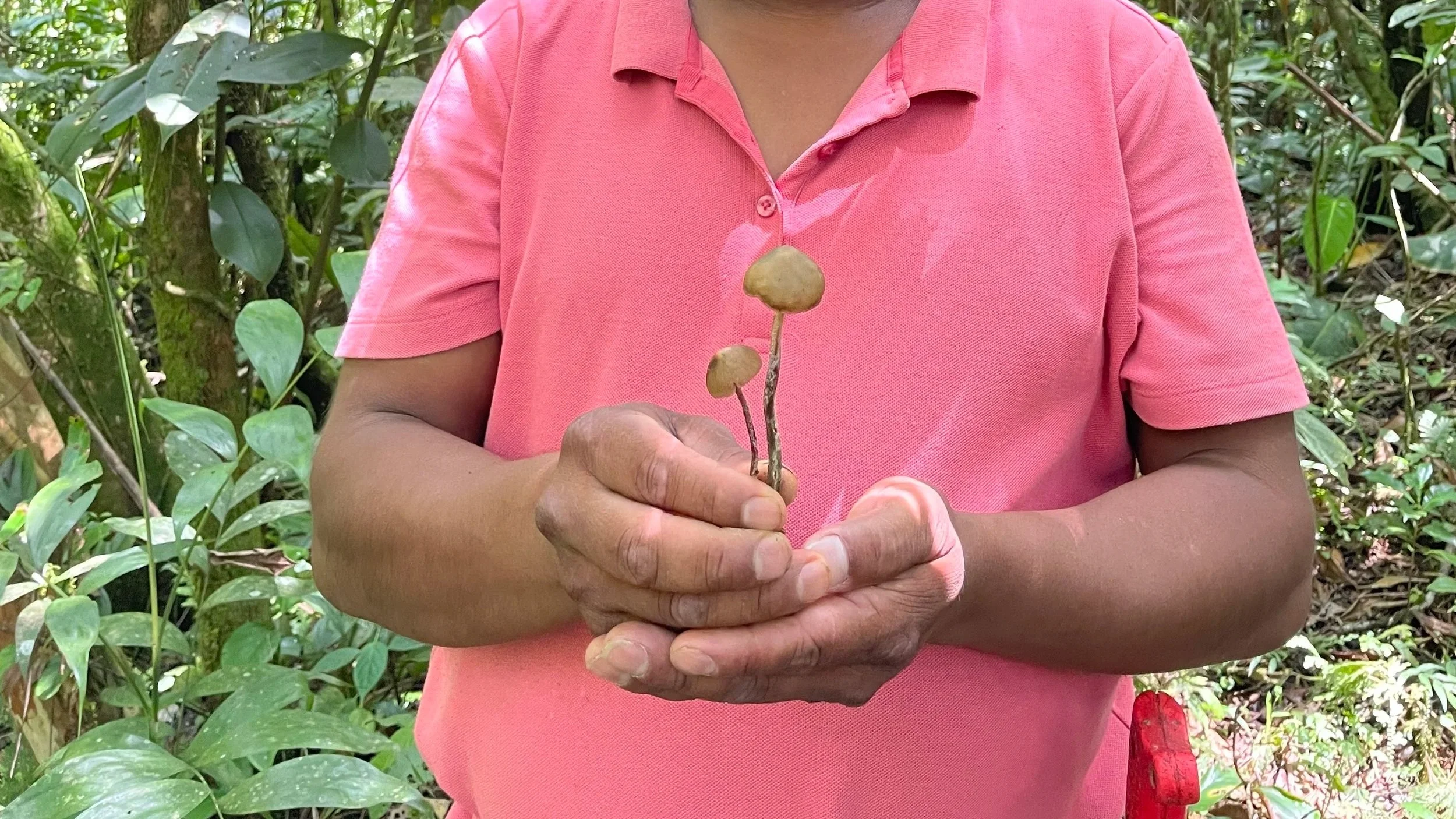
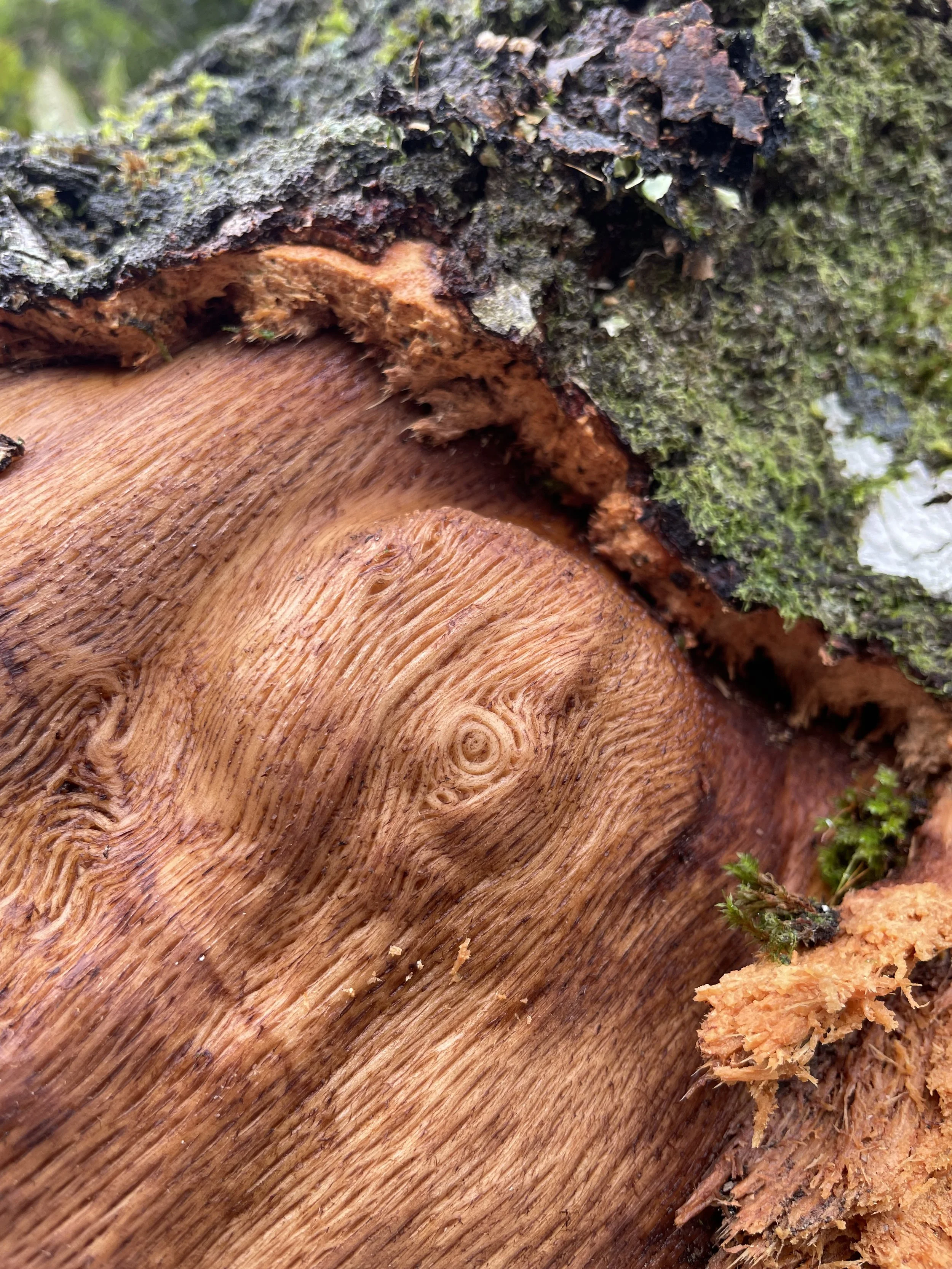
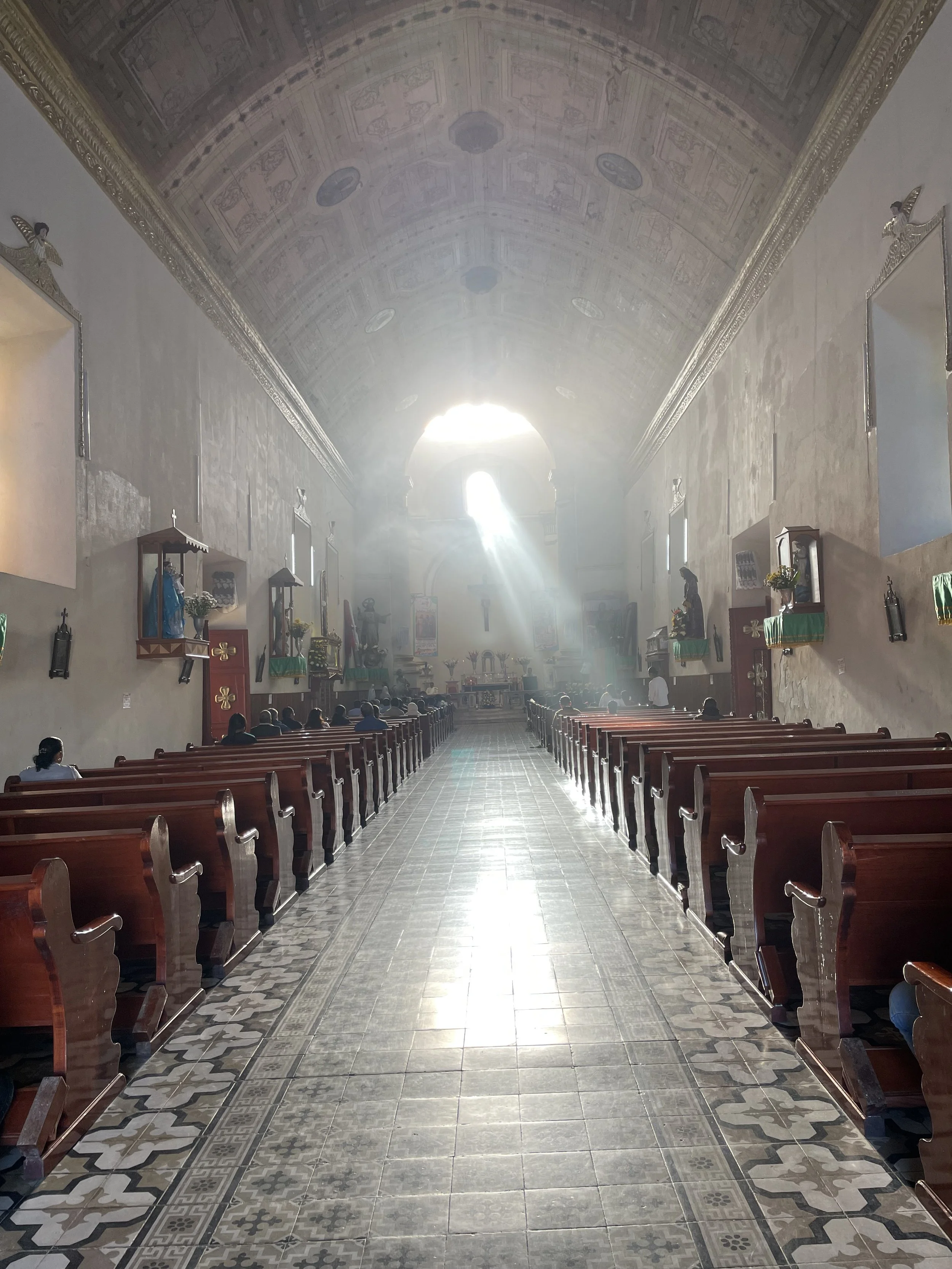
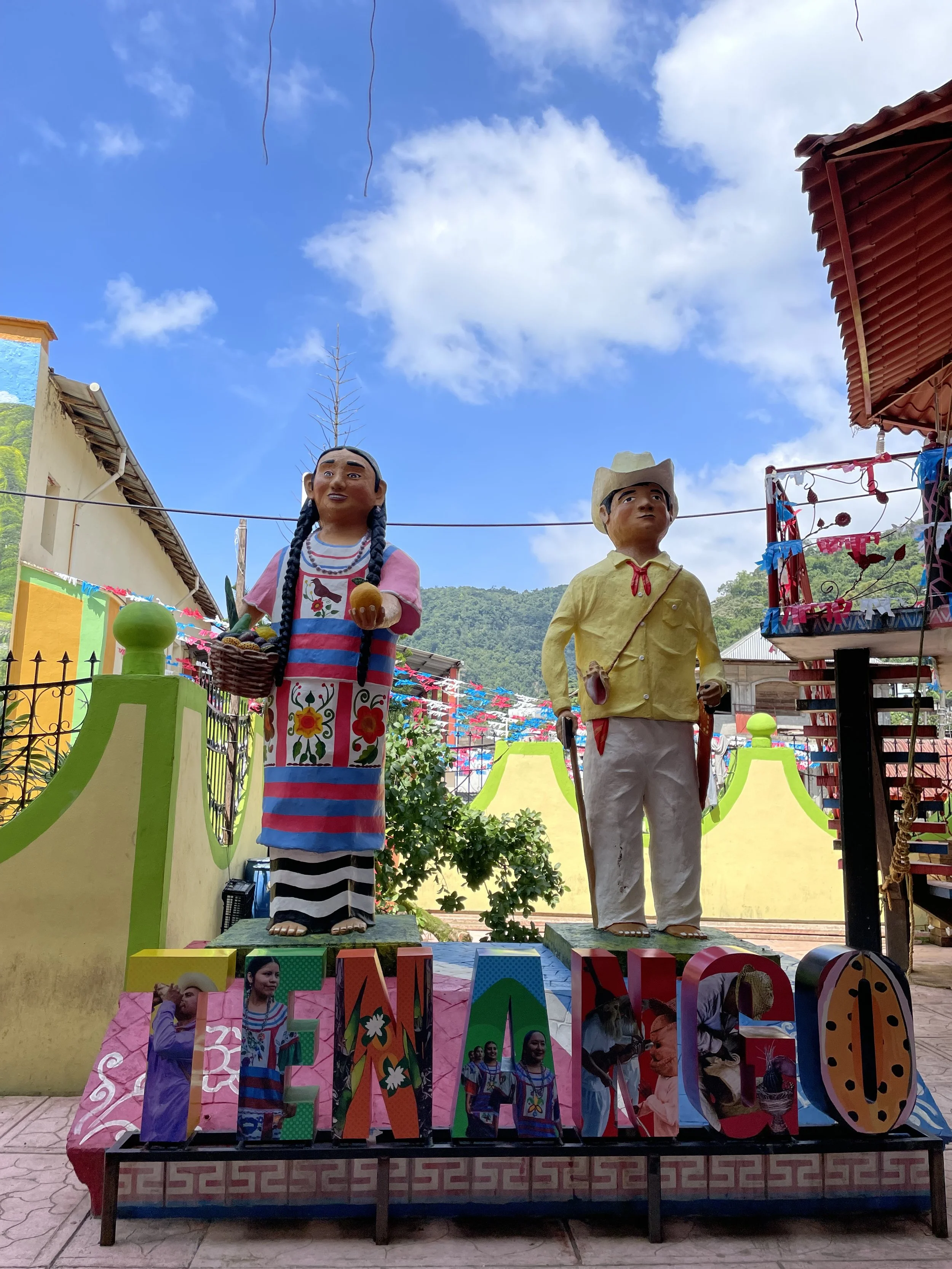
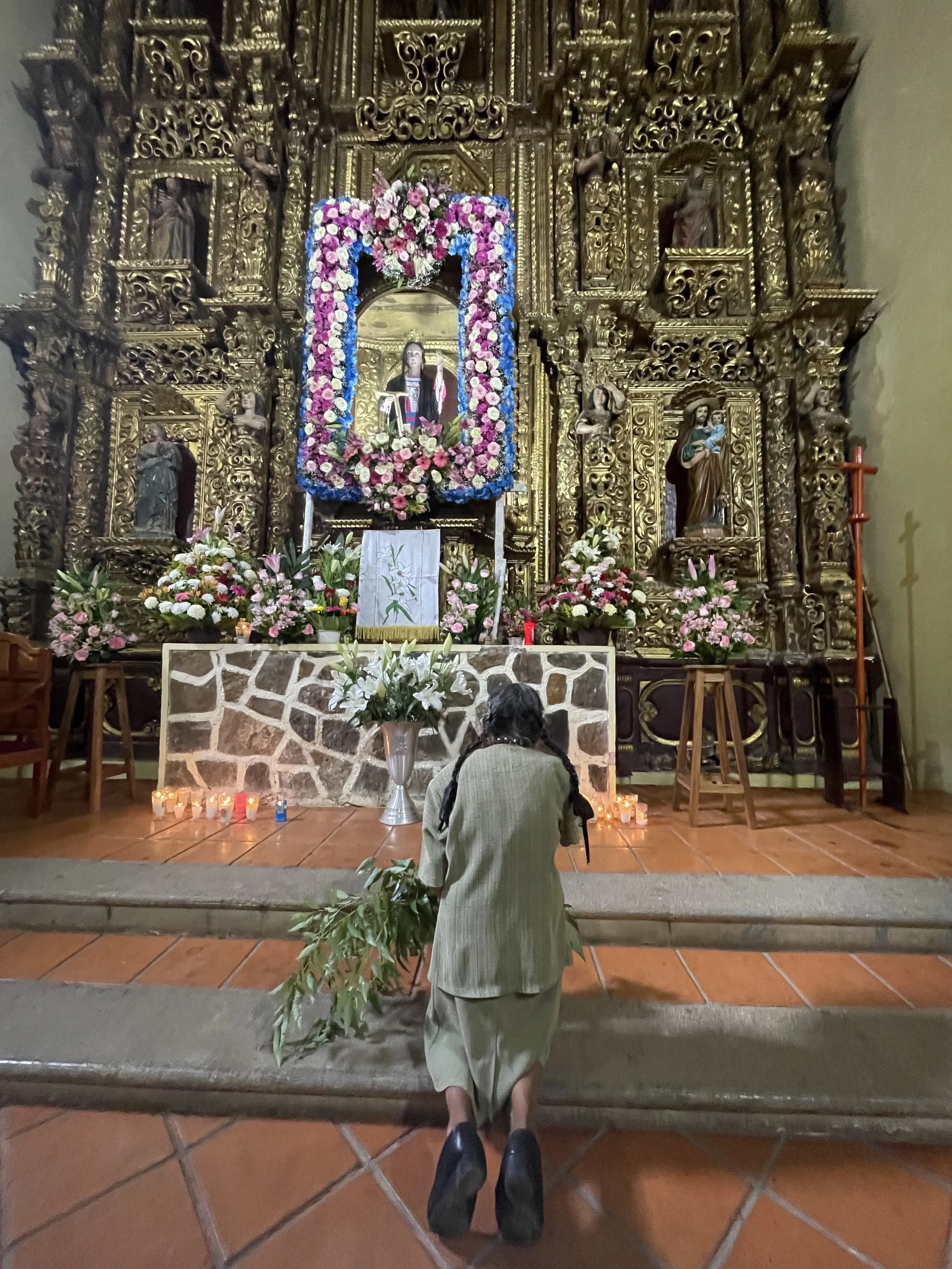
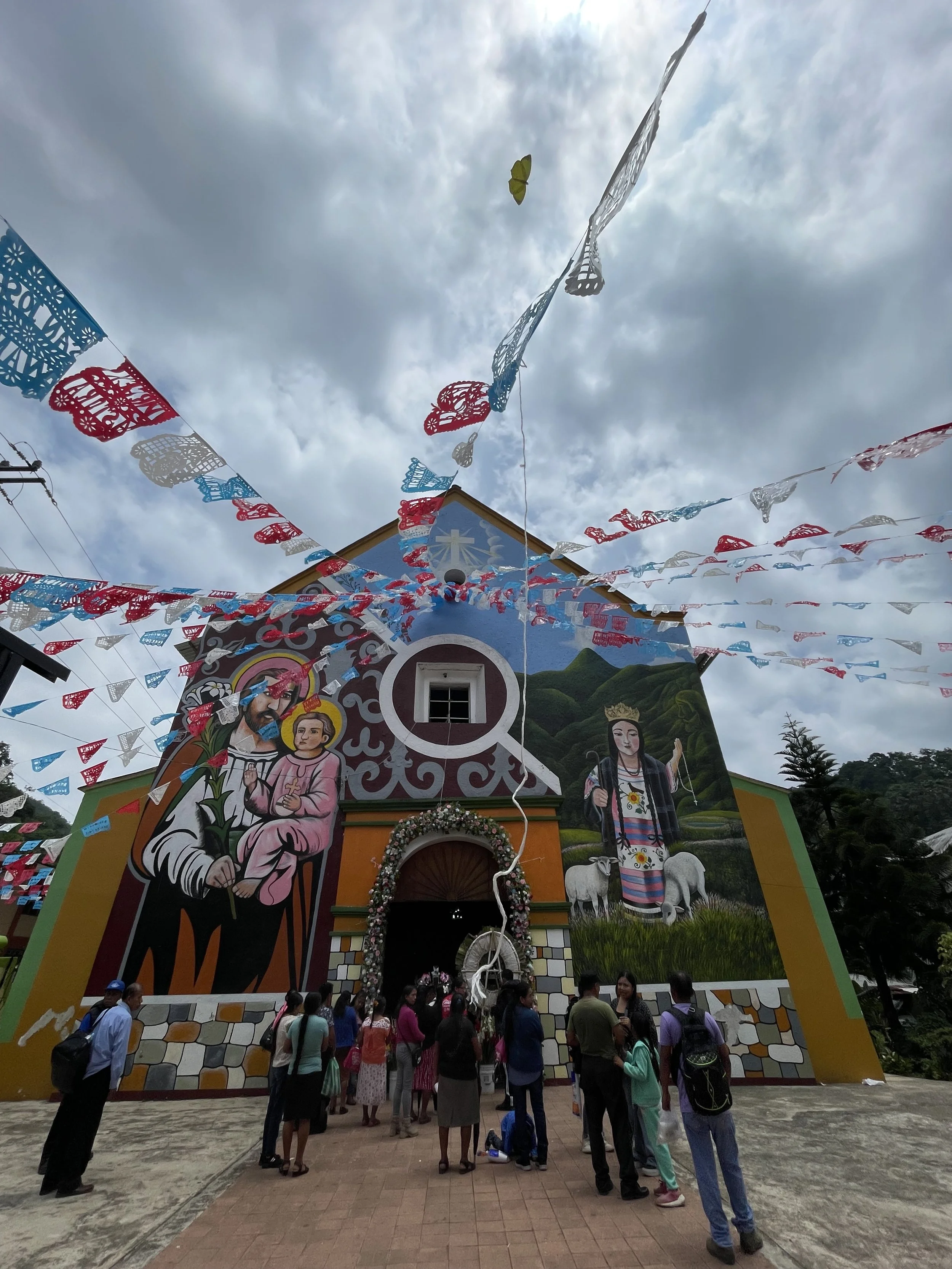
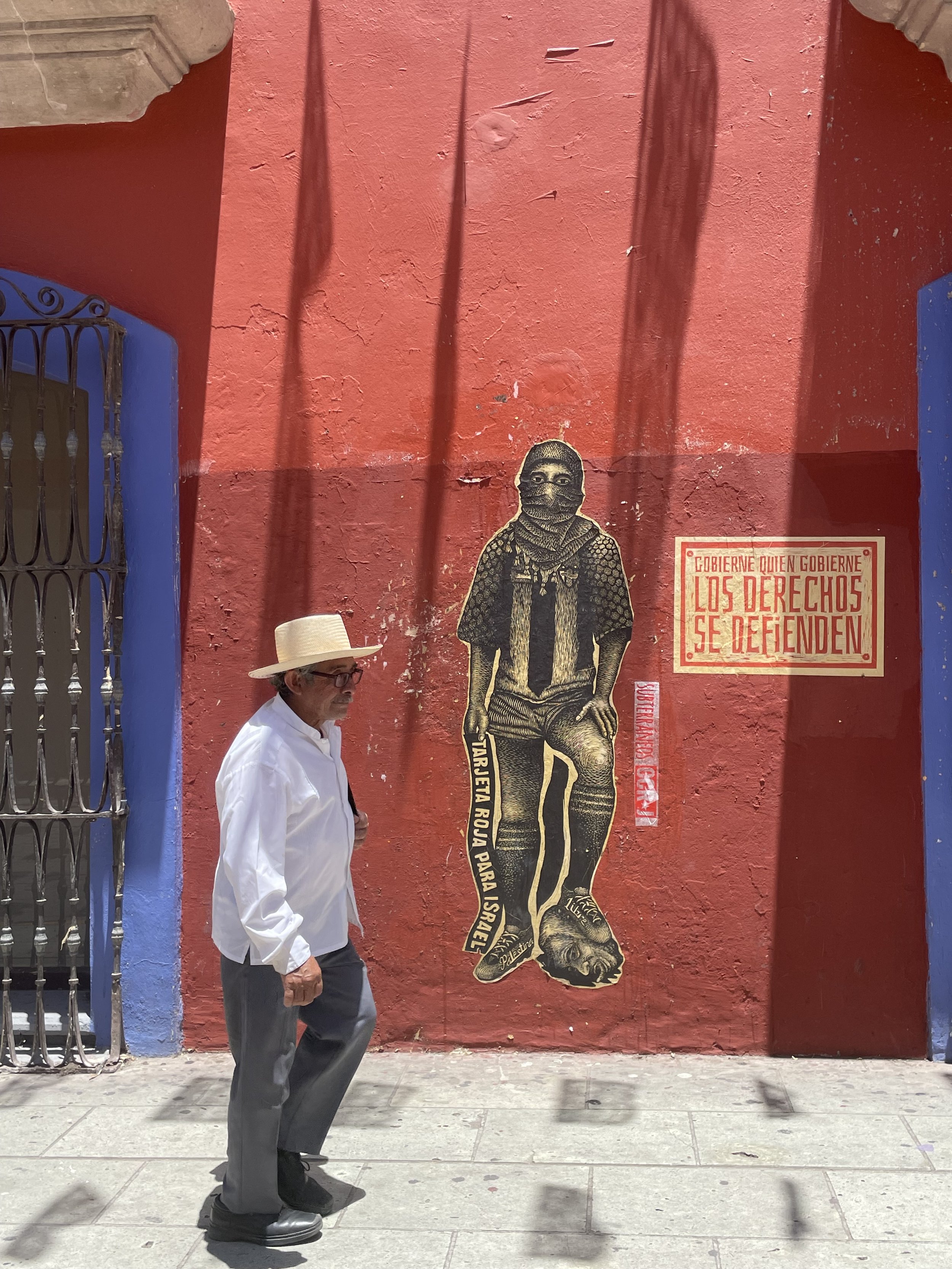
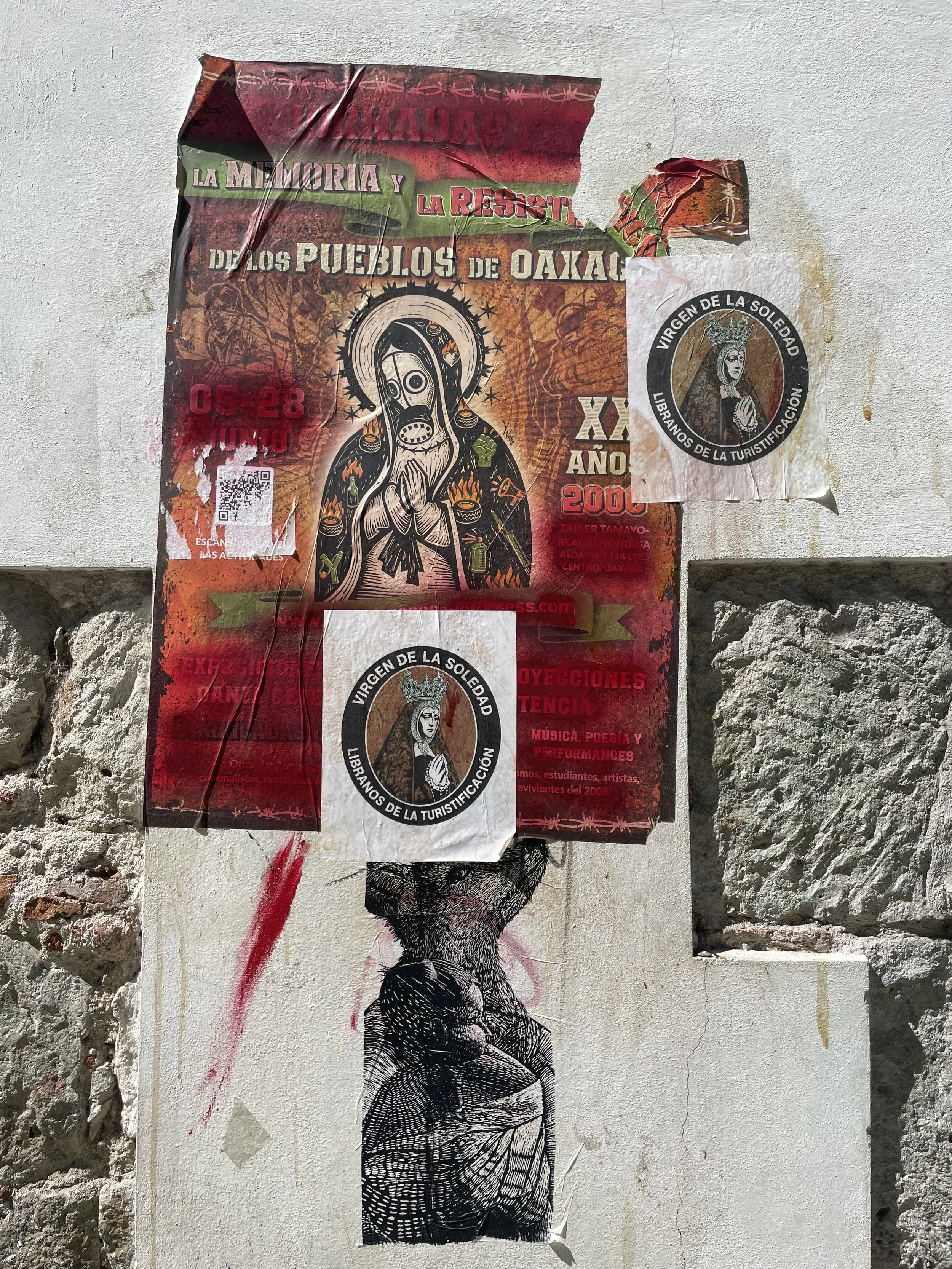
Ten seconds of life. A passing gaze, a rustle of leaves, a song drifting from a car radio, the quiet rhythms of everyday life. Fleeting encounters with the many worlds we inhabit, sense, and share.
Diez segundos de vida. Una mirada fugaz, el susurro de las hojas, una canción que llega desde la radio de un coche, los ritmos pausados de la vida cotidiana. Encuentros fugaces con los múltiples mundos que habitamos, sentimos y compartimos.
¡Somos la voz que emerge de lo profundo!
La que se entrelaza con la raíz de árbol sagrado,
Somos los pequeños que brotan de la madre tierra
Los tiernos, pequeños, Niños Santos.
Los antiguos abuelos nos respetaban
y nos cuidaban con gran delicadeza
nuestra abuela nos mostró el camino
con velas y copal trazo el horizonte.
aquella que con su fuerza danzaba
con la lluvia, el rio y el viento
ricas eran sus ofrendas perfumadas
del dulce néctar de las reinas.
Mas ahora los hijos me han deshonrado
ya no nos protegen ni tampoco nos alimentan
se burlan, nos ensucian y pisotean
por qué ahora intercambian el oro por acero.
Aquí estamos, aquí seguimos
Mientras el tiempo lo permita
Solo cuiden del bosque
Que de ahí provienen vida.
Jesús Eugenio García Martínez
Huautla de Jiménez, 2026
Niños Santos
Publications and Research Output
Conferences
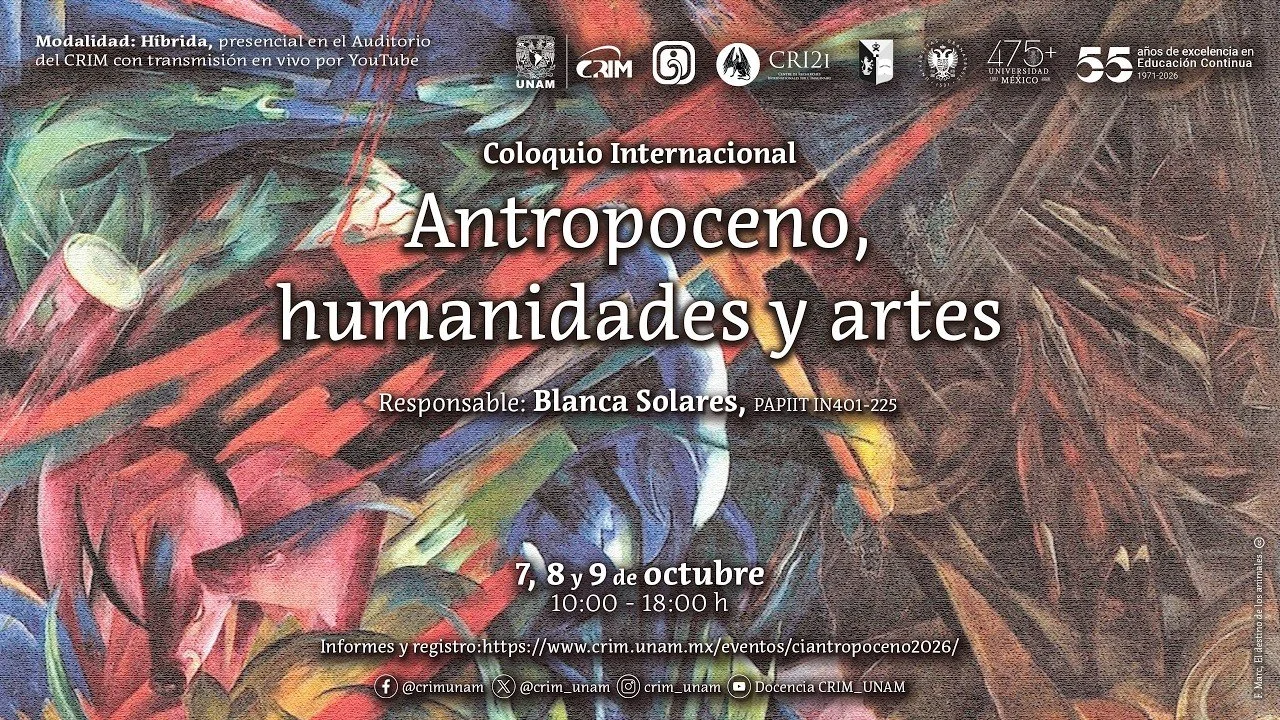
2026, Mexico
Sentipensar con la Sierra Mazateca. Etnografía de una tierra herida, Annalisa Butticci
ANTROPOCENO, HUMANIDADES Y ARTES
CRIM, UNAM - OCTOBER 2026

2026, USA
When the Sacred Mushrooms Withdraw. A More-than-Human Critique of EcoSpiritual Crisis in the Sierra Mazateca, Annalisa Butticci & Osiris Garcia Cerqueda
PSYCHEDELIC INTERSECTIONS, HARVARD UNIVERSITY, APRIL, 2026

Publications

Teaching
Sacred&Psychedelic Fungi
Spring 2027 | CURE Course | Georgetown University, USA
How do mushrooms become objects of religious knowledge, scientific classification, ecological concern, and biomedical research? What happens when mushrooms revered in Indigenous and traditional ceremonial and healing practices become specimens in scientific collections or sources of compounds investigated for therapeutic purposes?
This interdisciplinary, research-intensive course investigates the biological, ecological, spiritual, and political lives of psilocybin-producing fungi. Bringing together Religious Studies, Anthropology, Environmental Studies, ethnomycology, and psychedelic science, students will explore the relationships among fungal biodiversity, Indigenous and traditional spirituality and worldviews, scientific classification, and psychedelic science. The course adopts a broader comparative perspective, examining Indigenous and traditional religious, medicinal, and ecological knowledge of fungi across the Americas, Africa, and Europe.
Central to this investigation are two major research collections: the U.S. National Fungus Collections in Beltsville, Maryland, where students will examine fungal specimens and their collection histories, and the Tina and R. Gordon Wasson Ethnomycological Collection Archives at Harvard University.
Students will examine how scientific institutions document fungal biodiversity, how Indigenous and traditional knowledge has circulated through ethnomycological research, and how ecological relationships, spiritual practices, and histories of scientific authority shape the fungi's ecological, spiritual, and socio-political life. This course will pay particular attention to environmental change, Indigenous and traditional knowledge and authority, and the ethical implications of psychedelic research.